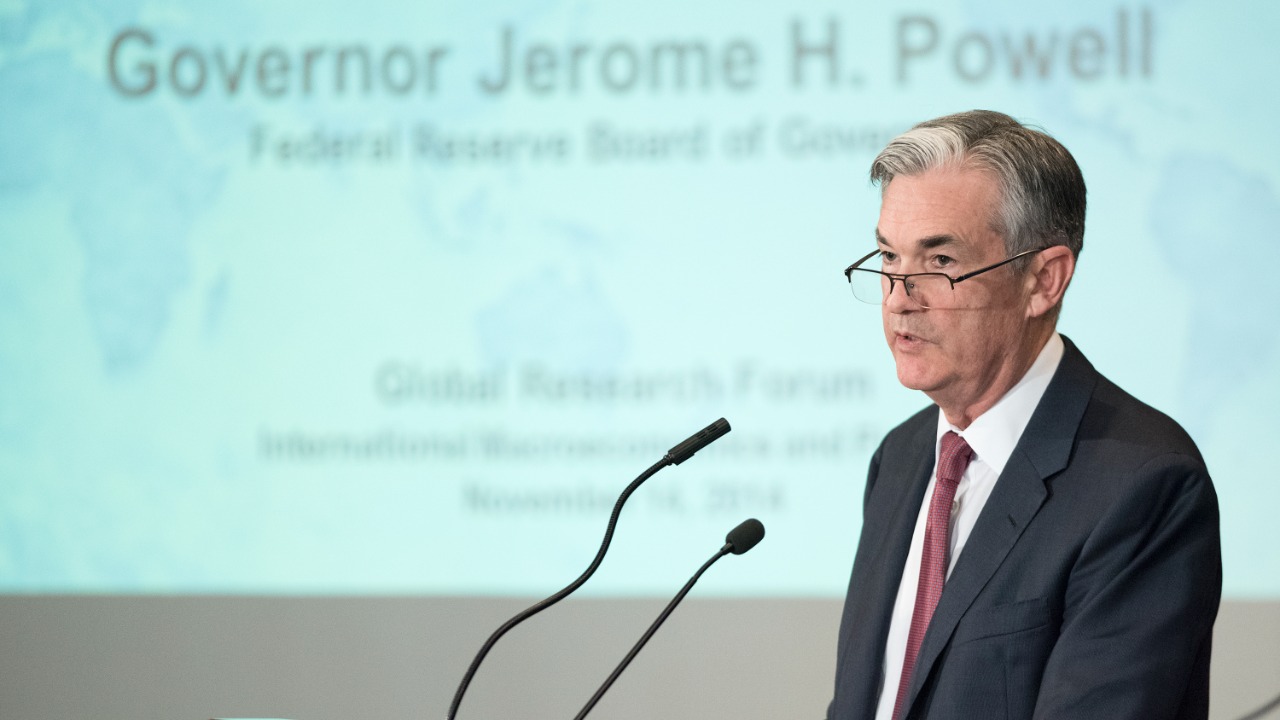
Federal Reserve Chair Jerome Powell’s recent remarks on the future of interest rate cuts have sent ripples through financial markets, highlighting a more hawkish stance that contrasts with previous expectations. Following the central bank’s decision to lower its key interest rate, Powell emphasized that further easing is “far from certain,” a statement that underscores the growing caution within the Fed amid looming economic uncertainties, including a potential government shutdown. This pivot marks a significant shift in the Federal Reserve’s outlook as of late October 2025.
The Federal Reserve’s Latest Rate Cut
The Federal Reserve announced a rate cut on October 29, 2025, as part of the Federal Open Market Committee (FOMC) meeting. This decision was aimed at bolstering the economy, which has been showing mixed signals in terms of GDP growth and job market stability. The rate cut was intended to provide a cushion against these uncertainties, particularly as the specter of a government shutdown looms large, potentially impacting economic forecasts. The move was seen as a necessary step to maintain economic momentum despite the prevailing challenges.
Market reactions to the rate cut were swift and pronounced. Stock prices experienced significant fluctuations, reflecting the uncertainty injected by the Fed’s decision. Investors, who had been anticipating a series of steady rate cuts, were jolted by the unexpected caution in Powell’s tone. This shift has led to a reevaluation of future monetary policy paths, with stakeholders now reassessing their expectations for the Fed’s next moves. The broader economic landscape, clouded by the potential shutdown, played a crucial role in shaping the Fed’s decision to proceed with the rate cut despite internal reservations.
Powell’s Hawkish Tone and Warnings
In his post-meeting speech on October 30, 2025, Jerome Powell articulated a more hawkish stance, indicating that future rate cuts are “far from certain.” This marked a departure from earlier dovish signals and altered the perception of the Fed’s easing cycle. Powell’s comments have introduced a new layer of complexity to the monetary policy outlook, as stakeholders grapple with the implications of a potentially more restrained approach to rate adjustments.
Powell’s specific warning regarding December policy decisions further emphasized the Fed’s cautious approach. His rhetoric suggested a hardening stance on additional policy moves, which has clouded the path for near-term rate adjustments. The markets reacted sharply to Powell’s overall hawkish tone, with stock market sentiment and bond yields reflecting the recalibrated expectations. Traders are now reassessing the Fed’s trajectory, considering the potential for a more conservative approach to future rate cuts.
Emerging Divisions Among Fed Policymakers
Powell’s comments have exposed growing divisions within the Federal Reserve, as some officials advocate for more aggressive cuts while others urge restraint based on inflation and employment data. These internal splits were highlighted in recent analyses, particularly concerning December policy deliberations, which reveal evolving debates within the FOMC. The divisions underscore a departure from the consensus-driven decisions that have characterized the Fed’s approach in the past.
The implications of these divisions are significant for stakeholders, as they signal potential delays in future easing amid ongoing economic uncertainties. The lack of a unified stance within the Fed could lead to increased volatility in financial markets, as investors navigate the complexities of a less predictable monetary policy environment. This internal discord reflects the broader challenges facing the Fed as it seeks to balance economic support with caution in an uncertain landscape.
For more details on Powell’s comments and the Fed’s recent actions, you can read the full reports from Axios, Market Minute, Bloomberg, KPVI, and Moneycontrol.
More From TheDailyOverview
- Dave Ramsey warns to stop 401(k) contributions
- 11 night jobs you can do from home (not exciting but steady)
- Small U.S. cities ready to boom next
- 19 things boomers should never sell no matter what

Grant Mercer covers market dynamics, business trends, and the economic forces driving growth across industries. His analysis connects macro movements with real-world implications for investors, entrepreneurs, and professionals. Through his work at The Daily Overview, Grant helps readers understand how markets function and where opportunities may emerge.

