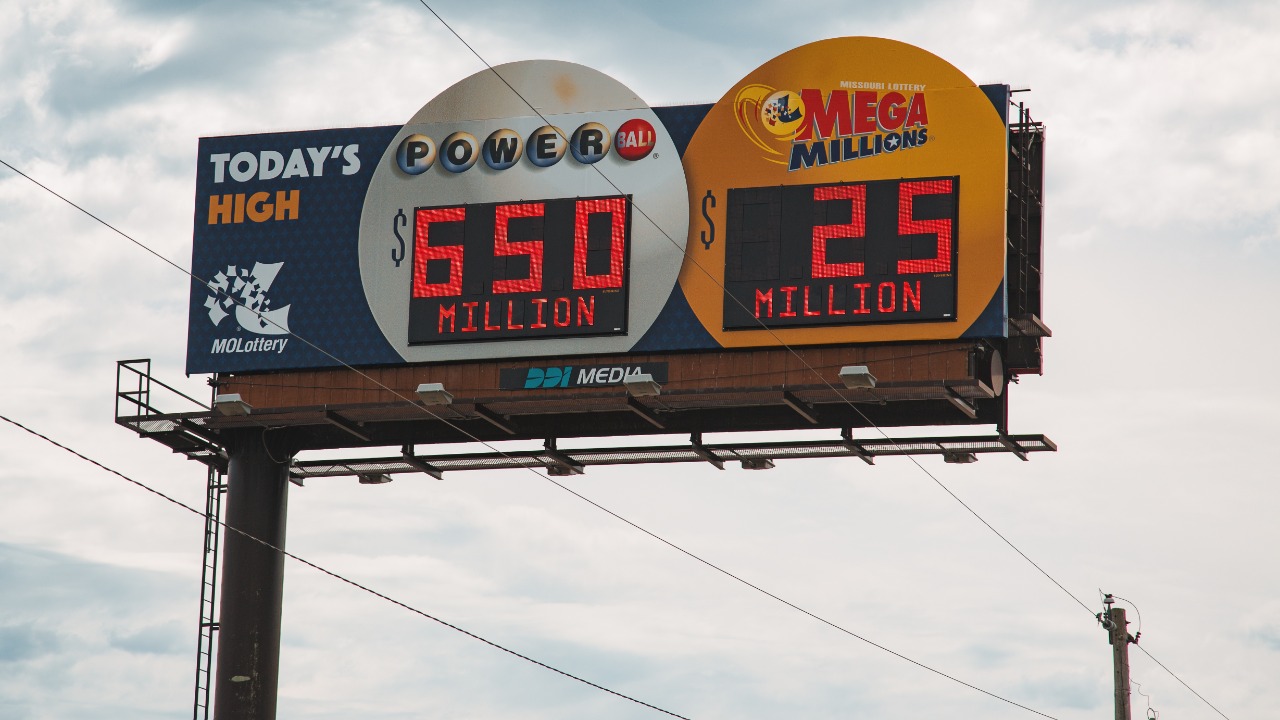
The headline number on a record lottery drawing is designed to dazzle, but it does not reflect what a winner can actually spend. A $1.6 billion Powerball jackpot sounds like instant billionaire status, yet once the fine print, tax rules, and payout structure kick in, the real haul falls far short of that psychological milestone. The fantasy is still life changing, but the math is far less magical than the billboard suggests.
The seductive headline number vs. reality
When people hear that the Powerball jackpot has climbed to $1.6 billion, they instinctively picture a bank account with twelve digits and a lifetime of private jets. In practice, that headline figure is a marketing number, not a cash balance. It represents the total of decades of future payments, before federal and state governments take their cut, and before the winner makes a crucial choice between a long stream of checks and a much smaller lump sum.
The current drawing illustrates that gap clearly. An estimated $1.6 billion is up for grabs in Monday’s Powerball draw, but the advertised pot is based on an annuity that stretches over 30 years, not a single wire transfer landing in your account today, as lottery officials explained when they promoted the latest $1.6 billion prize. That distinction is the first reason a winner will not actually become a billionaire overnight, even if their ticket hits every number.
How the jackpot is built up over time
The size of the pot also reflects how long the game has gone without a winner, not just how generous the lottery is feeling. In this case, the jackpot swelled after 45 consecutive drawings with no one matching all the numbers, a streak that pushed the prize pool to $1.6 billion ahead of Monday night’s drawing. That long run of rollovers is what creates the eye-popping headline, but it does not change the underlying payout mechanics that determine what a single winner can actually collect.
Those mechanics are straightforward but often misunderstood. To win the jackpot, a ticketholder must match all six numbers on their ticket, after which they choose between an annuity and a lump sum, with both options subject to federal and state taxes when they file their 2025 return, as detailed in the breakdown of After 45 drawings. The fact that the jackpot is the game’s fourth largest ever does not change the basic reality that the advertised total is a theoretical maximum spread over decades, not a single billionaire-making payday.
Lump sum vs. annuity: the first big haircut
The first major reason the winner will not be a billionaire is the choice between cash now and payments later. The annuity option promises the full $1.60 billion over time, but the lump sum is significantly smaller because it reflects the present value of those future payments. In other words, the lottery invests the jackpot pool and uses the returns to fund the annuity, so if you want your money up front, you receive only the amount needed today to generate the promised stream, not the full advertised total.
Recent estimates show just how steep that initial haircut can be. If a player wins the jackpot, they can choose between an annuitized prize of $1.60 billion and a lump-sum payment that is hundreds of millions of dollars lower before taxes, according to the official explanation of $1.60 billion payouts. That means the winner starts their journey to supposed billionaire status by giving up a large slice of the headline figure simply for choosing the more popular cash option.
Federal taxes: the IRS takes its share first
Even before a winner can think about buying a mansion or paying off relatives’ mortgages, the federal government steps in. Lottery winnings are treated as ordinary income, and the Internal Revenue Service requires an automatic withholding on large prizes. That upfront bite is only a starting point, because the final tax bill depends on the winner’s total income and where they fall in the top brackets once the jackpot is added to everything else they earn in that year.
Tax experts note that the IRS requires 24% of gambling income to be withheld immediately, but the ultimate federal rate can climb higher depending on where the winner lands in the tax tables, as explained in guidance on lottery & gambling income. A separate calculator for big jackpots underscores the point, noting that the federal withholding rate for gambling income is 24% and that top federal income tax brackets can push the effective rate higher by the time a winner files their return, as laid out in the discussion of How Much Are Lottery Winnings Taxed. Once those federal obligations are met, the once-massive jackpot has already shrunk dramatically.
State taxes: where you live can make or break the payout
On top of federal rules, state tax policy can further erode the prize or, in a few cases, leave it untouched. Some states treat lottery winnings like any other income and apply their full tax rate, while others have no income tax at all or carve out special treatment for gambling windfalls. That patchwork means two people with identical winning tickets can walk away with very different net fortunes depending solely on their home address.
In a handful of states, however, a winner who opts for the less common annuity payout could eventually receive more than $1 billion after taxes, highlighting how local rules and the choice of payout structure interact to shape the final number, according to an analysis of where you’d actually get 1B. Other states, such as Tennessee, do not tax lottery winnings at all, meaning players there only face federal obligations on a giant jackpot, as explained in a guide that answers the question Does Tennessee tax lottery winnings. The result is a map of winners whose net worths can differ by hundreds of millions of dollars even before they make a single spending decision.
Why even the annuity rarely tops $1 billion in hand
At first glance, the annuity seems like the only path to true billionaire territory, since it promises the full $1.6 billion over time. Yet once taxes and the structure of those payments are factored in, the total amount a winner actually receives, even over three decades, often falls short of a billion dollars in after tax, inflation adjusted terms. Each annual check is taxed as income in the year it is received, and the real value of those payments erodes as prices rise.
Some state by state breakdowns show that only in the most favorable jurisdictions, with no state income tax and a winner who chooses the annuity, does the cumulative after tax total approach or slightly exceed $1 billion, and even then it is spread over 30 years rather than sitting in a single account on day one, as highlighted in the interactive estimates of To win the jackpot. For most winners, the combination of federal brackets, state levies, and the time value of money means that the annuity delivers a very comfortable fortune, but not the kind of consolidated billionaire wealth that headlines imply.
The lump sum example: how fast $1.6B shrinks
The more popular lump sum option provides an even clearer illustration of why the winner will not be a billionaire. Once the annuity is converted into a present value cash payment, the jackpot shrinks sharply, and then federal withholding takes another immediate slice. By the time the winner sees a number on a bank statement, the figure can be closer to what a mid sized tech founder might net from a sale than to the fortune of a global tycoon.
One recent estimate showed that after picking the lump sum, the winner would face a 24% federal withholding tax that would bring the prize down to roughly $58 million per $250 million of pre tax cash value, a ratio that scales up as the jackpot grows and illustrates how quickly the government’s share adds up, according to a detailed breakdown of what happens After picking the lump sum. When that math is applied to a $1.6 billion headline jackpot, the combination of the reduced cash option and layered taxes leaves the winner with a fortune that is enormous by any normal standard, but still well below the billion dollar mark.
The psychological trap of “billionaire” branding
Part of the disconnect comes from the way people process big numbers. The word “billionaire” evokes a specific image shaped by tech moguls, hedge fund founders, and heirs to industrial fortunes, individuals whose wealth is typically tied up in appreciating assets, diversified portfolios, and controlling stakes in companies. A lottery winner, by contrast, receives a finite pot of cash that immediately starts shrinking as it is taxed, spent, and, in some cases, poorly managed.
That gap between perception and reality is captured in a viral breakdown that opens with the line, “You just won the big $1.6 billion Powerball jackpot and you’re feeling like, well, a billion bucks,” before walking through how it all breaks down into much smaller, taxed installments, as laid out in the social media explainer that begins with You just won. The message is simple but sobering: the branding of the jackpot as a billionaire maker is more about hype than about the kind of enduring, compounding wealth that defines the ultra rich.
What a winner can realistically expect
None of this is meant to minimize how transformative a winning ticket can be. Even after the lump sum haircut, federal withholding, and any state income tax, the remaining amount is enough to buy multiple homes, pay for generations of college tuition, and fund a comfortable life without traditional work. The key is recognizing that the prize is a very large, but ultimately finite, pool of money that needs to be managed thoughtfully rather than treated as an inexhaustible billionaire bankroll.
Lottery officials themselves emphasize that an estimated $1.6 billion is up for grabs in Monday’s Powerball draw, but they also spell out that the actual cash value and after tax take home pay are far lower once all payments are completed and obligations met, as noted in the official description of the current Powerball jackpot. For anyone lucky enough to beat the odds, the smartest move is to see the windfall not as instant billionaire status, but as a rare chance to build lasting security within the real, much smaller number that shows up after the math is done.
More From TheDailyOverview

Cole Whitaker focuses on the fundamentals of money management, helping readers make smarter decisions around income, spending, saving, and long-term financial stability. His writing emphasizes clarity, discipline, and practical systems that work in real life. At The Daily Overview, Cole breaks down personal finance topics into straightforward guidance readers can apply immediately.
