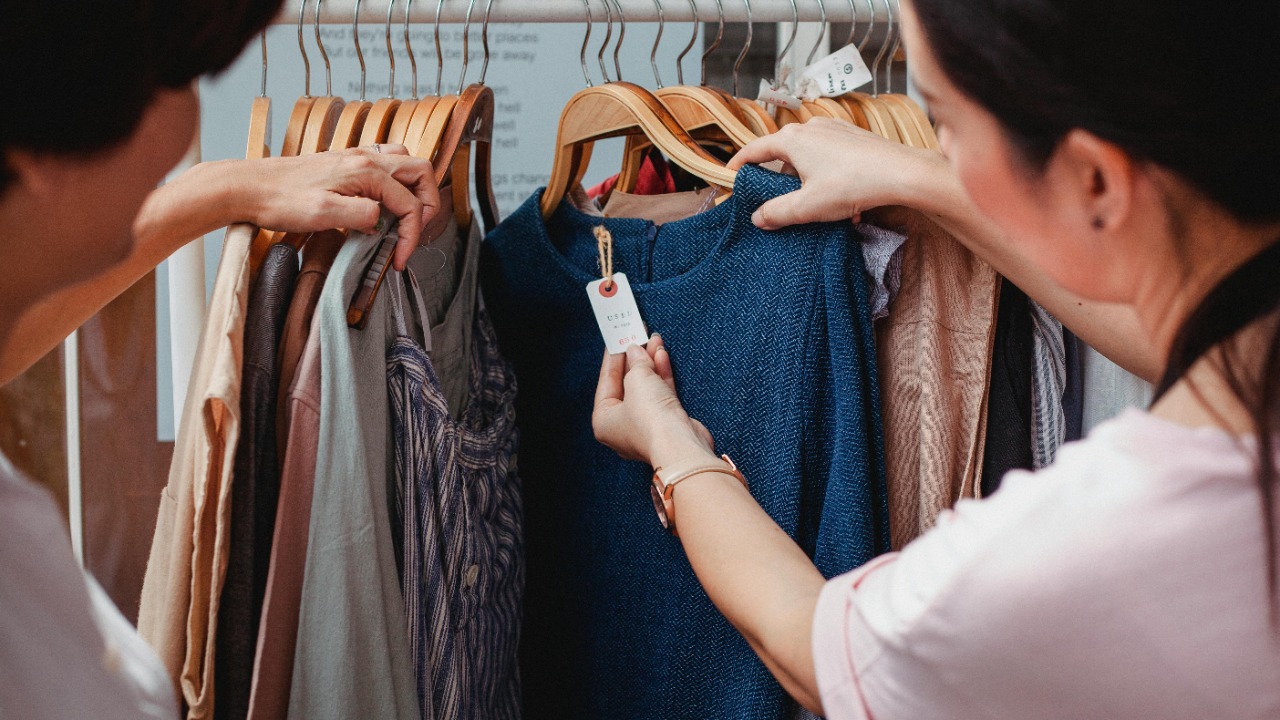
Companies across the consumer goods sector are raising prices after holding the line through the holiday shopping season, and the latest inflation data suggests the effects are already showing up in official measurements. The January 2026 Consumer Price Index report confirmed that price growth accelerated from where it stood at the close of 2024, adding pressure to household budgets just as post-holiday spending patterns shift. The convergence of tariff exposure, rising labor expenses, and climbing healthcare costs has created a cost environment that many firms say they can no longer absorb.
Inflation Ticks Higher as Holiday Restraint Fades
The January CPI release for 2026 showed that inflation had risen from 2.7 percent in December, interrupting the sense of stability that had taken hold late in 2024. Chairman Arrington’s statement on the report underscored how the upward move arrives just as many consumers had grown accustomed to slower price growth after the pandemic-era spikes. The timing matters because it coincides precisely with the window in which major brands have begun passing along cost increases they delayed during the fourth quarter, meaning the official data is now catching up to decisions that were taking shape behind the scenes.
For much of the second half of 2025, large consumer-facing companies exercised restraint on sticker prices, partly to protect holiday sales volumes and partly because input costs had briefly stabilized. That restraint appears to have ended. Economist commentary cited in reporting on the trend noted that January price increases looked stronger than seasonal patterns would normally explain, particularly for durable goods that usually see markdowns after the holidays. The distinction between seasonal adjustment noise and genuine cost pass-through is significant: if companies are front-loading price hikes in early 2026, the cumulative effect on household spending could compound through the spring, leaving families with less room to maneuver as other recurring expenses, such as rents, insurance premiums, and loan payments, also reset.
Who Is Raising Prices and Why
Three well-known brands illustrate the breadth of the current wave. Reporting on recent corporate moves highlights that Levi Strauss, McCormick, and Columbia Sportswear are all raising prices, spanning apparel, food ingredients, and outdoor gear. The fact that these increases cut across unrelated product categories signals that the pressure is not confined to a single supply chain or commodity. Instead, it reflects a set of shared cost drivers that affect nearly every company selling physical goods in the United States, from mass-market retailers to niche specialty brands that depend on the same global networks for materials and manufacturing.
Those shared drivers include higher tariffs, rising labor costs, and increasing health-insurance expenses, according to coverage that ties together the post-holiday pricing shift. Tariffs in particular have become a recurring theme in corporate earnings calls and pricing announcements, functioning as a direct tax on imported materials that companies eventually pass to buyers. Healthcare costs, meanwhile, tend to hit companies on an annual renewal cycle, which often resets in January or February, giving firms a natural trigger point to adjust retail prices. The combination means consumers face a one-two punch: goods that rely on imported inputs get more expensive because of trade policy, while goods produced domestically get more expensive because of labor and benefits inflation. This leaves few corners of the store untouched.
The Limits of the “Absorb the Cost” Argument
A common response to corporate price increases is the suggestion that companies should simply absorb higher input costs rather than passing them along. That argument carries some weight in sectors where profit margins have expanded significantly over the past few years and where firms have rewarded shareholders with buybacks and dividends. But it oversimplifies how pricing decisions actually work for companies like McCormick or Columbia Sportswear, which operate in competitive categories with thin margins on individual products. When tariffs raise the landed cost of raw spices or synthetic fabrics by a meaningful percentage, the math on absorption changes quickly, particularly for items that already sell at price points consumers perceive as high.
The more interesting question is whether the current round of increases reflects genuine cost pressure or opportunistic margin expansion disguised as necessity. Evidence that tariffs, wages, and insurance premiums are rising gives companies a credible rationale, and those inputs are verifiable in financial disclosures and industry surveys. But the absence of granular public data breaking down exactly how much of each price increase maps to a specific cost driver leaves room for skepticism. Companies rarely disclose the precise arithmetic behind a price hike, which means consumers and analysts alike are left to infer whether a 5 percent retail increase on a pair of jeans reflects a 5 percent rise in production costs or something closer to 3 percent with a margin bump built in. Until firms provide that transparency, the “we had no choice” framing will face justified pushback from shoppers and policymakers who see corporate profits holding up even as household budgets strain.
What Stronger-Than-Seasonal Increases Mean for Shoppers
The observation that January price increases looked stronger than seasonal for some durable goods carries a practical warning for consumers. Seasonal pricing patterns are well established in retail: prices tend to dip in January as stores clear holiday inventory, then gradually climb through spring as new collections arrive and demand normalizes. When increases outpace that normal rhythm, it suggests that structural cost pressures are overriding the usual discounting cycle. For shoppers, this means the post-holiday bargain window may have been shorter and shallower than in recent years, with fewer deep discounts on staples like jeans, winter coats, and kitchenware that many households traditionally buy on sale.
Household budgets feel these shifts unevenly. Families spending a larger share of income on food, clothing, and basic consumer goods face a proportionally bigger hit when companies like McCormick and Levi Strauss adjust prices upward. A spice rack restocking or a new pair of work jeans represents a small line item for higher-income households but a meaningful one for families already stretched by rent and utilities. The CPI figure moving up from 2.7 percent in December captures the aggregate trend, but it smooths over the unequal distribution of price pain across income levels. Lower-income consumers are also less able to hedge against increases by buying in bulk, switching to online subscription deals, or driving to warehouse clubs, so they experience price hikes more directly at the neighborhood grocery or discount store.
Tariff Policy as a Persistent Inflation Accelerant
Among the reported drivers of the current pricing wave, tariffs stand out because they are a direct policy choice rather than a market-driven cost. Labor costs rise with tight employment markets. Healthcare premiums climb with utilization trends and insurer pricing. But tariffs are set by government action, and their inflationary effect is both predictable and, in theory, reversible. The fact that tariffs continue to function as a significant input cost for consumer goods companies means that trade policy is effectively acting as a persistent accelerant on prices, especially for categories like apparel, electronics, and certain food imports where global supply chains are deeply entrenched.
For consumers, the policy dimension matters because it shapes what levers are available to slow price growth. If a meaningful share of the cost pressures behind Levi Strauss’s jeans or McCormick’s spices stems from tariff schedules, then changes in trade policy could, over time, relieve some of the upward pressure on shelves. Conversely, if tariffs remain in place or expand, businesses will likely keep building those charges into their pricing models, normalizing higher price levels even if other inputs stabilize. In that scenario, the January 2026 CPI uptick may be less a blip than a signal that inflation is settling at a slightly higher plateau (one that reflects not just market forces but also deliberate policy choices that filter straight into everyday shopping carts).
More From The Daily Overview
*This article was researched with the help of AI, with human editors creating the final content.

Silas Redman writes about the structure of modern banking, financial regulations, and the rules that govern money movement. His work examines how institutions, policies, and compliance frameworks affect individuals and businesses alike. At The Daily Overview, Silas aims to help readers better understand the systems operating behind everyday financial decisions.

