Prices on everyday staples have climbed so sharply that a 35% jump on some basics no longer sounds like a shock, it sounds familiar. From milk and cereal to rent and medical bills, the cost of getting through an ordinary week has been reset higher, and the new “normal” is straining household budgets that have not kept pace. I want to unpack what is actually driving those increases, and why they are proving so stubborn even as headline inflation cools.
Behind the sticker shock is a mix of forces that reach from global supply chains to local grocery aisles, with food, housing, health care and services all playing outsized roles. Some of the pressure reflects genuine cost spikes, some reflects corporate pricing strategy, and some reflects policy choices that are still working their way through the economy. Understanding those layers is the first step toward making sense of why basics feel 35% more expensive, and what might finally bring some relief.
The inflation picture: slower overall, still painful on essentials
On paper, inflation looks far less alarming than it did during the worst of the pandemic era, yet that improvement has not translated into relief on the items people buy most often. The Consumer Price Index, or Consumer Price Index, shows that overall price growth has cooled, but the categories that dominate household budgets are still climbing. In August, the CPI rose 2.9% on an annual basis, a rate that would normally be considered manageable, yet families feel squeezed because the slowdown is concentrated in goods like home electronics and sporting goods rather than in groceries or rent.
When I look at the detailed breakdown, the story becomes clearer. From September 2024 to September 2025, the biggest drivers of inflation were housing and medical care, with additional pressure from food and other services, according to data summarized under the question What are the biggest drivers of inflation in the past year. That means the essentials that are hardest to cut back on are exactly where prices are rising fastest. Even within food, some categories are still accelerating: the index for nonalcoholic beverages rose 5.3 percent over a recent 12 month span, and other food at home categories also climbed, which helps explain why a typical grocery cart feels dramatically more expensive than it did just a couple of years ago.
Why groceries feel 35% higher: food shocks, not just tariffs
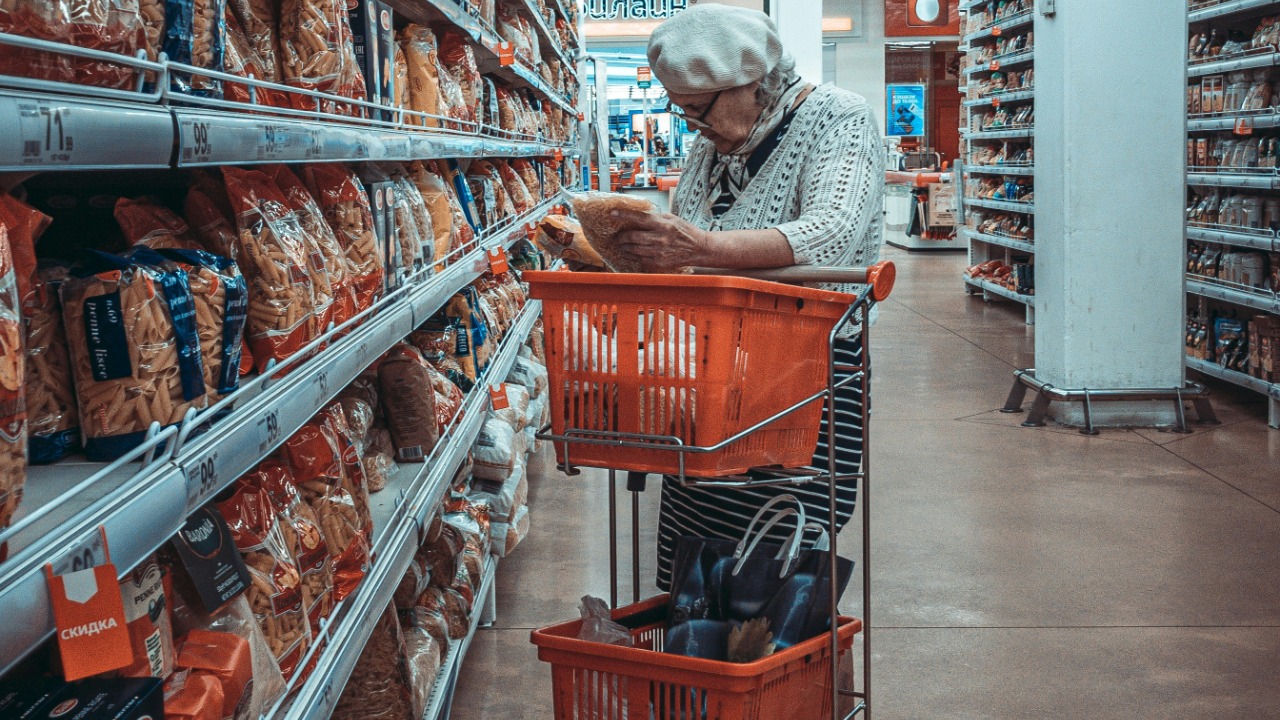
Nowhere is the disconnect between headline inflation and lived experience more obvious than in the supermarket aisle. Shoppers are confronting higher bills even as they trade down to store brands and smaller packages, and many describe their weekly total as roughly a third higher than before the pandemic. Reporting on grocery trends notes that prices are rising at the fastest pace since 2022, with bad weather, worker shortages and other disruptions pushing up the cost of staples, a pattern captured in coverage of how Grocery prices are rising at the fastest pace since 2022. That kind of sustained increase, layered on top of earlier jumps, is how you get to a cumulative 30% to 35% surge on basics like eggs, bread and meat.
It is tempting to pin those increases on tariffs alone, especially as new trade measures dominate political debate, but the data points in a more complicated direction. An analysis titled Tariffs Are Not Causing Inflation argues that the main drivers of recent price increases have been housing, services and food supply shocks, not tariffs, and that the August CPI data does not support the idea that trade policy is the primary culprit. Another deep dive into food costs underscores that no single factor can explain why Food is so much more expensive now than before the pandemic, pointing instead to a mix of extreme weather, higher input costs, labor shortages and supply chain disruptions, including for products supplied by foreign trade partners. That mosaic of pressures, rather than one policy lever, is what is pushing grocery totals into that 35% territory.
From farm to shelf: supply chains, freight and corporate strategy
Even when crops are plentiful, getting food from farms to store shelves has become more complicated and, in some cases, more expensive. I see that in the freight sector, where trucking companies are navigating what has been described as a “Great Freight Recession” with a three year slump in trucking volumes and rates. One industry analysis notes that Another wildcard has been trade policy, which dealt the industry a late blow in this cycle as new rules and tariffs reshaped shipping patterns. That kind of volatility can raise costs for certain routes and products even when overall freight demand is weak, and those costs tend to be passed along in the form of higher prices on store shelves.
Beyond freight, broader supply chain disruptions are still rippling through the economy. A detailed look at inflation in 2025 highlights Let us see how Supply Chain Disruptions, energy prices and global demand have combined to push up costs across sectors, from raw materials to finished goods. At the same time, companies are not just reacting to higher costs, they are making deliberate pricing choices. A report on Pricing Trends 2025: Winning in a Market That Has Had Enough notes that pricing decisions in 2025 are increasingly strategic, with firms seeking to protect margins and justify premium pricing even as consumers push back. When supply chain shocks collide with a corporate focus on “pricing power,” the result is that temporary disruptions can harden into permanently higher price tags.
Services, housing and health care: the silent budget killers
While groceries grab attention because they are so visible, the less dramatic but relentless rise in services, housing and health care is quietly eating up even more of the typical paycheck. Recent economic reviews of August data point out that inflation has edged up as service costs rise, with the Weekly Economic Review highlighting how services, rather than goods, are now the main source of upward pressure. That shift matters because services like rent, child care, car insurance and medical visits are hard to substitute or skip, so even modest percentage increases translate into big hits for household budgets.
The data on inflation drivers reinforces that story. From September 2024 to September 2025, housing and medical care were the largest contributors to overall inflation, according to the breakdown under the question From September 2024 to September 2025, which also notes the role of other goods and services. When rent renewals jump by hundreds of dollars a month and health insurance premiums climb at double digit rates, families feel as if everything is 35% more expensive even if some individual line items are rising more slowly. Those “silent” categories help explain why the overall inflation rate can be under 3% while the lived experience of inflation feels far worse.
Politics, promises and the reality at the checkout
Layered on top of these economic forces is a political narrative that often oversimplifies what is happening to prices. President Donald Trump came into office promising to bring down the cost of living, yet reporting on grocery bills finds that, Despite Trump‘s promise to lower prices, the overall cost of groceries is higher now than when he was sworn in. That gap between rhetoric and reality has fueled frustration among shoppers who see little sign of relief when they tap their debit cards at the end of a supermarket run.
At the same time, consumer advocates and data analysts are trying to quantify just how much more people are paying. One detailed explainer on grocery costs notes that prices are up roughly 39 percent compared with before the pandemic, according to CPI statistics cited by reporter Betty Lin Fisher of USA TODAY, a figure that lines up with what many households describe as a roughly one third jump in their weekly food bill. When I put that number alongside the broader CPI reading of 2.9%, it underscores how averages can mask the pain in specific categories. For families trying to stretch paychecks across rent, groceries, gas and medical costs, the math feels less like a gentle cooling of inflation and more like a permanent reset to a world where basics cost 35% more than they used to.
More From TheDailyOverview

Grant Mercer covers market dynamics, business trends, and the economic forces driving growth across industries. His analysis connects macro movements with real-world implications for investors, entrepreneurs, and professionals. Through his work at The Daily Overview, Grant helps readers understand how markets function and where opportunities may emerge.

