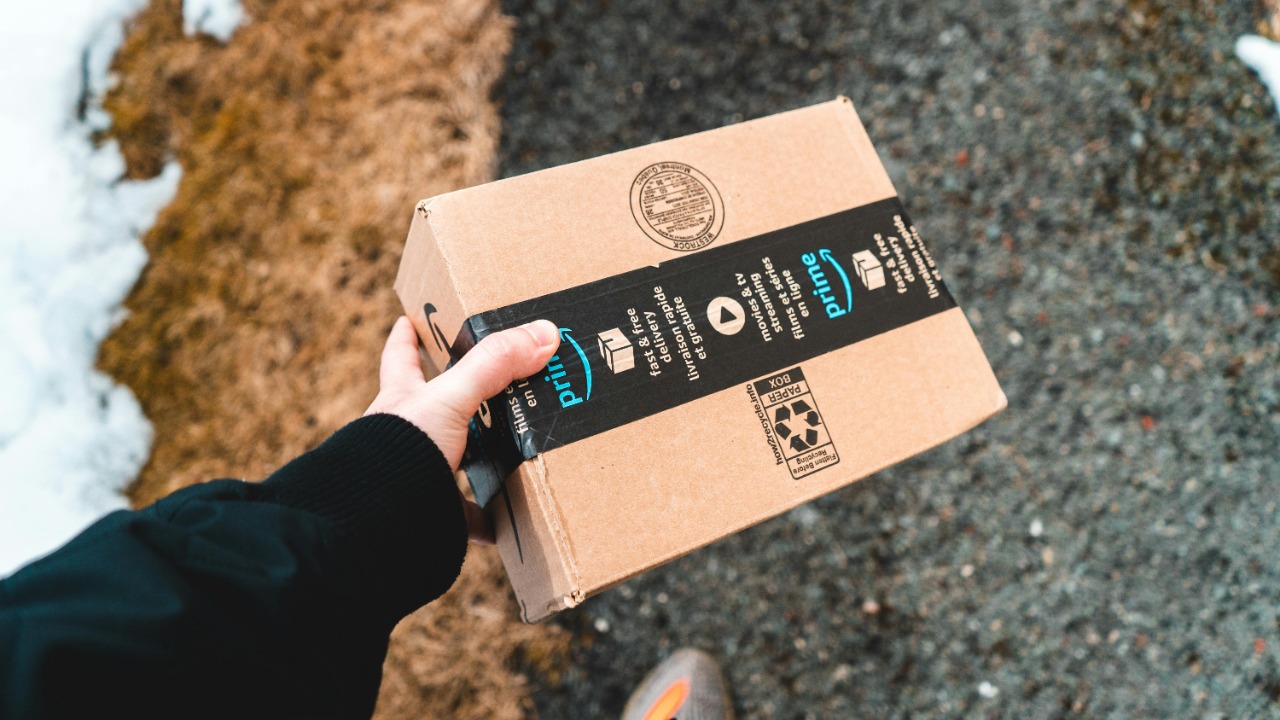
Amazon is quietly rewriting what a Prime membership means, tightening who gets free shipping while racing to make deliveries faster and more local. The result is a program that is less about sharing perks with distant friends and more about building a dense, always-on logistics network wrapped around individual households. I see a clear tradeoff emerging: fewer loopholes on membership, but more speed, more groceries, and more ways to keep spending inside Amazon’s ecosystem.
Prime’s evolution has always been about convenience, yet the latest changes mark a sharper pivot toward high-intensity users who live within Amazon’s growing delivery footprint. As shared shipping benefits wind down and new family and grocery options ramp up, the value of Prime is shifting from “split it with a buddy” to “build your life around it.”
Prime’s new direction: faster for some, stricter for everyone
The most striking pattern in Amazon’s recent moves is how aggressively it is reshaping Prime around speed and household-level loyalty rather than casual sharing. On one side, the company is pouring resources into same-day and next-day delivery, particularly in places that used to be afterthoughts in e-commerce logistics. On the other, it is closing long-standing loopholes that let people outside a member’s home tap into free shipping, signaling that the era of loosely shared Prime perks is ending.
Earlier this year, Amazon highlighted a nationwide push to expand rapid shipping, describing how Amazon Changing Prime Delivery Nationwide would bring same-day and next-day options to more customers across the United States. At nearly the same time, the company began dismantling the Prime Invitee structure that had allowed members to extend free shipping to others, a shift detailed in multiple reports on the end of the Prime Invitee program. Taken together, these changes point to a Prime that is more tightly controlled but also more deeply embedded in everyday shopping.
Same-day and next-day go national, not just urban
For years, ultra-fast delivery was a big-city privilege, but Amazon is now pushing that model into smaller markets as a core part of Prime’s identity. The company described how, on Jun 23, 2025, it framed Amazon Changing Prime Delivery Nationwide as a broad expansion of same-day and next-day service, positioning rapid shipping as the default expectation rather than a premium perk. That shift matters because it turns speed into a baseline promise for Prime members, not just a nice-to-have in select ZIP codes.
The rural buildout is especially notable. On Jun 22, 2025, Amazon detailed how it was bringing faster Prime delivery speeds to thousands of smaller cities, towns, and rural communities, emphasizing that this expansion goes beyond speed to include more local selection and reliability. Two days later, on Jun 24, 2025, another report on Amazon Debuts Fast Prime Delivery in Smaller Cities, Towns and Rural Communities Across the U.S. underscored how this strategy is meant to pull more of the country into the same rapid-delivery orbit that big metros already enjoy. In practical terms, that means a Prime membership in a small Midwestern town is starting to look a lot more like one in Seattle or New York.
Groceries become a centerpiece of the Prime promise
Speed is only half the story; what Amazon is delivering just as quickly is changing too, with groceries moving to the center of the Prime value proposition. Earlier this year, the company said customers in more than 1,000 cities and towns can now get same-day perishable grocery delivery, with plans to double that reach by the end of 2025. That scale effectively turns Prime into a nationwide grocery service layered on top of its traditional role as a shipping subscription.
By tying fresh food to the same infrastructure that powers its rapid shipping, Amazon is making Prime harder to cancel for households that rely on weekly deliveries of milk, produce, and pantry staples. The same report on grocery delivery framed this as part of a broader effort to integrate local stores and Amazon’s own operations into a single, fast network. For members, that means the subscription is no longer just about getting a phone case in two days, it is about having a standing pipeline for essentials that shows up at the doorstep in hours.
The end of Prime Invitee: a 15-year perk disappears
While Amazon invests in speed, it is also dismantling one of Prime’s most quietly powerful benefits: the ability to share free shipping with people outside your home. Reports throughout September detailed how the company is ending a program called Prime Invitee that allowed members to extend their free shipping perks to others who did not share the same primary residence. One analysis on Sep 23, 2025, laid out Key Takeaways that made clear this was a structural change, not a minor tweak.
The shift has been building for weeks. On Sep 3, 2025, coverage of Key Points around Prime’s shipping policy changes noted that Amazon is ending its Prime Invitee Program on October 1, 2025, cutting off a path that had let members share free shipping with friends and extended family. Another report on Sep 30, 2025, described how Amazon drops prime benefit that had been available for more than 15 years, underscoring just how long this sharing model had been part of the membership’s DNA. For anyone who built their Prime strategy around splitting perks with others, that is a fundamental reset.
Cracking down on shared accounts and “Prime hookups”
Ending Prime Invitee is only one piece of a broader crackdown on informal sharing that had become part of the culture around Prime. On Sep 3, 2025, one report captured the mood with the blunt framing that Amazon Is Cracking Down on Shared Prime Accounts and explained How This Changes Free Shipping. The message was clear: the “Prime hookup” that let a best pal ride on someone else’s membership is closing soon, and Amazon wants each household to carry its own subscription.
Another detailed breakdown on Sep 1, 2025, explained that Starting October 1st, Prime members can no longer share their free shipping benefits outside their home, ending a long-standing practice of linking accounts across different addresses. Combined with the formal end of the Prime Invitee structure, these changes signal that Amazon is tightening the circle around who qualifies for free shipping under a single membership. In practical terms, that means more people who once relied on a friend’s or relative’s account will now face a choice: pay for their own Prime, or lose the fast, free delivery they have grown used to.
Amazon Family: the new official way to share
As Amazon shuts down informal sharing, it is steering members toward a more controlled alternative built around households and caregiving. Reports on Sep 2, 2025, described how, from October 1, the company will phase out its Prime Invitee Program and replace it with Prime Invitee Program and Amazon Fami, a shift that reorients sharing around family structures rather than loose networks of friends. The emphasis is on people who actually live together or share caregiving responsibilities, not distant contacts looking for a discount.
On Sep 28, 2025, another report framed the transition in practical terms, noting that those who want to keep sharing Prime shipping perks will need to look at Amazon’s replacement for the program and that According to Amazon, the new structure may offer more flexibility for households with children than before with Amazon Family. The company’s own page for Amazon Family positions it as a way to tailor benefits and recommendations to families, reinforcing the idea that Prime sharing is now meant to stay inside the home. For members, that means the path to sharing still exists, but it is narrower and more explicitly defined.
What ending shared shipping means for everyday budgets
For many households, the end of broad sharing is not an abstract policy change, it is a line item in the monthly budget. People who once split a single membership across multiple addresses will now have to decide whether the combination of faster delivery, grocery access, and streaming justifies paying full price on their own. On Sep 3, 2025, coverage of the Prime Invitee Program changes highlighted that the October 1, 2025 cutoff would force exactly that kind of recalculation for anyone who had been riding on someone else’s account.
Another analysis on Sep 30, 2025, emphasized that the benefit Amazon is dropping had been available for more than 15 years, meaning entire college friend groups, extended families, and roommate circles built their shopping habits around it, as detailed in the report that quoted an Editor’s note with Amazon’s statement. When a perk has been around that long, it feels less like a bonus and more like a right, so its removal can feel like a price hike even if the subscription fee stays the same. I expect some casual users to walk away, but for heavy shoppers who now rely on same-day groceries and rural next-day delivery, the math may still favor staying in.
How Amazon is nudging members toward higher-value habits
Viewed together, the delivery expansion and sharing crackdown look less like separate stories and more like a coordinated strategy to reshape how Prime members behave. By making same-day and next-day shipping available in more places, including the thousands of smaller cities and rural communities highlighted in the Jun 22, 2025 update on rural and small-town America, Amazon is giving members more reasons to consolidate their shopping on its platform. At the same time, by ending Prime Invitee and limiting free shipping to people in the same home, it is nudging each household to maintain its own subscription rather than sharing one across multiple addresses.
The grocery buildout reinforces that push. When customers in more than 1,000 cities and towns can get same-day perishable delivery, Prime starts to look less like a discretionary streaming bundle and more like a utility. Add in the curated storefronts that surface fast-shipping items, such as Amazon’s SSD storefront that highlights storage devices eligible for quick delivery, and the pattern is clear: the company is using speed, selection, and personalization to keep members locked into high-frequency, high-value habits that justify paying for their own account.
What savvy Prime members should do next
For anyone who relies on Prime, the smartest move now is to treat these changes as a prompt to audit how the membership fits into daily life. If you have been using a friend’s account, the end of shared shipping outside your home, detailed in the Sep 1, 2025 report on Amazon ending that benefit, means you will need to decide whether the combination of faster delivery, grocery access, and streaming is worth the full subscription price. If you are the primary account holder, it is worth mapping who in your household actually uses Prime and whether shifting them into an official family structure could preserve some sharing while staying within Amazon’s new rules.
It is also a good moment to lean into the benefits that are expanding rather than shrinking. If you live in one of the smaller cities, towns, or rural communities that now qualify for faster shipping, as described in the Jun 24, 2025 coverage of Smaller Cities, Towns and Rural Communities Across the U.S., it may make sense to shift more routine purchases to Amazon to get full value from the membership you are now more likely to pay for alone. And if you have children or dependents, exploring the structure and perks of Amazon Family can help you rebuild some of the sharing flexibility that Prime Invitee once offered, just within the tighter boundaries Amazon now enforces.
More From TheDailyOverview
- Dave Ramsey says these two simple questions show whether you’re rich or poor
- Retired But Want To Work? Try These 18 Jobs for Seniors That Pay Weekly
- IRS raises capital gains thresholds for 2026 and what’s new
- 12 ways to make $5,000 fast that actually work

Grant Mercer covers market dynamics, business trends, and the economic forces driving growth across industries. His analysis connects macro movements with real-world implications for investors, entrepreneurs, and professionals. Through his work at The Daily Overview, Grant helps readers understand how markets function and where opportunities may emerge.

