
As a self-employed individual, proving your income can sometimes be a challenge. Whether you’re applying for a loan, renting an apartment, or managing your taxes, having a reliable method to demonstrate your earnings is crucial. Here are ten effective strategies to establish proof of income with confidence and ease.
Invoice Like a Pro

Creating professional invoices is a fundamental step in establishing proof of income. Tools like FreshBooks or QuickBooks can help you design invoices that clearly outline the services provided, the payment due, and any applicable taxes. Regularly updating and organizing your invoices not only strengthens your income records but also enhances your professional image.
Moreover, keeping a digital archive of all invoices ensures you can quickly access your financial history when needed. This practice proves invaluable for both tax purposes and when applying for credit, as it provides a clear and organized financial statement.
Leverage Bank Statements

Bank statements are a straightforward way to demonstrate your earning capacity. By consistently depositing your income into a dedicated business account, you create a clear financial trail. It’s advisable to use a bank that provides easy online access to your statements, such as Chase or Bank of America.
Regularly reviewing your statements allows you to verify that all deposits match your invoices, offering an added layer of accuracy. This practice is particularly helpful when dealing with financial institutions or during audits.
Utilize Accounting Software

Accounting software like Xero or Wave can automate many of your financial tasks, making it easier to keep track of your income and expenses. These programs often feature income reports that provide a comprehensive overview of your financial health, which can be used to prove your earnings.
Integrating accounting software into your routine not only saves time but also reduces errors in your financial reporting. This approach is especially beneficial for those with multiple income streams, as it consolidates all financial data into one accessible place.
Maintain a Detailed Ledger

A well-maintained ledger serves as a cornerstone of your financial records. By logging all transactions, including income and expenses, you create a tangible record of your business activities. Tools like Excel or Google Sheets can be used to keep your ledger organized and up-to-date.
Regular updates to your ledger ensure that all financial activities are accounted for, providing a clear picture of your earning trends. This practice is essential for both internal reviews and external audits.
Seek Client Confirmation Letters

Requesting confirmation letters from clients can serve as additional proof of income. These letters typically include details of the work performed, the payment amount, and the date received. A simple email template can streamline this process.
These letters not only validate the invoices issued but also reinforce your professional relationships. They can be particularly useful when proving income to landlords or lenders who require a more formal verification.
Embrace Digital Payment Platforms

Using digital payment platforms like PayPal or Stripe provides a clear record of your income transactions. These platforms offer detailed transaction histories and monthly statements that can be used as proof of income.
Additionally, these records can be easily exported and integrated into your accounting software, ensuring that all financial data is consistent across platforms. This approach is particularly advantageous for freelancers who receive payments from multiple sources.
Compile Tax Returns
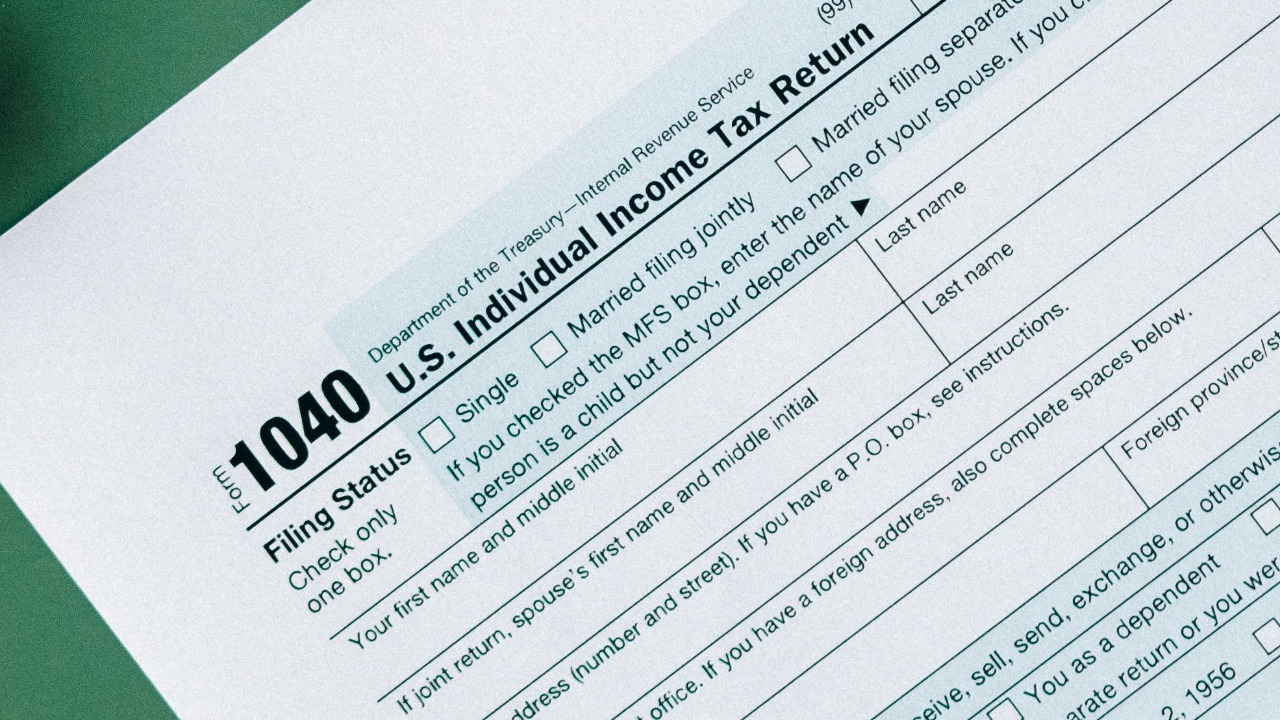
Your tax returns are a definitive proof of income and are often required by financial institutions. Keeping a copy of your returns for the past few years can help demonstrate your earning consistency and growth.
Additionally, working with a tax professional can ensure that your returns accurately reflect your income, providing you with solid documentation to support any financial applications you may pursue.
Create Profit and Loss Statements

Profit and loss statements offer a snapshot of your business’s financial performance over a specific period. These statements are crucial for understanding your net income and can be created using accounting software or manually in a spreadsheet.
Having a series of these statements can demonstrate your business’s financial stability and growth potential. They are particularly useful during negotiations for loans or other financial agreements.
Use a Third-Party Verification Service

Third-party verification services like The Work Number or Certree can provide an unbiased confirmation of your income. These services collect data from various sources to verify your earnings, offering a reliable proof of income that is often accepted by banks and landlords.
These services can be especially beneficial if you’re dealing with organizations that require a more formal income verification process. Utilizing a third-party service adds an extra layer of credibility to your financial records.
Develop a Portfolio of Contracts

Having a portfolio of client contracts showcases your professional commitments and expected income. These documents spell out the terms of your agreements, including payment schedules and amounts, providing a clear forecast of your earnings.
Regularly updating this portfolio not only helps in tracking your income but also serves as a testament to your business’s reliability and growth. It’s an effective tool when negotiating new projects or applying for credit.
For more detailed insights on proving self-employment income, check out this comprehensive guide. If you’re interested in understanding the psychological aspects of self-employment and financial management, this research article offers valuable perspectives. Additionally, explore how financial fraud impacts unemployment through this detailed report.

Cole Whitaker focuses on the fundamentals of money management, helping readers make smarter decisions around income, spending, saving, and long-term financial stability. His writing emphasizes clarity, discipline, and practical systems that work in real life. At The Daily Overview, Cole breaks down personal finance topics into straightforward guidance readers can apply immediately.