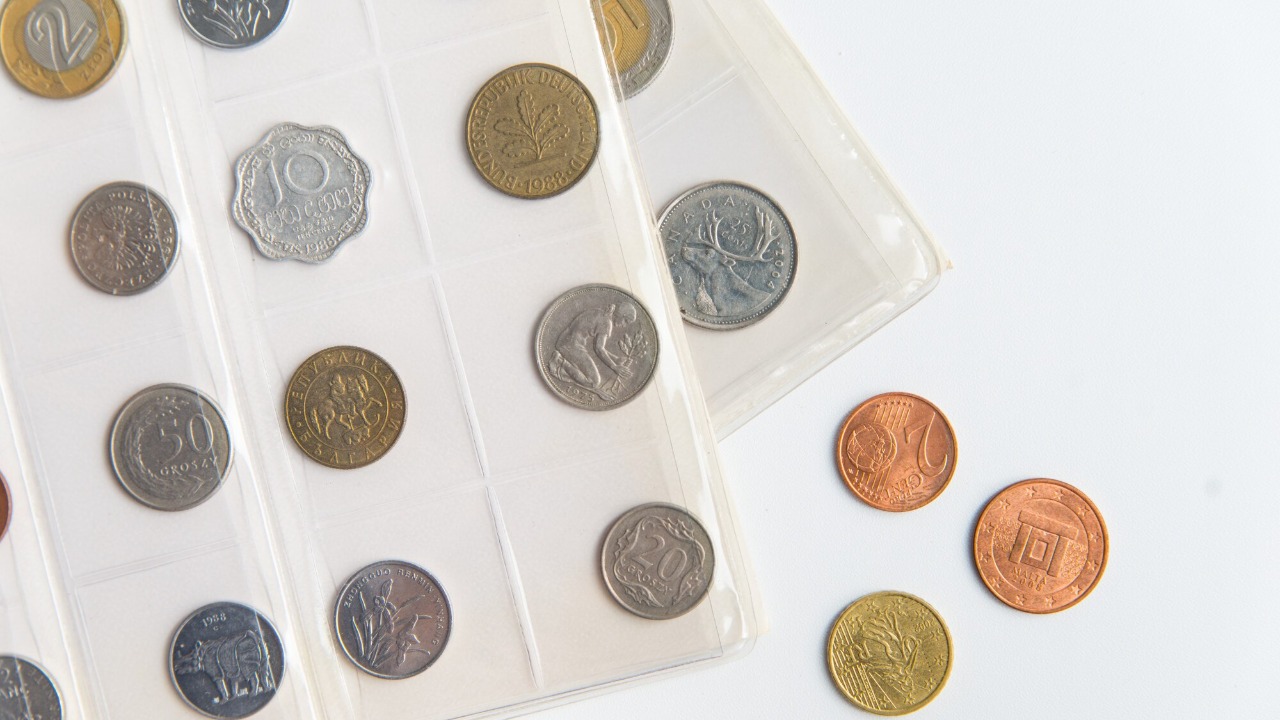
In an era dominated by digital transactions, the intrigue of finding rare coins in pocket change remains a captivating pursuit. With the potential for a small fortune tucked away in the crevices of your wallet, understanding which coins are worth more than their face value can transform a mundane discovery into a thrilling treasure hunt. The world of numismatics reveals treasures that are often overlooked yet hold significant value.
The Allure of Lincoln Pennies
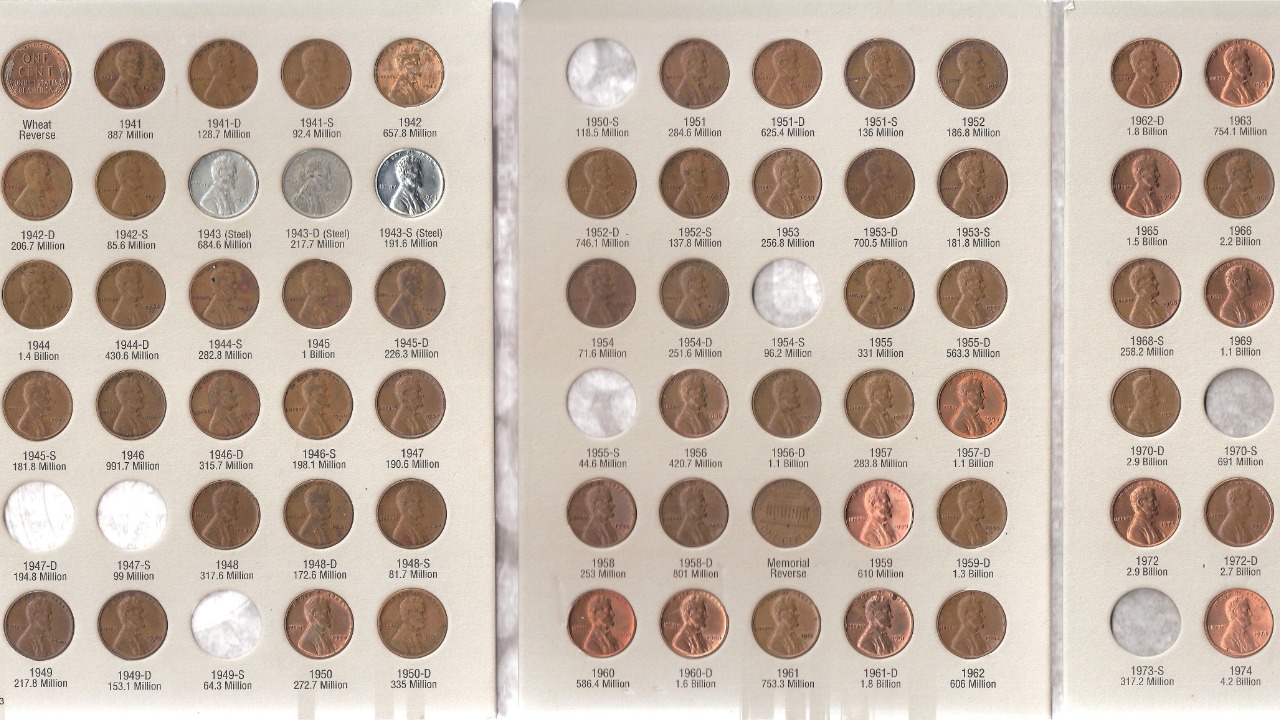
1943 Copper Penny
The 1943 Copper Penny is a fascinating anomaly in the world of coin collecting. During World War II, the U.S. Mint switched from copper to zinc-coated steel to conserve copper for wartime needs. However, a few copper planchets were mistakenly used, creating one of the most sought-after pennies today. These pennies are valuable not just for their rarity but also for their historical significance, capturing a unique moment in American history.
Collectors are willing to pay hefty sums for a genuine 1943 Copper Penny, with prices reaching into the tens of thousands of dollars. Identifying a real copper penny from 1943 requires careful examination and sometimes professional authentication. A simple way to test is using a magnet; a copper penny will not be attracted to it, unlike its steel counterpart.
1955 Doubled Die Penny
The 1955 Doubled Die Penny stands out due to a striking error that occurred during the minting process. This error resulted in the doubling of the date and inscriptions on the coin, making it a remarkable find for collectors. The doubling is easily noticeable without magnification, which adds to its appeal.
Known for its dramatic appearance, the 1955 Doubled Die Penny is highly prized and can fetch a significant premium over its face value. For enthusiasts interested in learning more about valuable coins, a number of resources and guides are available online, such as ways to profit from rare coins.
Valuable Quarters: Hidden Gems in Your Change
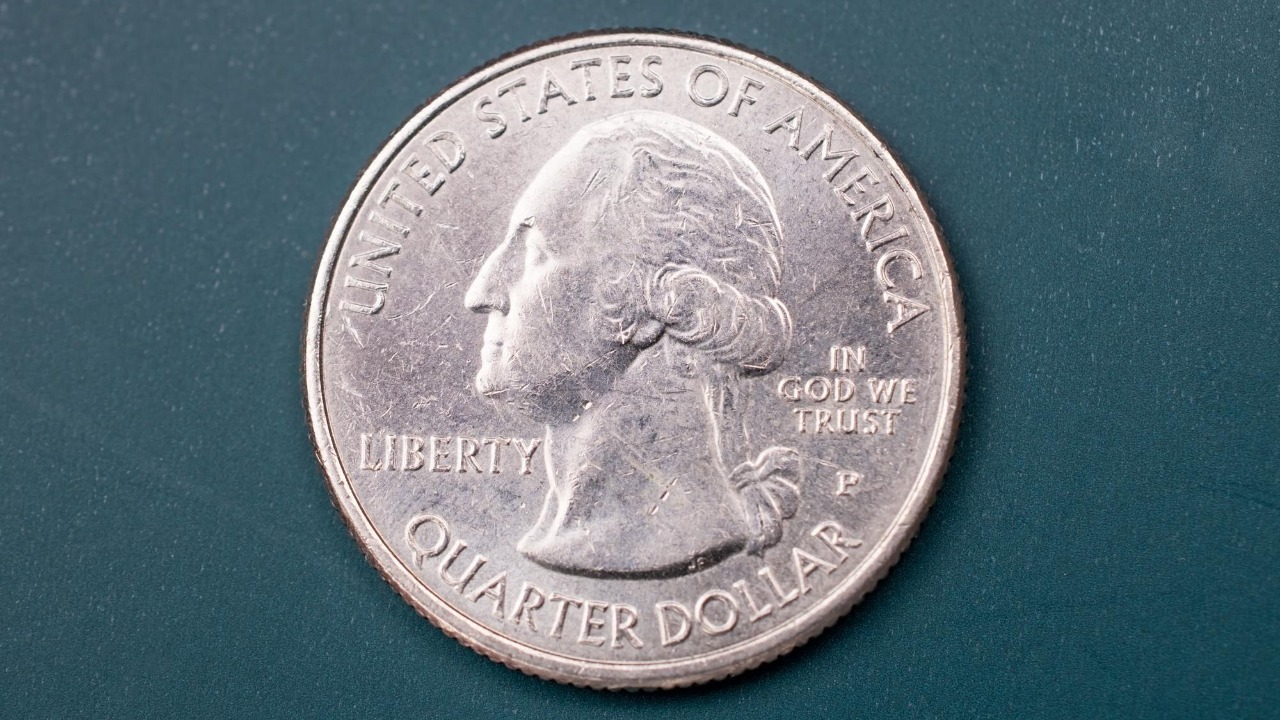
1965 Silver Quarter
The 1965 Silver Quarter is a transitional error that occurred when the U.S. Mint switched from silver to copper-nickel clad quarters. A few silver planchets were mistakenly used, resulting in a limited number of silver quarters being minted post-1964. This makes them an unexpected find in everyday change.
Collectors value these quarters for their rarity and the story behind their creation. A 1965 Silver Quarter can be identified by its weight and the distinct sound it makes compared to clad coins. Such coins can often be overlooked in circulation, making them a delightful discovery for those who take the time to examine their change.
State Quarters with Errors
State quarters with minting errors have garnered attention from collectors due to their unique characteristics. One notable example is the Wisconsin quarter with an extra leaf on the corn stalk. This error occurred during the minting of the quarter and has intrigued collectors ever since.
The value of these quarters can vary significantly based on the type and visibility of the error. Collectors often seek these coins for their uniqueness and the chance to own a piece of minting history. For more insights into valuable coins you might find in pocket change, check out this comprehensive guide.
The Worth of Nickels: Small Coins, Big Value
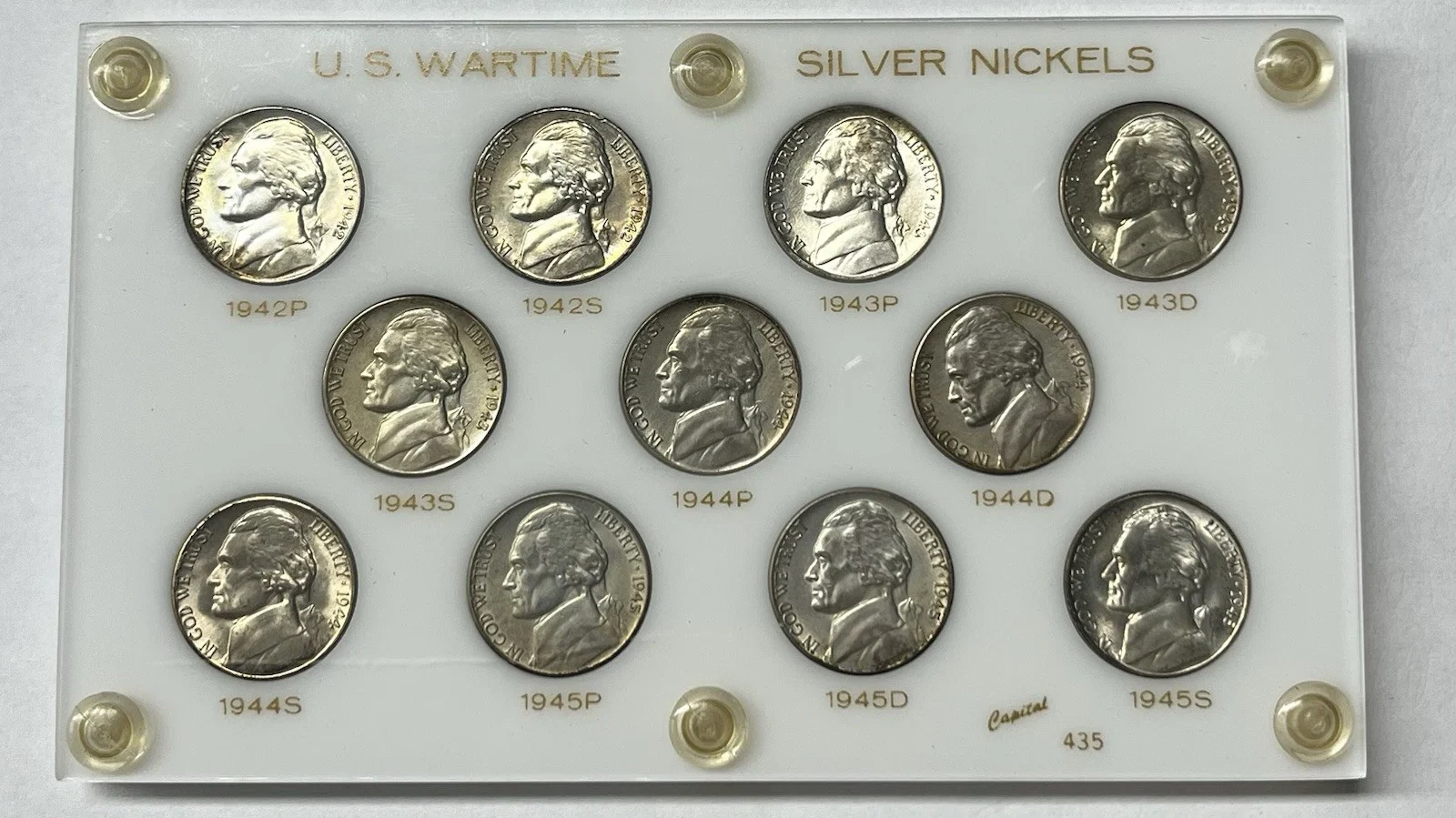
1942-1945 Silver War Nickels
The 1942-1945 Silver War Nickels are a testament to the resourcefulness of the United States during World War II. Due to metal shortages, these nickels were minted with 35% silver, making them a valuable find today. The distinct mint mark above Monticello and their composition set them apart from regular nickels.
Collectors cherish these nickels for their historical significance and silver content. They are a reminder of a time when the nation rallied to support the war effort by altering everyday items like currency. The market value of these nickels can fluctuate based on the current silver prices, but they always hold a premium over face value.
1939-D Jefferson Nickel
The 1939-D Jefferson Nickel is a rare find due to its low mintage. The scarcity of this particular nickel makes it highly desirable among collectors. While it may look like any other nickel at first glance, its date and mint mark tell a different story.
The value of a 1939-D Jefferson Nickel can vary based on its condition, with well-preserved examples fetching higher prices. These nickels represent an era of American history and are a testament to the enduring appeal of numismatics. For those interested in diving deeper into such topics, exploring resources like articles about valuable pocket change can be enlightening.
Dimes: Tiny Treasures
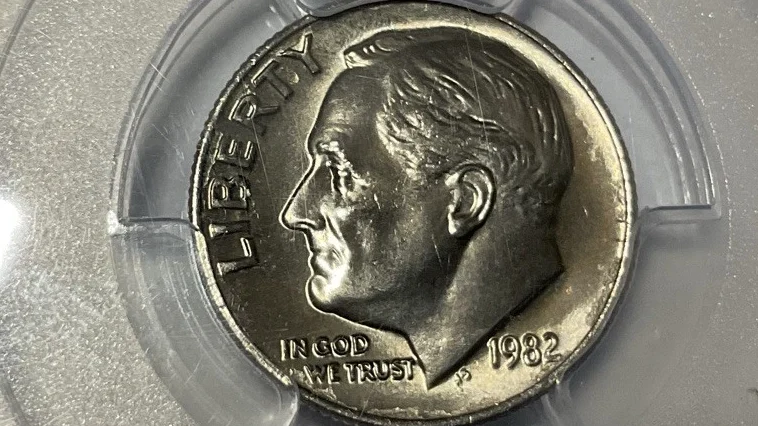
1982 No Mint Mark Dime
The 1982 No Mint Mark Dime is an interesting anomaly for collectors. Typically, dimes feature a mint mark indicating where they were produced. However, due to an oversight, some 1982 dimes were minted without this mark, making them rare and sought after.
Collectors prize these dimes for their uniqueness, and they can command a premium in the market. Identifying one requires a keen eye, as the absence of a mint mark is the only distinguishing feature. These dimes remind collectors that even small coins can hold significant value.
1968 No-S Roosevelt Dime
The 1968 No-S Roosevelt Dime is a proof coin error that has captured the interest of numismatists. Proof coins are specially made for collectors and typically include a mint mark. The absence of the “S” mint mark on these dimes makes them rare and valuable.
Proof coins are known for their high-quality finish, and the 1968 No-S Dime is no exception. Its rarity and error make it a prized item for collectors looking to add unique pieces to their collections. The impact of such errors on a coin’s value can be significant, with collectors willing to pay a premium for these rare finds.
The Unexpected Wealth in Half Dollars
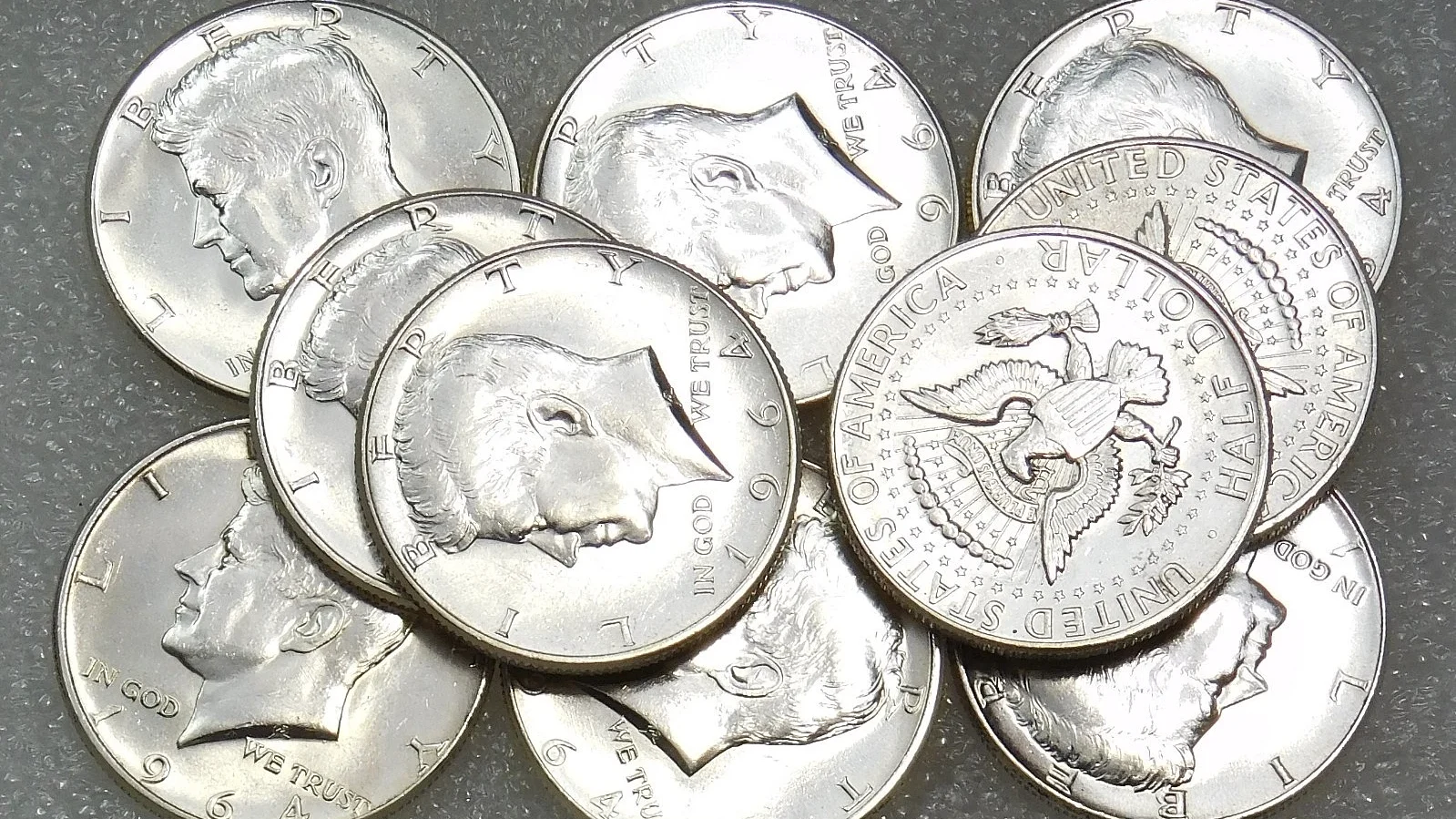
1964 Kennedy Half Dollar
The 1964 Kennedy Half Dollar holds both sentimental and financial value. Minted shortly after President Kennedy’s assassination, these half dollars contain 90% silver, making them valuable for their metal content alone. Their historical context adds an emotional layer to their appeal.
Collectors and history enthusiasts alike treasure these coins for what they represent. The transition from silver to clad coins in the following years makes the 1964 version even more special. These half dollars are a reminder of a pivotal moment in American history and continue to be a popular item among collectors.
1970-D Half Dollar
The 1970-D Half Dollar is a coin that intrigues collectors due to its rarity. Produced only for mint sets, it was not released for general circulation, making it a sought-after piece for those building coin collections. Its limited availability adds to its allure.
While it may not have the silver content of earlier half dollars, the 1970-D stands out for its scarcity. Collectors value it for its uniqueness and the challenge of acquiring one. This half dollar exemplifies how coins produced in lower quantities can hold significant value over time.
Tips for Identifying and Collecting Rare Coins
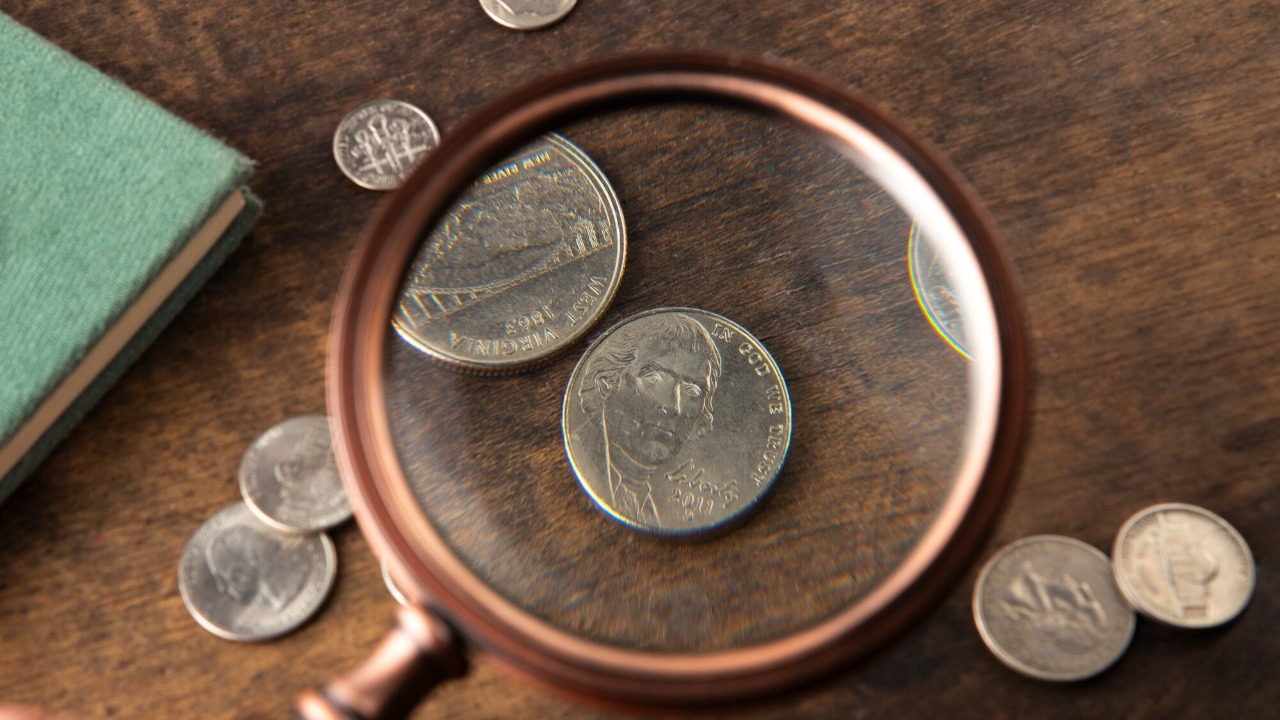
Tools and Resources
For aspiring coin collectors, having the right tools and resources is crucial. A magnifying glass is essential for examining coins for minute details like mint marks and errors. Reference guides and online resources provide valuable information on identifying and valuing rare coins. Websites such as the world of rare coins can offer insights into what makes a coin valuable.
Joining numismatic clubs or online forums can also be beneficial for networking with other collectors and learning from their experiences. Building a collection is not just about finding rare coins but also understanding their history and market trends.
Preserving Coin Value
Maintaining the condition of rare coins is essential for preserving their value. Handling coins with clean hands or gloves prevents oils and dirt from affecting their surfaces. Proper storage in coin holders or albums can prevent damage from environmental factors like humidity and light.
Regularly monitoring the condition of coins and staying informed about market trends can help collectors make informed decisions. By taking these steps, collectors can protect their investments and enjoy the thrill of numismatics for years to come.

Cole Whitaker focuses on the fundamentals of money management, helping readers make smarter decisions around income, spending, saving, and long-term financial stability. His writing emphasizes clarity, discipline, and practical systems that work in real life. At The Daily Overview, Cole breaks down personal finance topics into straightforward guidance readers can apply immediately.

