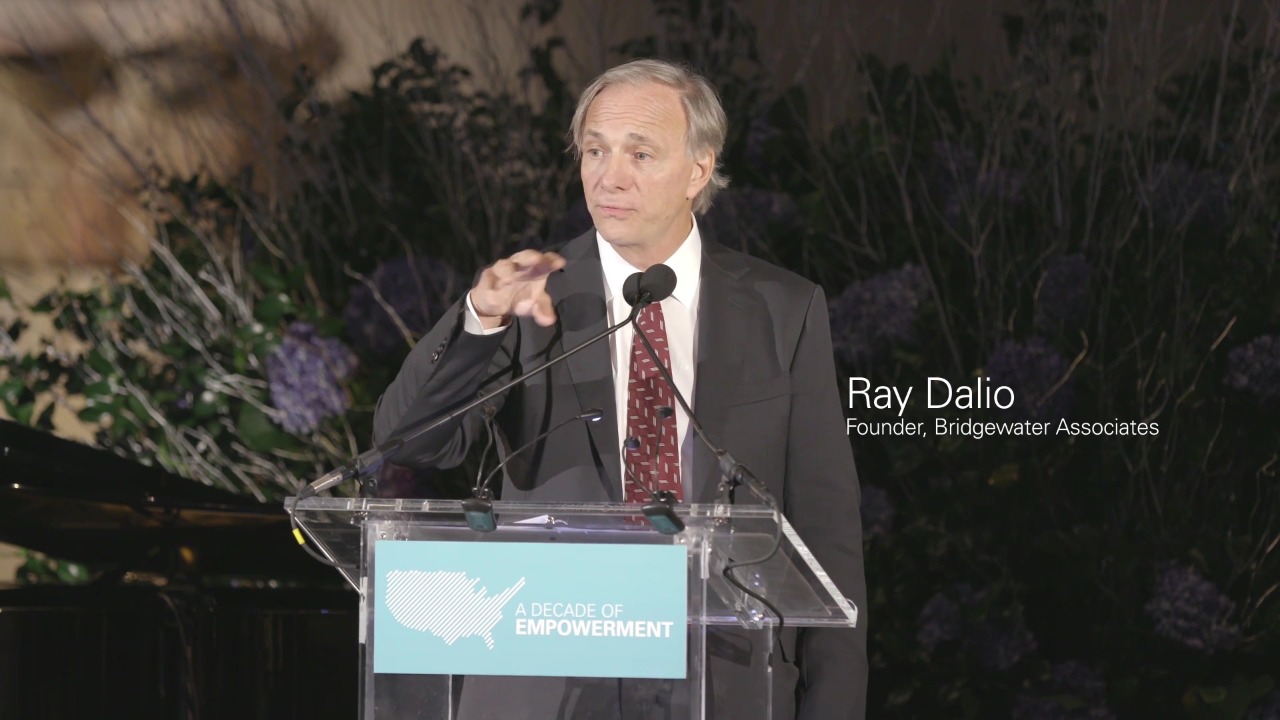
Renowned investor Ray Dalio has recently highlighted the potential risks in the current economic landscape, suggesting that signs of a market bubble are evident. However, he cautions that this bubble might not burst imminently. Dalio’s observations bring attention to the delicate balance between market optimism and underlying vulnerabilities, particularly as the Federal Reserve’s monetary policies continue to evolve.
Ray Dalio’s Assessment of Market Conditions
Ray Dalio has pointed out that there are clear signs of a bubble in the market, characterized by overvaluation in equities and other assets. These indicators align with classic bubble characteristics, where asset prices significantly exceed their intrinsic values. Dalio’s assessment suggests that while the market is currently inflated, the timing of a potential correction remains uncertain.
Despite these signs, Dalio believes that the bubble might not pop soon. This perspective implies that the current economic cycle could be prolonged, especially if interest rates remain low. Prolonged low rates often encourage borrowing and investment, which can sustain market growth even in the face of overvaluation. Dalio’s cautious tone reflects broader economic concerns, including inflation trends and liquidity measures, which continue to influence market dynamics.
Dalio’s insights serve as a reminder of the complexities within the financial system. While markets may appear robust, underlying risks persist, necessitating careful monitoring of economic indicators. Investors and policymakers alike must remain vigilant to navigate these uncertain times effectively.
The Role of Federal Reserve Rate Cuts
Anticipated Federal Reserve rate cuts could potentially fuel a final market rally, according to Dalio’s observations. The sensitivity of markets to monetary easing is evident, as lower rates often lead to increased borrowing and investment, driving up stock valuations. This dynamic can create a deceptive sense of security, masking the underlying risks of a bubble.
In the short term, rate cuts may boost market confidence, leading to a surge in asset prices. However, Dalio’s recognition of existing bubble signs underscores the risks of overextension. The allure of quick gains can overshadow the need for prudent investment strategies, leaving investors vulnerable to sudden market corrections.
Dalio’s cautionary stance highlights the importance of understanding the broader economic implications of monetary policy. While rate cuts can stimulate growth, they also carry the risk of exacerbating existing market imbalances. Investors must weigh these factors carefully to make informed decisions.
Implications for Investors and the Economy
For investors, navigating the potential final rally requires strategic planning and diversification. Dalio’s statement that signs of a bubble are there serves as a signal to reassess portfolios and mitigate risks. Diversification across asset classes can help cushion against volatility and protect against potential downturns.
In the longer term, the economic fallout from a bubble burst could be significant. Dalio’s perspective on the delayed popping of the bubble suggests that while immediate risks may be subdued, the eventual correction could have widespread implications. Historical parallels, such as past Federal Reserve actions preceding market corrections, offer valuable lessons for today’s investors.
Ultimately, Dalio’s warnings underscore the need for vigilance in the face of economic uncertainty. By understanding the interplay between monetary policy and market dynamics, investors can better position themselves to weather potential storms and capitalize on opportunities as they arise.
More From TheDailyOverview
- Dave Ramsey says these two simple questions show whether you’re rich or poor
- Retired But Want To Work? Try These 18 Jobs for Seniors That Pay Weekly
- IRS raises capital gains thresholds for 2026 and what’s new
- 12 ways to make $5,000 fast that actually work

Grant Mercer covers market dynamics, business trends, and the economic forces driving growth across industries. His analysis connects macro movements with real-world implications for investors, entrepreneurs, and professionals. Through his work at The Daily Overview, Grant helps readers understand how markets function and where opportunities may emerge.

