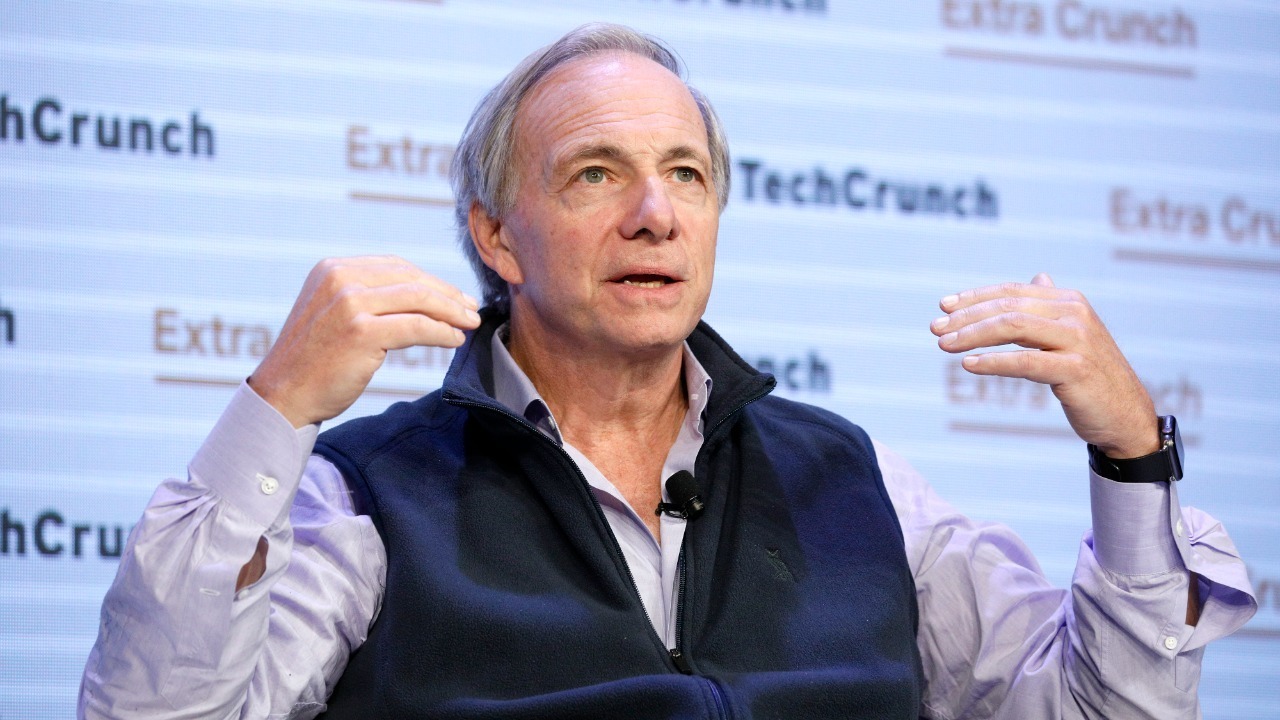
Billionaire investor Ray Dalio, founder of Bridgewater Associates, has recently advised investors to allocate 15% of their portfolios to gold. This recommendation comes amid increasingly credit-dependent markets that heighten economic risks. Dalio compares the current environment to the early 1970s, a period marked by high inflation and monetary shifts, urging investors to hold more gold than usual to hedge against potential disruptions.
His statements, made in early October 2024, signal a timely shift in his long-standing portfolio recommendations as global debt levels rise. This advice reflects a strategic pivot in response to evolving economic conditions.
Dalio’s Assessment of Current Market Vulnerabilities

Ray Dalio has highlighted the modern economy’s heavy reliance on credit expansion, which he believes creates a fragility not seen in previous decades. This concern has prompted his call for protective assets like gold. According to Dalio, the current economic landscape necessitates a “big change” in portfolios due to evolving debt dynamics, a shift from his earlier advisories on diversification in the 2020s. This adjustment is intended to address risks that have become more pronounced since then, underscoring the need for a strategic realignment in investment approaches. Economic Times reports that Dalio’s insights are rooted in the belief that rising U.S. debt and fiscal policies are eroding traditional safe-haven assumptions, a development that has intensified in 2024 compared to the more stable periods following the 2008 financial crisis.
In a recent interview, Dalio emphasized the need for a portfolio overhaul, citing the amplified risks since his earlier guidance. He noted that the current economic environment is fraught with challenges that require a reevaluation of traditional investment strategies. This perspective is particularly relevant as investors navigate the complexities of a credit-dependent market. Dalio’s analysis suggests that the traditional reliance on U.S. dollar-denominated assets may no longer provide the security it once did, prompting a reconsideration of asset allocation strategies. AFR highlights Dalio’s view that the current economic conditions necessitate a shift towards more protective assets like gold.
Parallels to the 1970s Economic Era
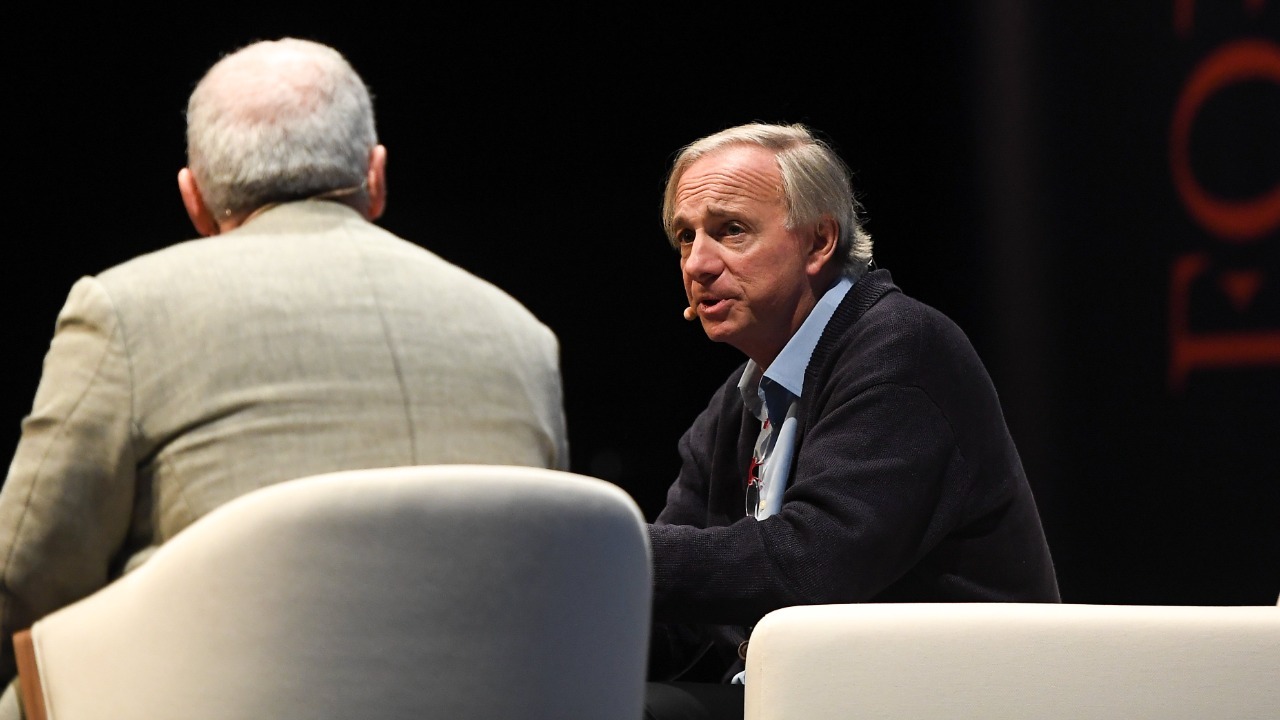
Dalio explicitly stated that “today is like the early 1970s,” drawing parallels between the current economic environment and the inflationary pressures and currency devaluation that characterized that decade. During the 1970s, gold’s value surged as investors sought refuge from economic instability. Dalio sees similar conditions emerging today, with inflationary pressures and currency devaluation posing significant risks to traditional investment strategies. This historical comparison underscores the importance of gold as a hedge against economic uncertainty. CNBC reports that Dalio’s insights are informed by his analysis of past economic cycles and their relevance to current conditions.
He also referenced the return of stagflation-like conditions, where gold outperformed other assets as central banks grappled with monetary controls. This scenario, he argues, is echoing in 2024’s policy challenges. Dalio’s analysis suggests that the current economic environment is reminiscent of the 1970s, with similar challenges and opportunities for investors. This perspective is particularly relevant as central banks navigate the complexities of monetary policy in an era of heightened economic uncertainty. Fool Australia highlights Dalio’s view that the current economic conditions necessitate a strategic shift towards more protective assets like gold.
Recommended Portfolio Adjustments for Investors

Dalio recommends that gold comprise 15% of investment portfolios to counterbalance credit risks, a specific target higher than his typical 5-10% suggestions in less volatile times. This recommendation reflects his belief that the current economic environment necessitates a more aggressive approach to asset allocation. Dalio’s advice is particularly relevant for investors with heavy equity or bond exposure, as these assets may be more vulnerable to economic disruptions. Economic Times reports that Dalio’s insights are informed by his analysis of current market conditions and their implications for investment strategies.
He advises holding “more gold than usual” as a diversification tool, particularly for those with heavy equity or bond exposure. This marks an escalation from his 2023 guidance amid recent interest rate volatility. Dalio’s analysis suggests that the current economic environment is fraught with challenges that require a reevaluation of traditional investment strategies. This perspective is particularly relevant as investors navigate the complexities of a credit-dependent market. CNBC highlights Dalio’s view that the current economic conditions necessitate a shift towards more protective assets like gold.
Broader Implications for Global Stakeholders

Dalio’s push for increased gold holdings impacts institutional investors by challenging reliance on U.S. dollar-denominated assets. The surge in sovereign debt in 2024 makes this advice more urgent than in prior years. This shift in strategy reflects a broader trend towards diversification and risk management in an increasingly volatile economic environment. Dalio’s analysis suggests that the current economic conditions necessitate a reevaluation of traditional investment strategies, with a focus on protective assets like gold. Money Talks News reports that Dalio’s insights are informed by his analysis of current market conditions and their implications for investment strategies.
For retail investors, his 15% allocation advice offers a hedge against inflation eroding savings. This marks a shift from his earlier focus on balanced funds to more defensive strategies in October 2024. Dalio’s analysis suggests that the current economic environment is fraught with challenges that require a reevaluation of traditional investment strategies. This perspective is particularly relevant as investors navigate the complexities of a credit-dependent market. Economic Times highlights Dalio’s view that the current economic conditions necessitate a shift towards more protective assets like gold.
Central banks and policymakers face indirect pressure from Dalio’s warnings, as his 1970s analogy highlights risks of monetary policy missteps amplifying gold’s appeal over fiat currencies. This perspective is particularly relevant as central banks navigate the complexities of monetary policy in an era of heightened economic uncertainty. Dalio’s analysis suggests that the current economic environment is reminiscent of the 1970s, with similar challenges and opportunities for investors. Fool Australia highlights Dalio’s view that the current economic conditions necessitate a strategic shift towards more protective assets like gold.

Grant Mercer covers market dynamics, business trends, and the economic forces driving growth across industries. His analysis connects macro movements with real-world implications for investors, entrepreneurs, and professionals. Through his work at The Daily Overview, Grant helps readers understand how markets function and where opportunities may emerge.

