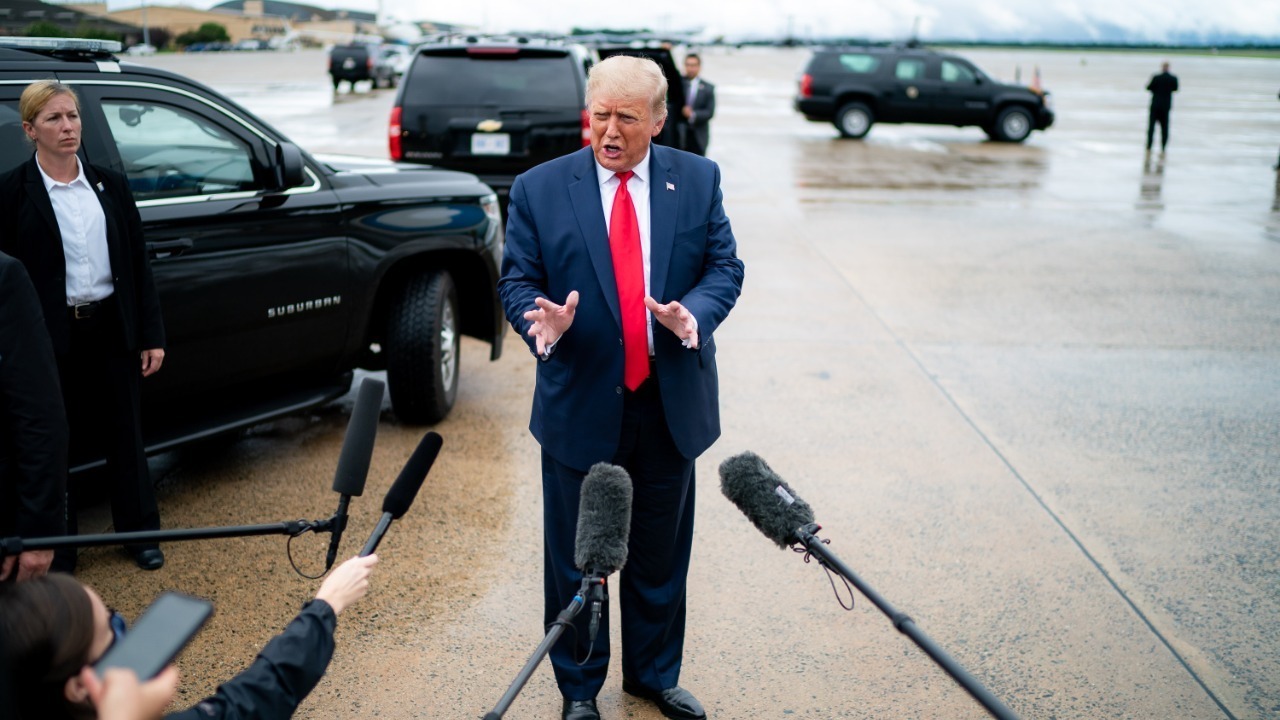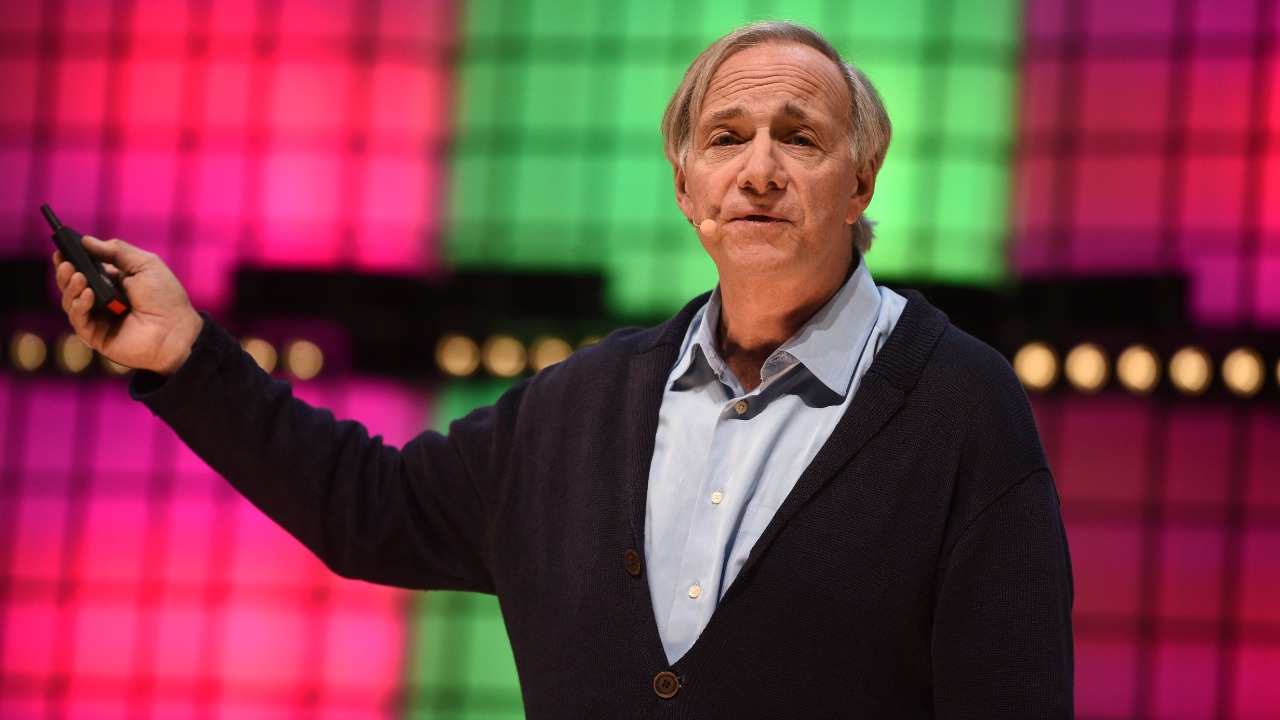
Billionaire investor Ray Dalio has issued a stark warning about President-elect Donald Trump’s economic agenda, suggesting it could propel the United States into a global dynamic reminiscent of the 1930s. Dalio’s recent statement highlights concerns that these policies might exacerbate international tensions and economic instability. As the founder of Bridgewater Associates, Dalio’s perspective underscores a significant shift in investor sentiment amid Trump’s post-election plans.
Ray Dalio’s Background and Expertise
Ray Dalio, the founder of Bridgewater Associates, has established himself as a leading voice in global economic analysis. His hedge fund is the largest in the world, underscoring his influence and expertise in financial markets. Dalio’s career is marked by a deep understanding of economic cycles, which he has detailed in his books such as “Principles” and “Big Debt Crises.” These works draw on historical patterns, including those from the 1930s, to forecast long-term macroeconomic trends.
Dalio’s recent comments build on his previous warnings about debt cycles and geopolitical risks. His analysis suggests an escalation in concerns following Trump’s election, as Dalio sees parallels between current economic policies and those that contributed to the Great Depression. His insights are particularly relevant given his track record of accurately predicting economic shifts based on historical precedents.
Key Elements of Trump’s Economic Agenda
President-elect Trump’s economic agenda includes proposed tariffs and trade policies that Ray Dalio argues could mirror the protectionist measures of the 1930s. These policies, reminiscent of the Smoot-Hawley Tariff Act of 1930, risk escalating global trade wars and deepening economic contraction. Dalio’s analysis suggests that such measures could have far-reaching consequences for international trade dynamics.
Additionally, Trump’s plans for tax cuts and deregulation are viewed by Dalio as potential catalysts for inflation and widening wealth gaps, echoing economic conditions prior to World War II. These policies could exacerbate existing inequalities and create economic volatility, further aligning with Dalio’s concerns about historical parallels.
Trump’s immigration restrictions and “America First” initiatives also raise alarms for Dalio, who warns they might economically isolate the U.S. and alter international alliances. Such moves could evoke the nationalism of the 1930s, potentially leading to fragmented global cooperation and increased geopolitical tensions.
Parallels to the 1930s World Order
Dalio draws a direct comparison between current U.S. policies and the Smoot-Hawley Tariff Act of 1930, which significantly escalated global trade wars and economic contraction. This historical reference underscores the potential risks of adopting similar protectionist measures today. Dalio’s analysis suggests that such policies could lead to a repeat of past economic mistakes, with dire consequences for global stability.
Furthermore, Dalio highlights rising geopolitical tensions, likening them to the interwar period’s mix of economic distress and authoritarian rises. This comparison suggests that current policies could lead to increased conflict risks and a fragmented international order. Dalio’s assessment points to the possibility of a world order “very much like the 1930s,” characterized by heightened economic and political instability.
In conclusion, Ray Dalio’s warnings about Trump’s economic agenda serve as a cautionary tale, urging policymakers and investors to consider the historical parallels and potential consequences of current economic strategies. His insights highlight the importance of learning from the past to avoid repeating the mistakes that led to one of the most turbulent periods in modern history.
More From TheDailyOverview
- Dave Ramsey warns to stop 401(k) contributions
- 11 night jobs you can do from home (not exciting but steady)
- Small U.S. cities ready to boom next
- 19 things boomers should never sell no matter what

Grant Mercer covers market dynamics, business trends, and the economic forces driving growth across industries. His analysis connects macro movements with real-world implications for investors, entrepreneurs, and professionals. Through his work at The Daily Overview, Grant helps readers understand how markets function and where opportunities may emerge.