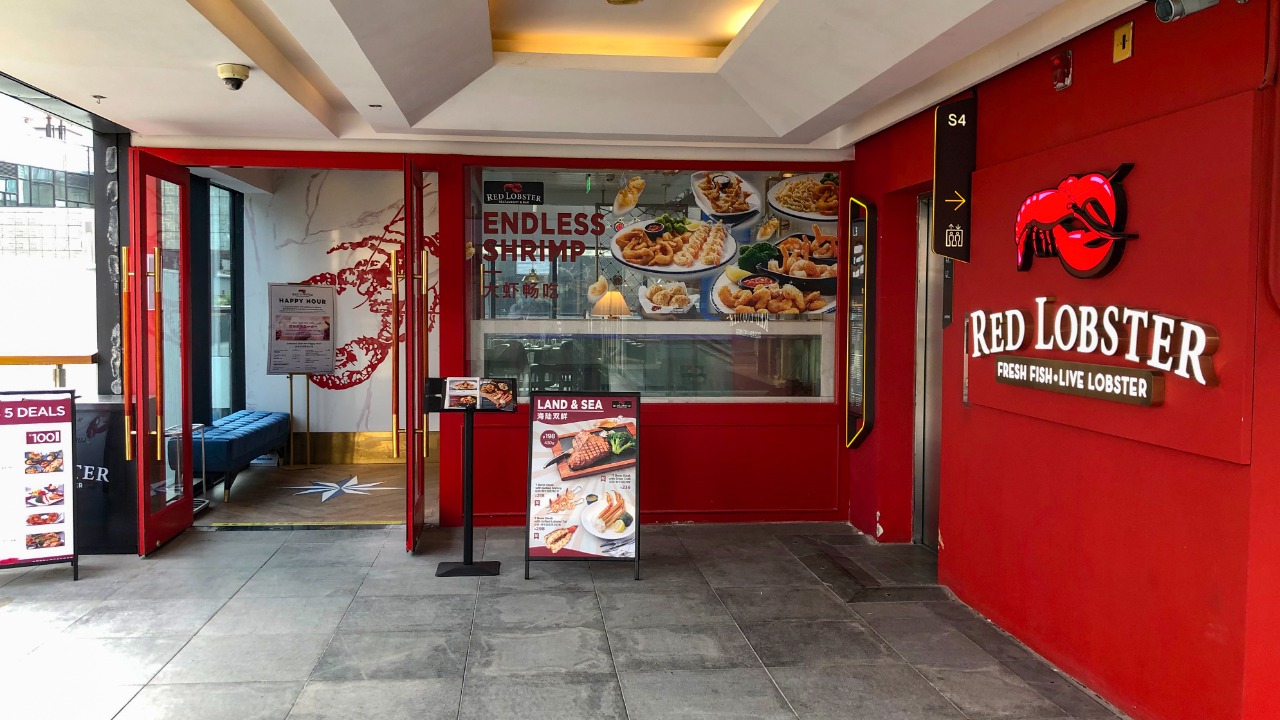
Damola Adamolekun did not wait for a perfect résumé before stepping into the corner office. He became a chief executive at 31 by treating gaps in his experience as problems to solve, not reasons to stand down. His rise from private equity associate to leading some of the country’s most recognizable restaurant brands shows how a deliberate mindset can matter more than ticking every box on a job description.
Instead of chasing an idealized image of a leader, he focused on learning fast, taking visible responsibility and staying calm under pressure. That approach carried him from Nigeria to Wall Street and then into the top job at a national chain while still in his early thirties, and it continues to shape how he runs Red Lobster today.
From Nigeria to the C-suite at 31
The story starts far from any American seafood dining room. Damola Adamolekun was Born in February 1989 in Nigeria, and that early move across continents framed his view that careers are built by navigating unfamiliar territory. By his mid twenties he was working in high finance, eventually becoming a private equity associate at TPG Capital, where he was expected to understand balance sheets, strategy and operations quickly enough to justify major investments. That training would later prove crucial when he was asked to step out of the investor’s chair and into an operator’s role.
In 2020, Adamolekun became P. F. Chang’s first Black CEO at the age of 31, a milestone that underscored both his speed of ascent and the scarcity of Black leaders in the restaurant industry. The move put him in charge of the Chang brand at a moment when dining rooms were under intense pressure, and During his tenure he was expected to steer a national chain through rapid shifts in consumer behavior and operating rules, according to biographical records. That leap into the top job at 31 is the benchmark he now points to when he talks about the mindset that carried him into leadership before most of his peers.
Why not being the “perfect candidate” became an advantage
Adamolekun has been explicit that he never saw himself as the flawless applicant for any of the roles that changed his life. In public remarks he has said You cannot be a perfect candidate for anything, and that accepting this freed him to pursue opportunities that looked slightly out of reach. When he was elevated into the chief executive role in his early thirties, he lacked decades of operating experience, but he believed he could close that gap faster than a more traditional candidate could learn to think like an owner, a view he has described in detail in a recent interview.
He argues that the real differentiator is not a flawless CV but a willingness to do unglamorous work and learn in public. When Red Lobster needed to reopen locations and reset operations, he talked about literally putting on a hard hat and working on the ground with staff, a detail he shared while explaining that he also relied heavily on his people skills to move the business forward. That combination of humility and confidence, he has said in a separate discussion of his leadership style, is what allows an imperfect candidate to outperform someone who looks ideal on paper but hesitates when conditions change.
Building trust fast as a young, Black CEO
Arriving in the corner office in your thirties is one challenge, earning the trust of people who have been in the industry longer than you have is another. On social media, one post introduced him as Damola Adamolekun, 36, took Red Lobster CEO at 36, the youngest chief executive in the franchise’s history, a reminder that even now he is younger than many of his direct reports, as highlighted in an Instagram profile. He has said that the only way to bridge that gap is to show, repeatedly, that he is willing to listen, decide and then share credit when things go right.
That approach is especially visible in how he talks about race and representation. Among the United States’ top 500 companies, only eight businesses are led by Black CEOs. Eight. Meaning the odds were never in his favor statistically, a reality he has acknowledged in an extended interview. He has framed his own presence in the role as both a responsibility and a signal to younger professionals that some barriers are structural and slow to move, but others can be challenged by preparation, persistence and a refusal to self select out of contention.
Emotional control and the discipline of visible calm
One of the most consistent themes in Adamolekun’s leadership playbook is emotional control. He has said that a CEO cannot afford to let the team see panic, even when the numbers are ugly or a promotion misfires. At Red Lobster he has become known for practicing a kind of visible calm, keeping his tone steady in meetings and on restaurant visits so that line cooks and managers see a leader who is processing problems rather than reacting to them. He has described this as a conscious discipline, not a personality trait, in a detailed conversation about stress.
That composure is not about pretending everything is fine. He has said it is about modeling the behavior he wants from his leaders when a promotion like an endless shrimp offer strains the business or when a new menu rollout hits supply chain snags. In another set of remarks on leadership, he linked that emotional steadiness to credibility, arguing that teams will follow a young chief only if they believe he will not swing wildly with every piece of bad news.
The productivity mindset: focus, operations and teaching yourself to lead
Behind the scenes, Adamolekun’s mindset is relentlessly operational. He has said that his calendar is built around a few priorities, not a blur of back to back meetings, and that he measures his own productivity by whether the business is actually improving. Earlier this year he outlined his top three ways to stay effective as a leader, emphasizing focus, clear metrics and time spent in the field with restaurant teams, in a profile that described how Red Lobster CEO Damola Adamolekun concentrates on leadership and operational improvements while drawing on his background as a private equity associate at TPG Capital, as detailed in a feature on his work habits.
He also talks about leadership as a skill you can teach yourself rather than a fixed identity. In one profile he put it bluntly: It is not faking it. It is teaching. It is becoming the thing you need to be, preparing. You need to recognize that the job will always be slightly bigger than your current capabilities, a philosophy captured in a profile of his career. That framing turns imposter syndrome into a training plan, which is how he explains his own jump into the CEO role at 31.
How he earns trust in the room and on the restaurant floor
Trust, for Adamolekun, is not a soft concept. He has said the most important elements of leading at his age are competence, consistency and communication, and that people will forgive inexperience if they see those three things every week. In a short video clip, Red Lobster CEO Damola Adamolekun shares his expert advice on how to build trust and succeed as a young leader, stressing that you have to deliver on promises and admit mistakes quickly, a message captured in an Instagram reel. That same logic applies whether he is talking to franchise owners about margins or to servers about table turns.
He has expanded on those ideas in longer form conversations, including a recorded discussion where the CEO sat down to talk about leadership, building trust and taking risks, describing how he balances data driven decisions with the human side of running restaurants, as seen in a video interview. Across those appearances he returns to a simple pattern: show up prepared, listen more than you speak at first, then make a clear call and stand behind it. That is the mindset he credits with getting him to CEO at 31 and keeping him effective now that he is 36, still learning in public while steering a national brand.
His trajectory also sits inside a broader conversation about corporate power and representation. Among the United States’ top 500 companies, the fact that only Eight are led by Black chiefs is not a statistic he treats as background noise, it is part of the reason he accepts invitations to events like the EBONY Power 100 Gala, where he has been recognized among leaders whose influence extends beyond their own balance sheets. At that event he spoke with Ashton Jackson about how a mindset that rejects the myth of the perfect candidate helped him move from Nigeria to Wall Street to the Red Lobster C-suite, a journey that has been highlighted in coverage of the EBONY celebration of 51, 100 G honorees and in a recent profile. For ambitious professionals watching his rise, the lesson is blunt: stop waiting to be perfect, start preparing to be ready when the imperfect opportunity arrives.
More From TheDailyOverview

Grant Mercer covers market dynamics, business trends, and the economic forces driving growth across industries. His analysis connects macro movements with real-world implications for investors, entrepreneurs, and professionals. Through his work at The Daily Overview, Grant helps readers understand how markets function and where opportunities may emerge.

