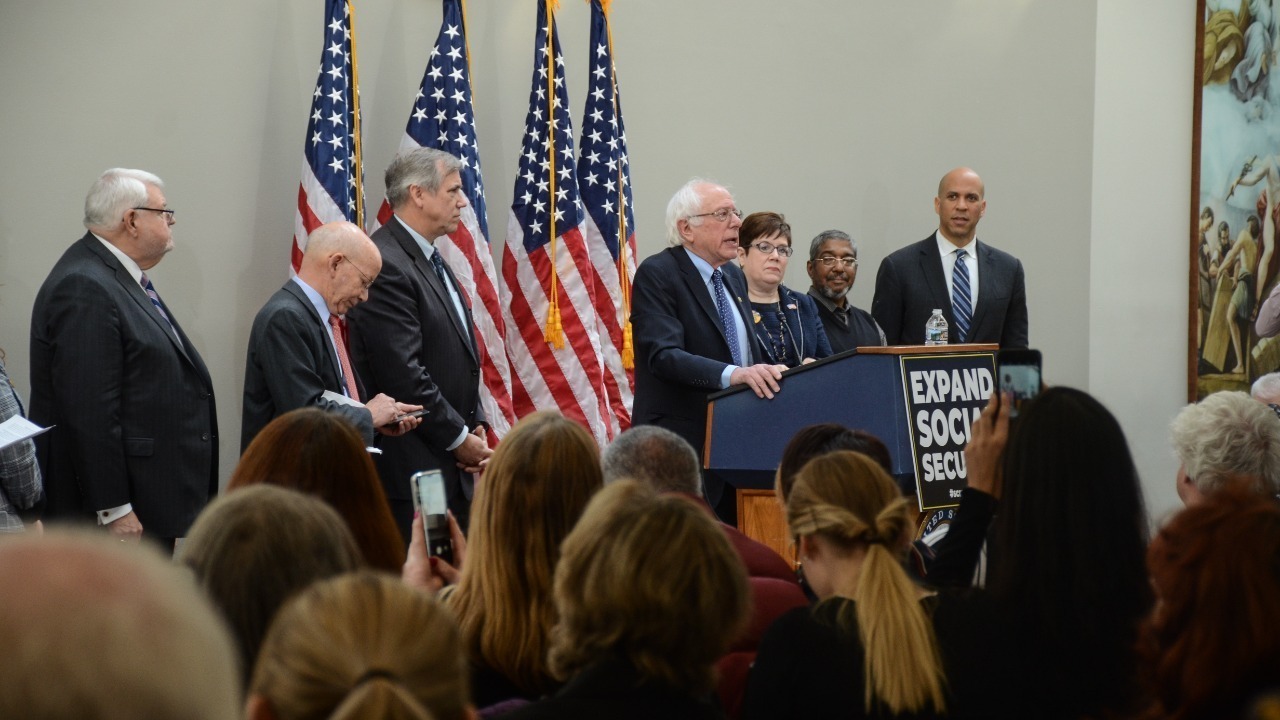
Retirees eagerly anticipating the announcement of the 2026 Social Security Cost-of-Living Adjustment (COLA) may face delays this year due to a potential government shutdown. This situation could postpone the critical update on benefit increases, leaving many uncertain about their financial planning. Additionally, while the exact percentage of the increase remains undisclosed, recent reports highlight that retirees in certain states might experience larger raises due to factors unrelated to the COLA itself, such as state taxes and living costs.
Potential Delays in the 2026 COLA Announcement
The looming threat of a government shutdown poses a significant risk to the timely announcement of the 2026 COLA. A lapse in federal funding could disrupt the operations of the Social Security Administration, delaying the release of this crucial information. Historically, government shutdowns have led to postponed announcements, impacting the timeline for retirees who rely on these updates for financial planning. The mechanics of COLA calculation depend on data processing, which could be hindered if the shutdown occurs, as noted in Newsweek. This delay would not only affect the announcement but also the subsequent adjustments to benefits.
Understanding the timing of COLA calculations is essential for retirees. The adjustment is based on the Consumer Price Index for Urban Wage Earners and Clerical Workers (CPI-W), and any delay in processing this data could push back the announcement. According to Southern Digest, the major increase update could be delayed this year, emphasizing the importance of timely data processing for accurate benefit adjustments.
Regional Variations in 2026 COLA Raises
While the COLA itself is a uniform national adjustment, retirees in ten states are expected to see larger net increases due to factors such as state taxes and local cost-of-living differences. According to Yahoo Finance, these states include Florida, Texas, and Arizona, where retirees may benefit more from the COLA due to favorable tax policies and lower living costs. It’s important to note that the COLA percentage remains consistent nationwide, but the net effect can vary based on these external factors.
State-specific economic conditions can influence how retirees perceive their COLA increases. For instance, states with no income tax or lower property taxes can enhance the impact of the COLA, allowing retirees to retain more of their adjusted benefits. This highlights the importance of considering local economic conditions when evaluating the real-world impact of COLA adjustments.
What Retirees Can Anticipate from the 2026 COLA
Projections for the 2026 COLA suggest that retirees can expect a modest increase in their benefits, driven by inflation metrics and baseline benefit calculations. As reported by TheStreet, the adjustment aims to help retirees maintain their purchasing power amid rising costs. However, the exact percentage will only be confirmed once the official announcement is made.
In the face of potential delays, retirees should prepare by reviewing their current benefit statements and planning their budgets based on estimated increases. This proactive approach can help mitigate the uncertainty caused by the delayed announcement, ensuring that retirees are ready to adjust their financial plans once the new COLA is officially revealed.
Key Implications of Announcement Delays for Beneficiaries
A government shutdown could have practical effects on the processing of Social Security payments, but it’s important to note that monthly benefits will continue uninterrupted. According to The Motley Fool, retirees should not worry about receiving their payments on time, even if the announcement is delayed. However, accessing preliminary estimates and staying informed through official channels will be crucial during this period of uncertainty.
Retirees need to be aware of the resources available to them for staying updated on the COLA announcement. Official Social Security Administration communications and trusted financial news outlets will provide the most reliable information. By keeping informed and preparing for potential changes, retirees can navigate the challenges posed by the delayed announcement and ensure their financial stability.

Nathaniel Cross focuses on retirement planning, employer benefits, and long-term income security. His writing covers pensions, social programs, investment vehicles, and strategies designed to protect financial independence later in life. At The Daily Overview, Nathaniel provides practical insight to help readers plan with confidence and foresight.

