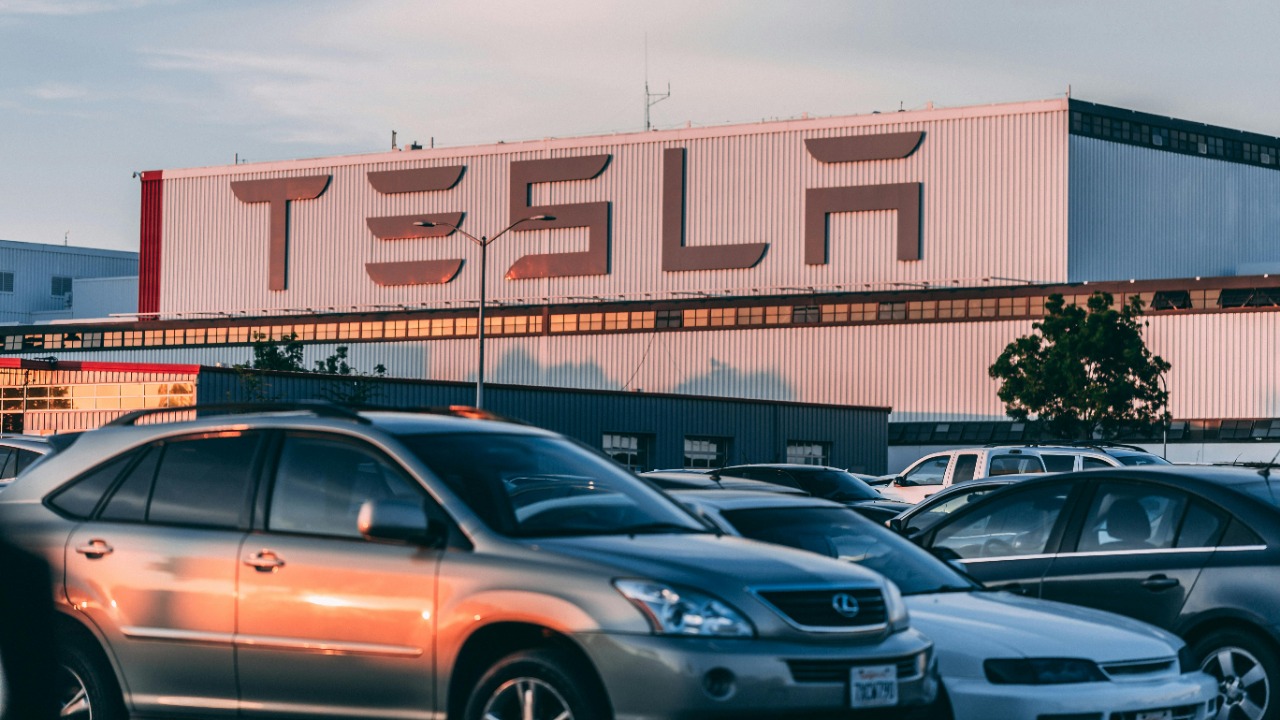
The U.S. auto industry is grappling with significant challenges as escalating tariffs and supply chain disruptions continue to impact major players like Ford, Tesla, and GM. These companies are experiencing substantial cost increases, testing their ability to maintain production and profitability amid ongoing global trade tensions. Industry leaders caution that without effective adaptive strategies, the current chaos could trigger broader economic ripple effects.
Tariffs’ Direct Impact on Production Costs
Tariffs imposed on imported components have significantly increased manufacturing expenses for U.S.-based assembly lines. These trade measures have forced companies like Ford to report notable cost hikes in vehicle production. The tariffs have made it more expensive to source essential parts, directly affecting the bottom line and forcing companies to reassess their pricing strategies. Ford, for example, has seen a marked increase in production costs, which has put pressure on their profit margins and pricing models.
Similarly, GM is facing financial strains due to these tariffs, which have led to delays in sourcing affordable parts. The increased costs are not only impacting the company’s current operations but also its future planning and investment strategies. GM’s struggle to maintain a steady supply of components at reasonable prices underscores the broader challenges faced by the industry as it navigates the complexities of international trade policies.
Supply Chain Disruptions and Operational Chaos
Global trade barriers have introduced chaos into the auto supply chain, disrupting the just-in-time delivery models that many manufacturers rely on. Tesla, for instance, has encountered significant challenges with importing batteries and semiconductors amid the tariff escalations. These disruptions have forced the company to explore alternative sourcing strategies and adjust its production timelines to mitigate the impact on its operations.
The broader industry is also experiencing halts and slowdowns linked to these supply chain disruptions. As of October 20, 2025, many manufacturers are struggling to maintain their production schedules, leading to delays in vehicle deliveries and potential losses in market share. The ongoing chaos highlights the vulnerability of the auto industry’s supply chain and the urgent need for more resilient operational strategies.
Strategies for Building Resiliency
In response to these challenges, Ford has initiated efforts to diversify its suppliers and reduce reliance on tariff-impacted imports. By broadening its supplier base, Ford aims to mitigate the risks associated with trade barriers and ensure a more stable supply of components. This strategy is part of a broader effort to enhance the company’s resilience in the face of ongoing trade tensions.
GM is also investing in domestic production to alleviate the cost pressures caused by tariffs. By increasing its manufacturing capabilities within the United States, GM hopes to reduce its dependence on imported parts and better control its production costs. This investment in domestic infrastructure is a strategic move to safeguard the company’s operations against future trade disruptions.
Tesla, on the other hand, is focusing on vertical integration as a means to navigate the persistent industry turmoil. By bringing more of its supply chain in-house, Tesla aims to reduce its exposure to external supply chain risks and maintain greater control over its production processes. This approach not only helps Tesla manage current challenges but also positions the company for long-term growth and stability.
As the U.S. auto industry continues to face significant challenges from tariffs and supply chain disruptions, companies are adopting various strategies to build resilience and ensure their long-term viability. By diversifying suppliers, investing in domestic production, and pursuing vertical integration, industry leaders are working to mitigate the impact of global trade tensions and secure their place in the competitive automotive market.

Grant Mercer covers market dynamics, business trends, and the economic forces driving growth across industries. His analysis connects macro movements with real-world implications for investors, entrepreneurs, and professionals. Through his work at The Daily Overview, Grant helps readers understand how markets function and where opportunities may emerge.

