
Robert Kiyosaki, the author of “Rich Dad Poor Dad,” is renowned for his insights into wealth-building and financial independence. His strategies often emphasize the importance of creating passive income streams, which allow individuals to earn money with minimal ongoing effort. In this article, I will explore six passive income ideas that Kiyosaki advocates, each offering unique opportunities for financial growth and stability.
1. Real Estate Investments

Robert Kiyosaki frequently highlights real estate as a cornerstone of passive income generation. He believes that investing in properties can provide a steady cash flow through rental income, while also appreciating in value over time. According to Kiyosaki, real estate offers the dual benefits of income and capital gains, making it a powerful tool for building wealth. He often advises investors to focus on acquiring properties in areas with strong rental demand and potential for appreciation.
Real estate investments can take various forms, from residential rental properties to commercial real estate and real estate investment trusts (REITs). Each option has its own set of advantages and risks, but Kiyosaki emphasizes the importance of thorough research and due diligence. By understanding market trends and property values, investors can make informed decisions that maximize their returns. As noted in a GoBankingRates article, Kiyosaki’s approach to real estate is rooted in leveraging debt wisely to acquire assets that generate income.
2. Stock Market Dividends

Another passive income strategy Kiyosaki advocates is investing in dividend-paying stocks. These stocks provide investors with regular income in the form of dividends, which are typically distributed quarterly. Kiyosaki views dividends as a reliable income stream that can supplement other earnings and contribute to financial independence. He suggests focusing on companies with a strong track record of paying and increasing dividends over time.
Investing in dividend stocks requires careful selection and analysis. Kiyosaki advises looking for companies with stable earnings, low debt levels, and a history of consistent dividend payments. By reinvesting dividends, investors can take advantage of compound growth, further enhancing their returns. As highlighted in the GoBankingRates article, Kiyosaki’s strategy involves building a diversified portfolio of dividend stocks to mitigate risk and ensure a steady income stream.
3. Intellectual Property Income

Kiyosaki also emphasizes the potential of generating passive income through intellectual property. This includes creating and owning assets such as books, online courses, or patents that can generate royalties or licensing fees. Kiyosaki himself has authored numerous books, leveraging his expertise to create a sustainable income stream. He encourages others to identify their unique skills or knowledge and package them into products that can be sold repeatedly.
Creating intellectual property requires an initial investment of time and effort, but once established, it can provide ongoing income with minimal maintenance. Kiyosaki suggests focusing on areas where you have expertise or passion, as this can lead to more authentic and valuable content. According to a 24/7 Wall St. article, Kiyosaki’s approach to intellectual property is about leveraging one’s knowledge to create assets that continue to generate income over time.
4. Business Ownership

Owning a business that can operate independently of direct involvement is another passive income strategy Kiyosaki recommends. He believes that building a business with systems and processes in place allows it to run smoothly without constant oversight. This approach not only generates income but also creates an asset that can be sold or passed on to future generations.
Kiyosaki advises aspiring entrepreneurs to focus on businesses that align with their interests and skills. By creating a strong team and delegating responsibilities, business owners can free up their time while still benefiting from the profits. As mentioned in the GoBankingRates article, Kiyosaki’s strategy involves building businesses that can thrive without the owner’s constant presence, allowing for greater flexibility and freedom.
5. Peer-to-Peer Lending

Peer-to-peer lending is a relatively modern approach to generating passive income, and Kiyosaki sees it as a viable option for earning interest on loans. This method involves lending money to individuals or small businesses through online platforms, which facilitate the transactions and manage the repayment process. By participating in peer-to-peer lending, investors can earn returns in the form of interest payments.
Kiyosaki suggests that peer-to-peer lending can be an attractive option for those looking to diversify their income streams. However, he also cautions that it carries risks, such as borrower defaults. To mitigate these risks, Kiyosaki recommends spreading investments across multiple loans and thoroughly vetting borrowers. The GoBankingRates article highlights Kiyosaki’s view that peer-to-peer lending can be a lucrative addition to a diversified portfolio, offering competitive returns compared to traditional savings accounts.
6. Investing in Commodities
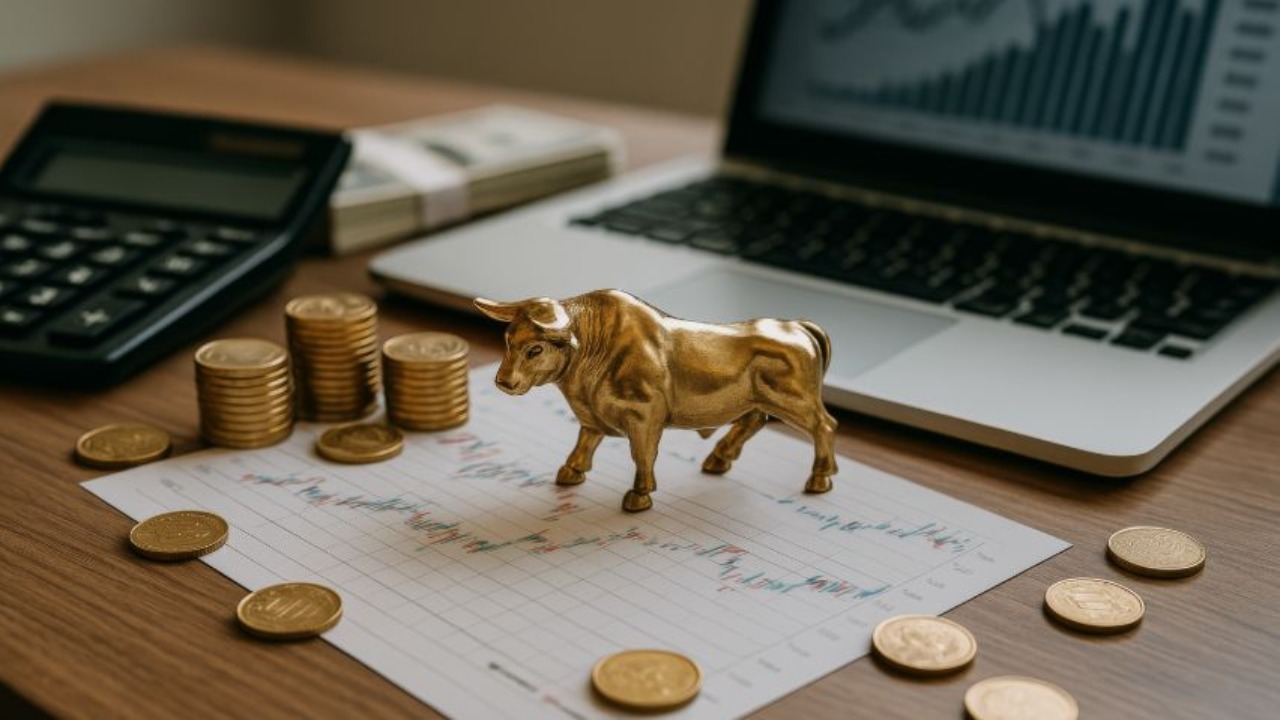
Finally, Kiyosaki advocates for investing in commodities like gold and silver as a means of generating passive income and hedging against inflation. He believes that commodities can provide a stable store of value, especially during economic downturns. By holding physical assets, investors can protect their wealth from currency fluctuations and market volatility.
Kiyosaki’s approach to commodities involves understanding market trends and timing purchases strategically. He advises investors to consider the long-term potential of commodities and their role in a diversified portfolio. According to the 24/7 Wall St. article, Kiyosaki sees commodities as a crucial component of a comprehensive investment strategy, offering both income and protection against economic instability.
In addition to gold and silver, Kiyosaki often highlights other commodities such as oil, natural gas, and agricultural products as viable investment options. These commodities can offer diversification benefits, as their prices are influenced by different factors compared to stocks and bonds. For instance, geopolitical events, weather patterns, and technological advancements can significantly impact commodity prices, providing opportunities for investors to capitalize on these fluctuations.
Moreover, Kiyosaki underscores the importance of understanding the supply and demand dynamics of each commodity. He suggests that investors should stay informed about global economic trends and regulatory changes that could affect commodity markets. By doing so, they can make more informed decisions about when to buy or sell their holdings. As noted in the Yahoo Finance article, Kiyosaki’s approach to commodities is not just about immediate gains but also about securing long-term financial stability by holding tangible assets that retain value over time.

Cole Whitaker focuses on the fundamentals of money management, helping readers make smarter decisions around income, spending, saving, and long-term financial stability. His writing emphasizes clarity, discipline, and practical systems that work in real life. At The Daily Overview, Cole breaks down personal finance topics into straightforward guidance readers can apply immediately.

