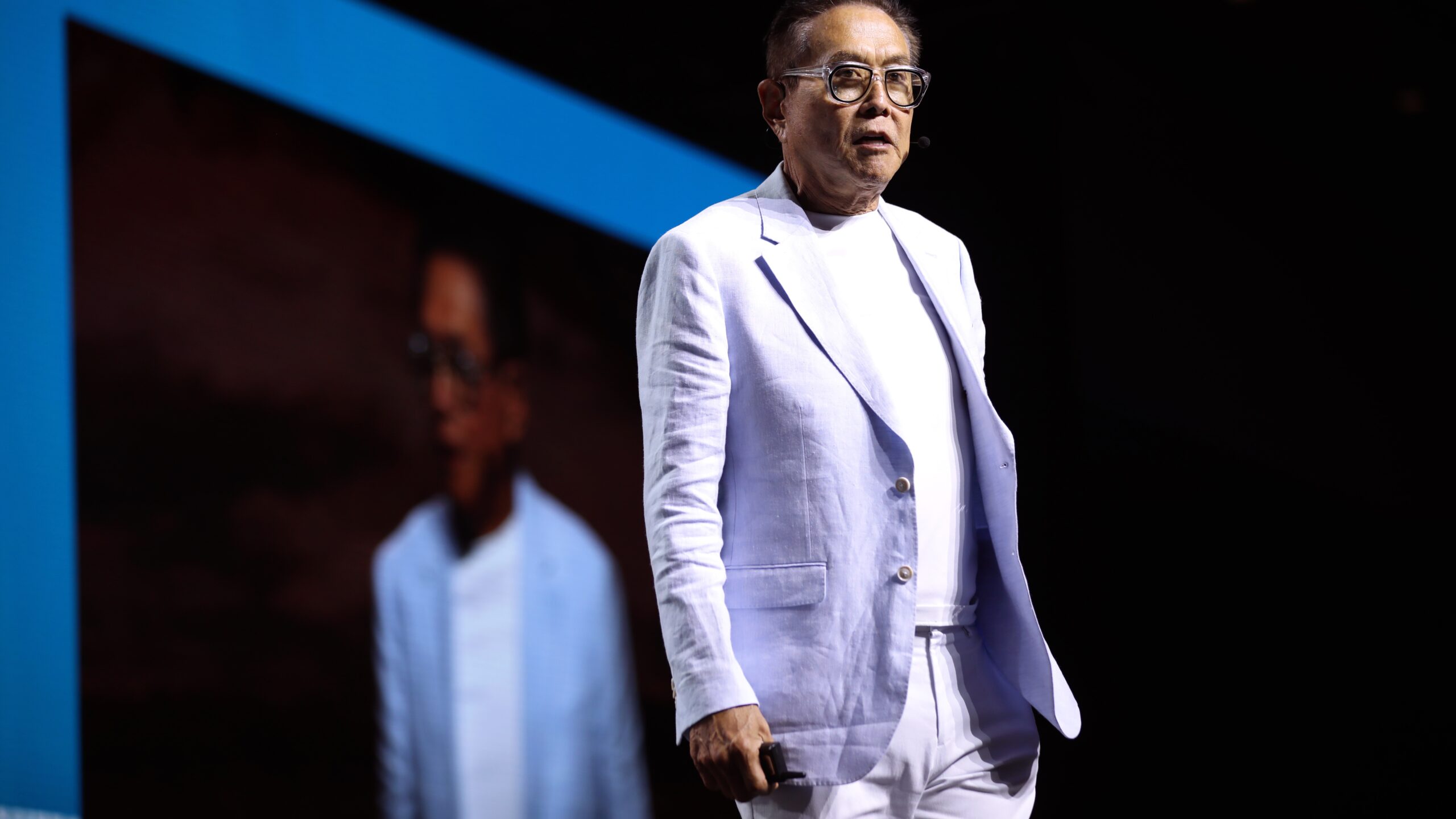
Robert Kiyosaki, the author of “Rich Dad Poor Dad,” has repeatedly warned that baby boomers face a financial reckoning that could leave many homeless as retirement safety nets erode. His alarm may sound extreme, but federal data on both homelessness and Social Security solvency suggest the underlying pressures are real and accelerating. More than 770,000 people experienced homelessness on a single night in January 2024, an 18% jump from 2023, and roughly one in five of them were 55 or older, a demographic that overlaps heavily with the boomer generation.
Older Adults Are the Fastest-Growing Homeless Group
The conventional image of homelessness skews younger, but the numbers tell a different story. The U.S. housing agency counted more than 770,000 people without stable housing on a single January 2024 night, representing an 18% increase over the prior year. That surge was driven by housing shortages, natural disasters, and migration pressures in certain cities, according to Associated Press reporting that drew on HUD and local officials. But the age breakdown is what should concern anyone approaching retirement: approximately 20% of people experiencing homelessness are 55 and older, and that cohort has a disproportionately high unsheltered rate, meaning they are more likely to sleep on streets rather than in shelters.
The triggers pushing older adults into homelessness for the first time differ sharply from those affecting younger populations. According to the federal homelessness council, common catalysts include the death of a spouse, divorce, sudden job loss, eviction, and serious health problems. Each of these events can collapse a household budget that was already running thin. Unlike younger workers who can rebuild income, a 62-year-old who loses a job and a lease simultaneously has far fewer recovery options, especially if Social Security benefits represent the only guaranteed income stream. The result is a growing group of older adults encountering homelessness for the first time late in life, often after decades of stable work and housing.
Social Security’s Shrinking Safety Net
That guaranteed income stream is itself under strain. The 2025 Trustees Report for Social Security projects that combined Old-Age and Survivors Insurance and Disability Insurance trust funds will deplete sooner than previously estimated, moving up the date when reserves are exhausted and only current payroll taxes are available to pay benefits. Once reserves run out, ongoing payroll tax revenue would cover only a percentage of scheduled benefits, not the full amount retirees were promised. Independent summaries of the trust fund reserves and revenue trajectory from congressional analysts confirm the downward trend. For a boomer relying on Social Security to cover rent, even a partial benefit cut could be the difference between housing stability and an eviction notice.
Kiyosaki’s warnings focus on asset bubbles and dollar devaluation, but the more immediate threat may be structural. Policy responses to rising homelessness have so far leaned on encampment bans and scattered local initiatives rather than large-scale housing production or benefit reform. The 2024 homelessness assessment to Congress documents the scale of the crisis in granular detail, yet the federal toolkit remains limited. While the administration outlines broad economic and housing priorities on the official White House site, translating those goals into on-the-ground protections for older renters has been slow. Without congressional action to shore up trust fund solvency or expand affordable housing stock, the gap between what older Americans need and what the system provides will keep widening.
Practical Steps to Reduce Personal Exposure
The most common advice in personal finance circles is to diversify income sources beyond Social Security, and that guidance holds. But a less discussed strategy involves timing. Older adults who anticipate a potential benefit reduction should stress-test their budgets against lower monthly checks well before any formal cuts occur. That means building a detailed spending plan that assumes a 20% to 25% reduction in benefits and then identifying which expenses could be cut, which debts must be eliminated, and whether downsizing housing is realistic. Running these scenarios early can reveal whether a current lifestyle is sustainable or whether a move to a cheaper region, shared housing arrangement, or senior community is necessary to avoid a future crisis.
Housing risk deserves special attention because it is both the largest expense and the hardest to adjust quickly. The federal government’s homelessness data infrastructure, including the HUD records portal, shows how quickly local conditions can deteriorate when rents outrun incomes. Older adults can reduce exposure by locking in longer leases where possible, prioritizing emergency savings specifically for housing costs, and exploring property tax abatements or rental assistance programs in their area. Even homeowners who feel secure should consider the impact of rising insurance premiums, maintenance, and medical costs on their ability to age in place. Kiyosaki’s broader point (that relying on a single income pillar is dangerous) applies most urgently to housing: diversifying where and how you live, and understanding local support options, can be as important as diversifying your investment portfolio.
More From The Daily Overview
*This article was researched with the help of AI, with human editors creating the final content.

Nathaniel Cross focuses on retirement planning, employer benefits, and long-term income security. His writing covers pensions, social programs, investment vehicles, and strategies designed to protect financial independence later in life. At The Daily Overview, Nathaniel provides practical insight to help readers plan with confidence and foresight.

