
Financial educator and author Robert Kiyosaki has raised alarms about an impending “Greater Depression,” cautioning that economic conditions could worsen significantly. Drawing from his insights and experiences, Kiyosaki discusses the potential impacts on global markets and individuals, emphasizing the importance of strategic financial planning.
The Warning Signs
Market volatility has become a significant concern for many financial analysts, including Robert Kiyosaki. He argues that the increased fluctuations in the stock market are indicative of deeper economic issues that could signal an impending downturn. Recent years have seen rollercoaster-like movements in major indices, leaving investors and analysts alike questioning the market’s stability. Kiyosaki suggests that these fluctuations are not just random occurrences but signs of more profound systemic issues that could lead to a more severe economic crisis.
Rising debt levels, both at the national and personal levels, further exacerbate these concerns. In the United States, national debt has reached unprecedented levels, raising alarms about the sustainability of such financial practices. Kiyosaki warns that the growing debt burden could lead to severe financial instability, potentially triggering a cascade of negative economic effects. On a personal level, many individuals are grappling with increased debt loads, from student loans to credit card debt, which could leave them vulnerable in an economic downturn.
Unemployment is yet another critical factor that Kiyosaki cites as a warning sign. He suggests that economic pressures could lead to rising unemployment rates, which would have broader implications for the economy. If businesses begin to struggle, layoffs could become more common, further straining an already fragile economic system. The potential for increased unemployment underscores the need for individuals to be proactive in their financial planning and to prepare for potential job market disruptions.
Kiyosaki’s Economic Predictions

Kiyosaki draws a stark comparison between current economic conditions and those of the 1930s Great Depression. He believes that the underlying issues facing today’s economy are reminiscent of the factors that led to that historic downturn. The combination of rising debt, market volatility, and unemployment concerns parallels the economic landscape of that era. Kiyosaki’s analysis suggests that without significant intervention and strategic planning, the global economy could be headed for a similar fate.
He has also provided a timeline for when he believes the “Greater Depression” might occur. According to his predictions, the most severe impacts could manifest as early as 2025. This timeline is based on current economic trends and historical data, suggesting that if corrective measures are not taken, the global financial system could face significant challenges. Kiyosaki’s warnings are not just theoretical but are grounded in observable trends and patterns that he believes point to an inevitable downturn.
The potential impact on global markets is another area of concern. A U.S.-centered economic downturn could have ripple effects across international financial systems, given the interconnected nature of today’s global economy. Kiyosaki warns that countries heavily reliant on the U.S. economy could face severe financial challenges if the predicted downturn comes to pass. This interconnectedness makes it imperative for individuals and governments alike to be vigilant and proactive in their financial planning and decision-making.
Investment Strategies to Consider

In light of these predictions, Kiyosaki advocates for diversification with precious metals as a key investment strategy. He believes that investing in gold and silver can serve as a hedge against economic downturns, offering stability in times of financial uncertainty. Precious metals have historically been seen as safe havens during periods of economic turmoil, and Kiyosaki suggests that they should be a part of any diversified investment portfolio.
Kiyosaki also sees cryptocurrency as a potential safe haven for investors looking to protect their wealth. He highlights Bitcoin and other cryptocurrencies as assets that could offer security in volatile times. The decentralized nature of cryptocurrencies and their limited supply make them attractive options for those seeking to safeguard their investments. Kiyosaki’s perspective aligns with a growing sentiment among investors who view digital currencies as viable alternatives to traditional financial assets.
Real estate is another area where Kiyosaki sees opportunities amidst economic chaos. He argues that real estate remains a stable investment, even during times of economic uncertainty. The tangible nature of property, coupled with its potential for generating passive income, makes it an appealing option for those looking to diversify their portfolios. Kiyosaki encourages investors to consider real estate as a long-term investment strategy, capable of weathering economic storms.
Critics and Supporters
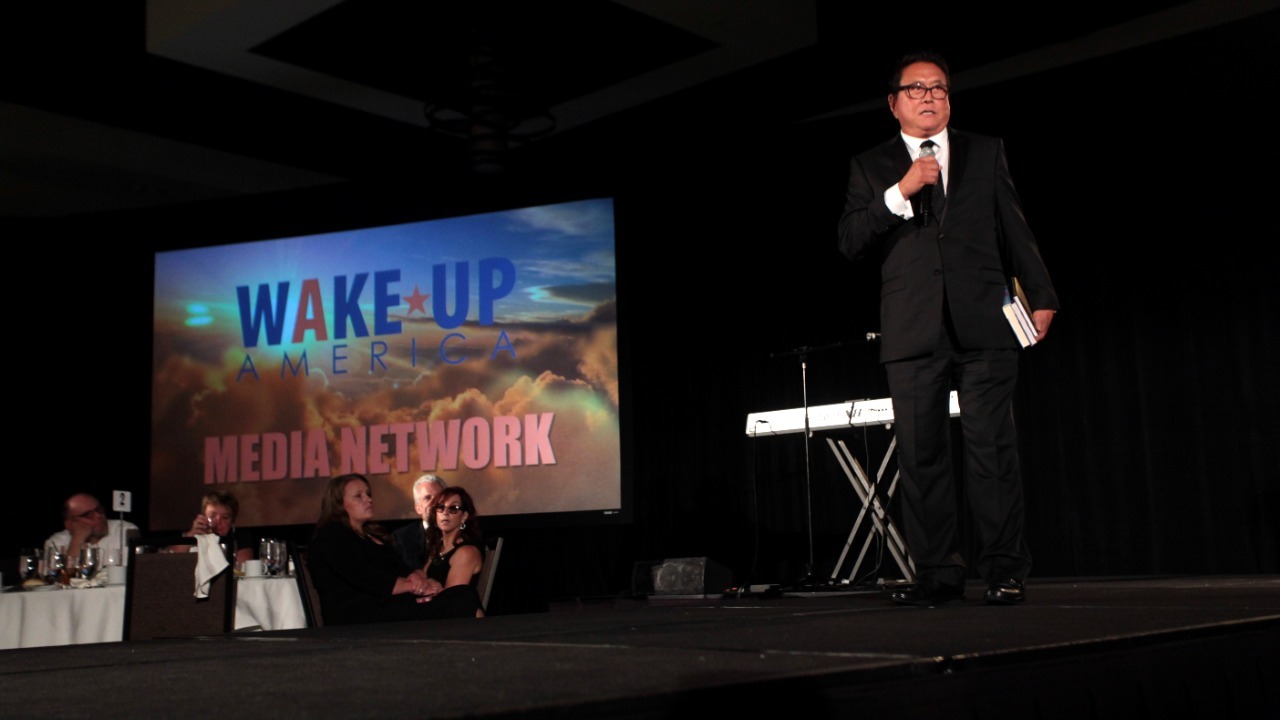
Despite his warnings, Kiyosaki faces skepticism from some economists who challenge his predictions. Critics argue that his comparisons to the Great Depression are exaggerated and that the current economic environment is fundamentally different from that of the 1930s. They point to advancements in financial systems and government interventions as mitigating factors that could prevent a similar economic collapse. These economists believe that while the economy faces challenges, a “Greater Depression” is not inevitable.
However, Kiyosaki also has his supporters among financial experts who share his concerns. Some financial advisors endorse his predictions, arguing that the underlying issues he highlights are indeed significant threats to global economic stability. These experts echo Kiyosaki’s calls for proactive financial planning and diversification, emphasizing the importance of being prepared for potential downturns.
The public reaction to Kiyosaki’s warnings has been mixed, with some individuals expressing concern and others dismissing his predictions as overly pessimistic. Nevertheless, his warnings have resonated with many, influencing investment behaviors and prompting individuals to reassess their financial strategies. The attention garnered by Kiyosaki’s predictions underscores the broader anxiety surrounding the current economic climate and the desire for actionable strategies to mitigate potential risks.
Preparing for Economic Uncertainty

In the face of potential economic uncertainty, financial education and literacy are more important than ever. Understanding financial principles and strategies can empower individuals to navigate turbulent times with confidence. Kiyosaki emphasizes the need for individuals to educate themselves about financial planning, investments, and risk management to better prepare for potential economic challenges.
Building emergency funds is a crucial step in preparing for economic disruptions. Kiyosaki advises individuals to have liquid assets readily available to weather financial storms. An emergency fund can provide a safety net in times of unexpected expenses or job loss, offering peace of mind and financial security. The importance of having such a fund cannot be overstated, especially in uncertain economic climates.
Long-term financial planning is another essential component of preparing for potential economic downturns. Kiyosaki encourages readers to develop comprehensive financial strategies that account for various scenarios, including potential economic challenges. By taking a proactive approach to financial planning, individuals can position themselves to better withstand economic uncertainties and protect their financial well-being for the future.

Grant Mercer covers market dynamics, business trends, and the economic forces driving growth across industries. His analysis connects macro movements with real-world implications for investors, entrepreneurs, and professionals. Through his work at The Daily Overview, Grant helps readers understand how markets function and where opportunities may emerge.

