
The year 2025 brings new opportunities and considerations for retirees looking to optimize their tax situations through Roth conversions. With the introduction of Trump’s new $6,000 senior deduction, there are strategic ways to minimize tax liabilities. However, it’s crucial to navigate these changes carefully to avoid potential pitfalls.
Understanding Roth Conversions
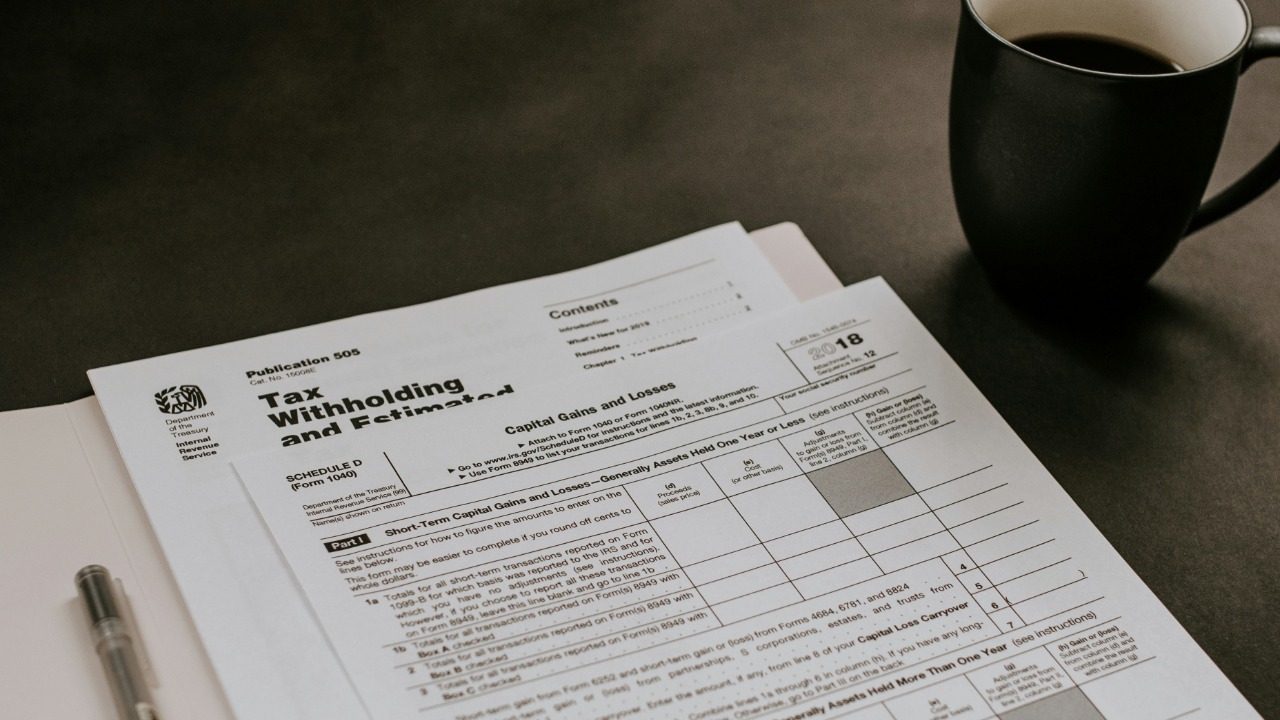
Roth conversions are an essential tool in retirement planning, allowing individuals to move funds from a traditional IRA into a Roth IRA. This process can offer significant long-term tax benefits, primarily because Roth IRA withdrawals are tax-free after the age of 59½, provided the account has been open for at least five years. This can be particularly advantageous in retirement when managing cash flow and minimizing taxes is critical. By paying taxes on the converted amount now, retirees can potentially reduce their taxable income in future years, when tax rates may be higher.
Timing a Roth conversion in 2025 requires careful consideration of various factors. Market conditions can play a significant role; converting when the market is down means you’re converting a smaller balance, hence paying less in taxes. Additionally, personal circumstances, such as expected future income and tax rate changes, should be taken into account. It’s also crucial to think about withdrawal needs, ensuring that you have enough liquidity to cover living expenses without incurring penalties.
Exploring Trump’s New $6,000 Senior Deduction

The 2025 senior deduction, introduced under Trump’s tax policy, provides a new avenue for reducing taxable income for seniors. This deduction, valued at $6,000, is designed specifically for individuals aged 65 and older. It comes as a welcome addition to existing tax benefits for seniors, aiming to alleviate some of the financial burdens faced by retirees. Unlike previous deductions, this one is straightforward, with eligibility primarily determined by age, ensuring that many seniors can take advantage of it.
Maximizing tax savings with the new senior deduction involves strategic planning, particularly when paired with a Roth conversion. By combining the senior deduction with a Roth conversion, retirees can potentially reduce their taxable income significantly. For instance, a retiree with a $60,000 annual income could see their taxable income drop to $54,000 by utilizing the deduction, thus lowering their overall tax liability. This strategy can be especially beneficial for those in lower to middle-income brackets, where every dollar saved can make a substantial difference.
Strategic Approaches to Tax Reduction

Leveraging tax brackets and deductions effectively can be a powerful strategy during a Roth conversion. Understanding the tax brackets and how your income falls within them allows for precise planning. For example, if you’re on the cusp of a higher tax bracket, you might choose to convert only a portion of your IRA to avoid crossing into a more expensive tax bracket. Coupling this with available deductions and credits can further optimize tax outcomes, ensuring you’re not overpaying on taxes unnecessarily.
However, it’s essential to be aware of common pitfalls in Roth conversions, such as inadvertent tax traps. For example, converting too much in one year can lead to a higher tax bracket, negating potential savings. Additionally, the impact of Social Security taxation and Medicare premiums should be considered. A higher income due to a Roth conversion could lead to increased taxation of Social Security benefits or higher Medicare premiums, known as the Income-Related Monthly Adjustment Amount (IRMAA). Understanding these nuances is crucial to avoid unexpected costs.
Consulting with Financial Professionals

Given the complexities involved in Roth conversions and the new senior deduction, consulting with financial professionals is highly recommended. Financial advisors and tax professionals can provide valuable insights into the timing and amount of a conversion, helping to maximize potential tax benefits. They can offer personalized advice tailored to your unique financial situation, ensuring that your retirement plan aligns with your long-term goals.
When discussing a Roth conversion with your financial advisor, it’s important to address key considerations and questions. Ask about the potential impact of the conversion on your overall tax situation and how it fits into your retirement strategy. Understanding the long-term implications, including any changes in tax legislation that might affect you, is essential. These discussions can provide clarity and direction, helping you make informed decisions about your financial future.
The Future of Tax Planning for Retirees
As tax legislation evolves, it’s crucial for retirees to stay informed about potential changes that may affect Roth conversions and senior deductions. Future tax laws could alter the landscape significantly, impacting the benefits of these strategies. Keeping abreast of legislative updates and understanding how they might influence your retirement plan can help in adapting your strategies accordingly.
Adapting retirement strategies to accommodate new tax landscapes requires flexibility and foresight. As policies change, evaluating the benefits of ongoing Roth conversions as part of your retirement strategy can ensure you remain on track to meet your financial goals. Regularly reviewing your plan and adjusting it to reflect current and anticipated tax environments can provide peace of mind and financial security.

Nathaniel Cross focuses on retirement planning, employer benefits, and long-term income security. His writing covers pensions, social programs, investment vehicles, and strategies designed to protect financial independence later in life. At The Daily Overview, Nathaniel provides practical insight to help readers plan with confidence and foresight.


