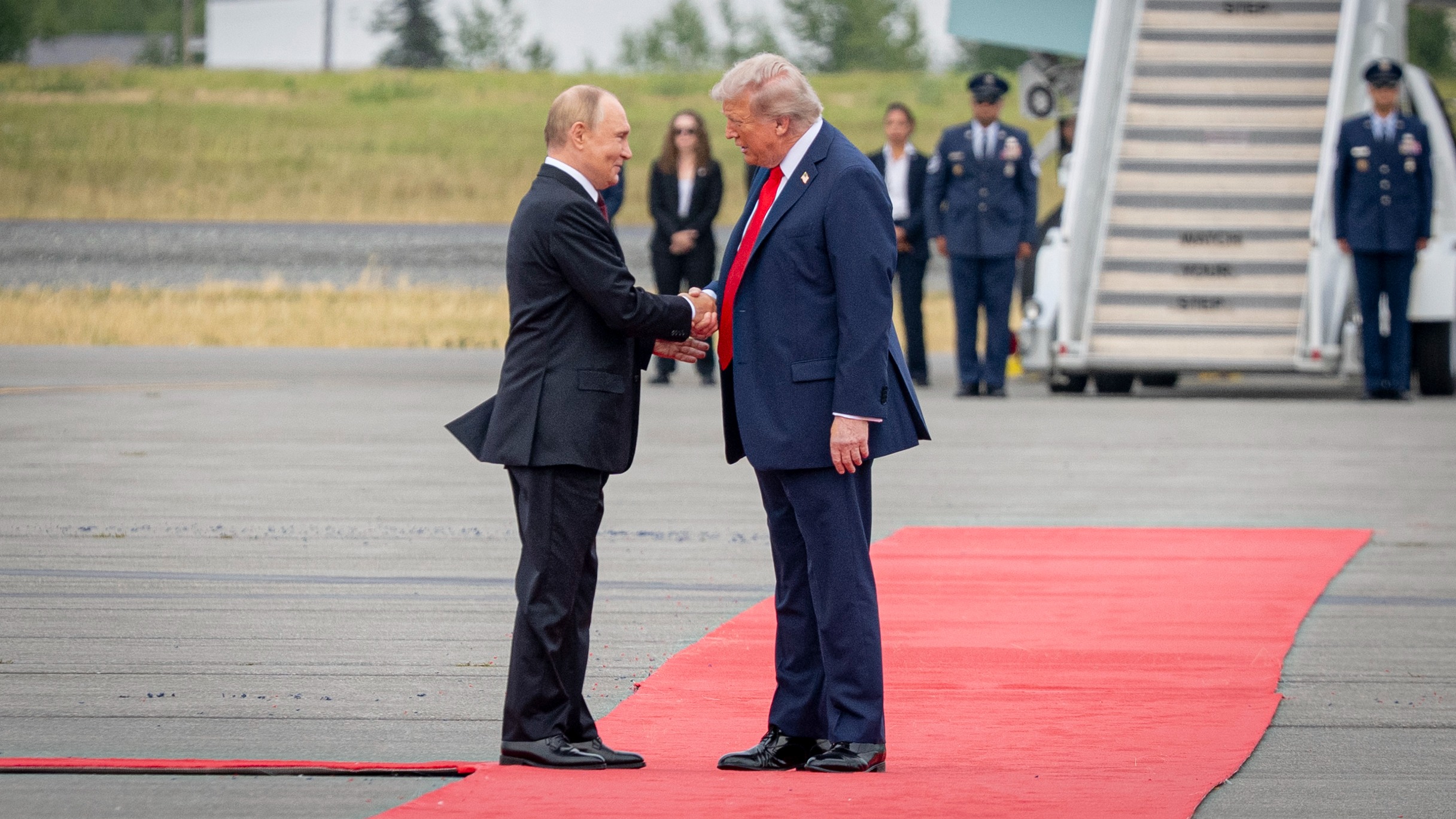
Russia’s talk of bringing back the dollar through a Trump-Putin business deal runs into the hard rules of U.S. sanctions and entrenched global reserve habits. Any such move would have to cut through formal restrictions built to keep many Russian entities away from easy dollar clearing, and those rules now shape almost every Russian transaction that touches the U.S. currency.
The dollar still anchors a large share of global reserves and trade, which helps explain why Moscow might want a path back to it even after years of de-dollarization rhetoric. At the same time, Washington’s official posture toward Russia, and the way sanctions are written and enforced, indicates that any future “deal” would likely mean slow, technical adjustments inside a rigid framework rather than a fast return to business as usual.
How sanctions fence off the dollar
The starting point for any discussion of a dollar comeback is the formal sanctions regime that defines what Russian entities can and cannot do with U.S. currency. The Office of Foreign Assets Control, through its main Russia file on Russia sanctions, groups designations and directives that affect dollar clearing and counterparties. This framework shapes how banks handle transactions that might pass through the U.S. system and gives Washington the power to block named entities from using correspondent accounts that are essential for routine dollar payments.
Because this OFAC file is an authoritative U.S. government record, it serves as the baseline for what is legally possible in any Trump-Putin business arrangement. At one recent review point, the Russia page listed 698 sanctions-related entries, including individuals, banks, and companies tied to Russia, underscoring how broad the program has become. Within that framework, banks must treat listed parties as blocked or restricted, so a political handshake alone would not reopen dollar channels if the underlying rules still tell compliance departments to stop or report those payments.
Diplomatic posture and the Trump puzzle
Sanctions are not just technical tools; they also express official U.S. policy toward Russia. The State Department’s main file on bilateral ties, found under its page on relations with Russia, sets out that posture in formal language. It explains how Washington uses sanctions and limited economic engagement as tools to respond to Russian actions and frames those tools as part of a broader strategy rather than as isolated financial measures.
This document is presented as an official statement of U.S. government policy, making it a reference point for how the executive branch explains its Russia stance to Congress, allies, and markets. That framing means a sudden, informal “deal” that restores broad dollar access would be hard to square with the written policy unless the narrative changed in public at the same time. Any Trump-era or later attempt to alter course would have to address not only legal text but also this diplomatic description that ties sanctions to core U.S. interests and security goals.
Why the dollar still matters to Moscow
Discussion of Russia returning to the dollar only makes sense if the currency still holds a special place in the global system. The International Monetary Fund’s database on currency reserves, known as COFER, is designed to show the currency composition of official foreign exchange reserves worldwide. The IMF describes COFER as a recognized international dataset that tracks the global share of the U.S. dollar in reported official reserves.
While the data is not Russia-specific, it offers a benchmark for how central the dollar remains for central banks as a store of value and a settlement currency. In one example year in the COFER series, the dollar accounted for about 66 percent of reported reserves, signaling that many central banks, including some from countries with political tensions with Washington, still rely on it. That global pattern helps explain why Russian policymakers may see practical value in preserving or restoring some access to the dollar for trade or reserves, even as public messaging promotes the ruble or other currencies. The IMF also notes that COFER is not meant to describe any single country’s internal policy, so claims about Moscow’s exact reserve mix go beyond what the dataset can verify.
The legal limits of a Trump-Putin “deal”
With sanctions and global reserve habits in view, the idea of a Trump-Putin business deal that “brings back the dollar” looks less like a single event and more like a series of legal and administrative steps. The OFAC Russia file is not a political speech; it is a working manual for compliance teams that describes designations, directives, and restrictions affecting dollar clearing and counterparties. For banks, those instructions are binding until they are formally changed, regardless of what political figures might suggest in public.
Even if a future administration wanted to relax restrictions, it would have to revise or suspend specific measures inside the Russia sanctions program, such as changing a directive labeled with a number like 01 or updating a general license identified with a code such as 27, and those steps would quickly become visible to Congress and allies. Banks and companies also rely on internal reference numbers, which can look like 023488 in a case file, to track how they apply these rules. The State Department’s policy file on U.S. relations with Russia would likely need to be updated as well to explain why Washington was changing course. Without such formal shifts, banks would remain guided by written rules, not by public remarks, and coverage that treats a Trump-Putin “deal” as a matter of personal rapport risks missing this slow, document-heavy process.
De-dollarization narratives meet reserve reality
Many recent commentaries suggest that Russia has already moved beyond the dollar and that any talk of a return is mostly symbolic. The IMF’s COFER database complicates that claim. By presenting the currency composition of official foreign exchange reserves as a global aggregate, it shows that the dollar still holds the biggest share in the dataset, even as other currencies gain some ground. The database is explicit that it provides a benchmark for the global U.S. dollar share and that it is not tailored to Russia’s own reserve policy, which limits what it can say about Moscow’s exact position.
The fact that COFER remains a standard reference for global dollar use suggests that the currency’s role is more resilient than some de-dollarization narratives imply. Policymakers and analysts use this benchmark to track long-term trends, and so far it points to a gradual shift rather than a sudden exit from the dollar system. When that global picture is compared with Russia-focused rhetoric about abandoning the dollar, a clear tension appears: the incentives created by a dollar-dominated reserve system remain strong, even for states under sanctions. That tension helps explain why a Trump-Putin business deal framed around dollar access can attract attention, even if the legal and diplomatic barriers documented by OFAC and the State Department make such a deal difficult to turn into rapid, sweeping change.
More From The Daily Overview
*This article was researched with the help of AI, with human editors creating the final content.

Grant Mercer covers market dynamics, business trends, and the economic forces driving growth across industries. His analysis connects macro movements with real-world implications for investors, entrepreneurs, and professionals. Through his work at The Daily Overview, Grant helps readers understand how markets function and where opportunities may emerge.

