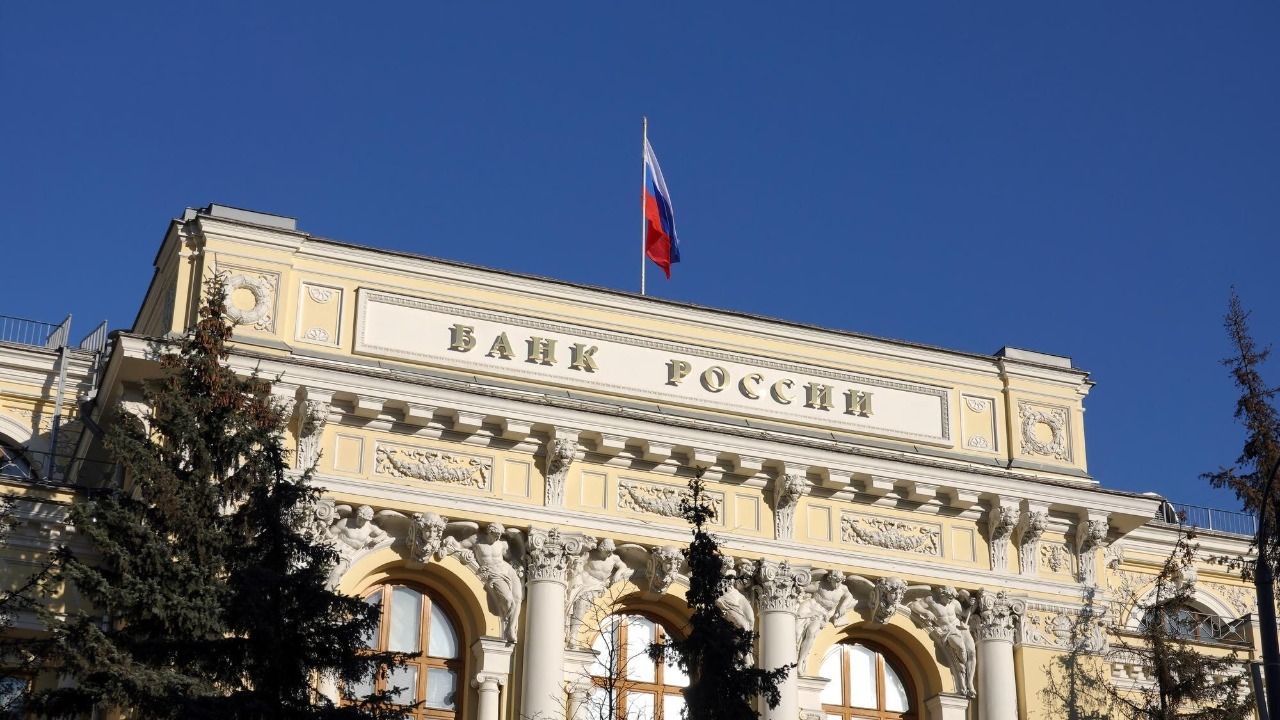
Russia’s central bank cut its benchmark interest rate by 50 basis points on February 7, 2025, lowering the key rate from 16% to 15.5% and signaling that more easing may follow if inflation behaves as expected. In its guidance, the Bank of Russia said it would assess the need for a further key rate cut at its upcoming meetings, tying any additional moves to the way price pressures evolve through the year. That message places the latest decision firmly inside a broader 2025 easing cycle that is already filtering through to Russian borrowing costs and shaping expectations for households, companies, and the government.
The Rate Cut Decision
The Bank of Russia’s latest move was a 50 basis point reduction that shifted the key rate from 16.00% to 15.50% at its February 7 policy meeting. According to the Primary decision document, the vote was unanimous and framed as part of a cautious pivot away from the emergency-level tightening that had dominated policy in previous quarters. The statement also spelled out that the Bank would “assess the need for a further key rate cut at its upcoming meetings,” indicating that officials are not committing to a preset path but are leaving the door open for more reductions if the data allow it.
The timing and language of the move were confirmed by a Major state wire that reproduced key excerpts of the central bank’s communication. That report highlighted how the CBR described the 50 basis point step as consistent with its medium-term inflation target while stressing that the decision was shaped by both current price dynamics and expectations for 2025 and 2026. By aligning the official press release with the independent Evidence trail, the Bank signaled a clear intention to manage market expectations around the pace and scale of any further easing.
Drivers of January Inflation Spike
Central to the Bank of Russia’s argument for a cautious 50 basis point cut was an unusually sharp acceleration in prices at the start of the year. In its Provides the rationale, the Bank said the January spike was driven largely by one-off factors: the pass-through of higher VAT, increases in excise duties, adjustments in regulated tariffs, and a jump in fruit and vegetable prices. These elements, the Bank argued, temporarily lifted headline inflation but did not necessarily signal a renewed, broad-based surge in underlying pressures.
Governor Elvira Nabiullina expanded on that diagnosis in a detailed briefing that the central bank presented as a Primary event transcript. In that speech, which Contains granular explanations, she described how the timing of the VAT pass-through, higher excises, volatile food categories, and weather-related spikes in heating costs all combined to push prices higher in January. According to the Bank, these factors are expected to fade as the year progresses, which gave policymakers some confidence to begin trimming rates while still warning that the inflation picture remains complex.
Bank’s Inflation Outlook and Policy Rationale
Beyond those one-off shocks, the Bank of Russia devoted considerable attention to measures of underlying inflation that strip out the most volatile items. In the Primary decision document, officials argued that these core indicators had started to stabilize after a period of intense pressure, even as headline inflation was temporarily lifted by the January factors. The Bank also described a “redistribution” of inflation pressures between late 2025 and early 2026, suggesting that some of the price acceleration expected earlier may instead materialize later, which in its view slightly widens the window for gradual easing now.
This monetary assessment sits within a wider economic and fiscal backdrop described by Reputable reporting on Russia’s budget stance and inflation expectations. That overview notes that the Bank of Russia has had to weigh the impact of government spending and sanctions-related constraints on supply against the need to stabilize prices and support growth. The result is a policy rationale that pairs the technical reading of core inflation and its “redistribution” into late 2025 and early 2026 with a recognition that fiscal choices and external pressures could still re-ignite price growth if the Bank eases too quickly.
Signals for Future Easing
The most closely watched part of the February statement was the forward guidance that the Bank would “assess the need for a further key rate cut at its upcoming meetings.” That line, set out in the Provides the document, was deliberately conditional and framed around incoming data on inflation, inflation expectations, and economic activity. Rather than promising a steady sequence of cuts, the Bank of Russia signaled that each decision will depend on how quickly the January price spike fades and whether core measures continue to move closer to target.
The same conditional tone appeared in the Useful excerpts carried by the state wire, which emphasized that further easing would only be considered if inflation risks remained contained. In that coverage, the CBR is quoted as stressing that the next steps are tied to the persistence of one-off factors and the trajectory of expectations, echoing the careful language of the official release. For markets, that combination of a 50 basis point move and guarded guidance suggests a central bank that is open to more cuts but prepared to pause if the data send a different signal.
Broader Economic Implications
The February decision did not come out of nowhere. It followed earlier steps in what one Context for the report describes as the start of the 2025 easing cycle, when the Bank of Russia began trimming its benchmark after a prolonged period of high rates. Those earlier moves, including an initial reduction that set the stage for a later 50 basis point cut, were justified by signs that inflation was cresting and that very tight policy was weighing heavily on credit and investment. Together, they form a narrative in which the central bank is trying to shift from crisis-fighting mode to a more balanced stance without losing control of prices.
Financial markets and borrowers have already started to feel the impact. According to FT analysis, the easing cycle in 2025 has begun to lower funding costs for Russian banks and large corporates, which in turn can translate into cheaper loans for households and smaller firms. Analysts cited in that FT piece argue that a sustained series of cuts, even in 50 basis point steps, could gradually revive borrowing and investment, although the effect on growth and inflation will depend heavily on how persistent the underlying price pressures remain.
Uncertainties Ahead
Despite the clear signal that more easing is possible, the Bank of Russia has repeatedly stressed that its path is data dependent and could change if inflation behaves differently from its baseline. The Primary document highlights the risk that the January spike may not fully unwind or that new shocks could emerge, forcing policymakers to slow or even pause the cycle of 50 basis point cuts. In her Primary briefing, Nabiullina reinforced that message by pointing to the uncertainty around how quickly Contains factors like VAT pass-through and volatile food prices will fade, and how strongly expectations will respond.
Independent coverage echoes that sense of conditionality. The Evidence carried by the state wire underscores the Bank’s emphasis on vigilance, noting that officials are prepared to reconsider their stance if inflation risks intensify again. At the same time, broader Reputable reporting on Russia’s economy suggests that the central bank faces a delicate balance between supporting growth and preventing a renewed surge in prices. That tension means the February 50 basis point cut is unlikely to be the last word on policy in 2025, even if the Bank is careful not to pre-commit to a specific timeline for future moves.
How Markets and Households May Respond
For financial markets, the combination of a 50 basis point cut and data-dependent guidance provides both relief and uncertainty. The start of the 2025 easing cycle, described in the Context for the overview, had already encouraged investors to price in a gradual decline in Russian borrowing costs, and the February decision reinforces that expectation. At the same time, the Bank of Russia’s insistence that it will “assess the need” for further cuts at each meeting means that bond yields and currency moves will likely remain sensitive to every new inflation print and policy signal.
For households and businesses, the immediate impact of moving from 16% to 15.5% is modest, but the direction of travel matters. As the FT analysis suggests, even incremental reductions can gradually lower mortgage rates, consumer loan costs, and the price of credit for investment projects if banks pass on the savings. Whether that translates into stronger spending and capital formation will depend on confidence in the inflation outlook and on how the Bank of Russia navigates the remaining uncertainties around one-off price shocks, fiscal policy, and external pressures.
More From The Daily Overview
*This article was researched with the help of AI, with human editors creating the final content.

Grant Mercer covers market dynamics, business trends, and the economic forces driving growth across industries. His analysis connects macro movements with real-world implications for investors, entrepreneurs, and professionals. Through his work at The Daily Overview, Grant helps readers understand how markets function and where opportunities may emerge.

