Criminals have figured out that the easiest way to beat bank security is to go straight to the source: the person holding the card. Instead of hiding behind anonymous phishing emails, they are now showing up, literally and figuratively, at front doors to separate people from their debit cards and PINs. I want to walk through how these schemes work, why debit cards are such an attractive target, and the specific steps that can keep your money out of their hands.
The new twist is not high tech, it is social engineering wrapped in the appearance of urgency and authority. Scammers lean on phone calls, doorstep visits, and even fake couriers to pressure victims into handing over cards or card details, then drain accounts before anyone has time to react. Understanding the patterns is the first line of defense, because once you recognize the script, you can shut it down fast.
How the “front door” debit card con really works
The core of the current wave of debit card scams is simple: convince you that your card is in danger, then get you to reveal or surrender it before you can verify anything. In one pattern highlighted in a social media warning, Michelle Lau Reynoso describes how victims are pressured over the phone and then told what to do next as if they are following official instructions. The hook is always the same: your money is supposedly at risk right now, and only immediate cooperation will save it.
Police in Woodstock, Ontario, have documented a version of this called a bank courier scam, where Victims receive a call that appears to come from a real bank number and are told their card has been compromised. They are instructed to cut up their cards but leave the chip or tap area intact, place them in an envelope, and either hand them to a courier or leave them for pickup at the door, after which fraudsters use the intact chip to drain accounts or run up charges. In a related warning, a sheriff’s office notes that Once suspects have card information, they keep calling back to see if they can squeeze out more money, showing how persistent and organized these operations can be.
Why scammers are suddenly obsessed with debit cards
Debit cards are especially attractive to criminals because they are a direct line into your bank account, with fewer built in protections than many credit cards. Reporting on the newest wave of fraud notes that, for criminals, debit cards offer the closest thing to cash, and that is why the Why behind these schemes is so important to understand. Once a thief has your card and PIN, they can empty an account at an ATM or run high value purchases before you even realize anything is wrong.
On top of that, debit fraud can be harder to unwind, because the money that disappears is your own, not a lender’s. Guidance on credit card and stresses that you should use secure payment methods and make sure online accounts have different passwords, precisely because unauthorized access can lead straight to your balances. That is why scammers are willing to stake out front doors or send fake couriers: a single successful hit can be worth tens of thousands of dollars.
The doorstep playbook: calls, couriers and fake emergencies
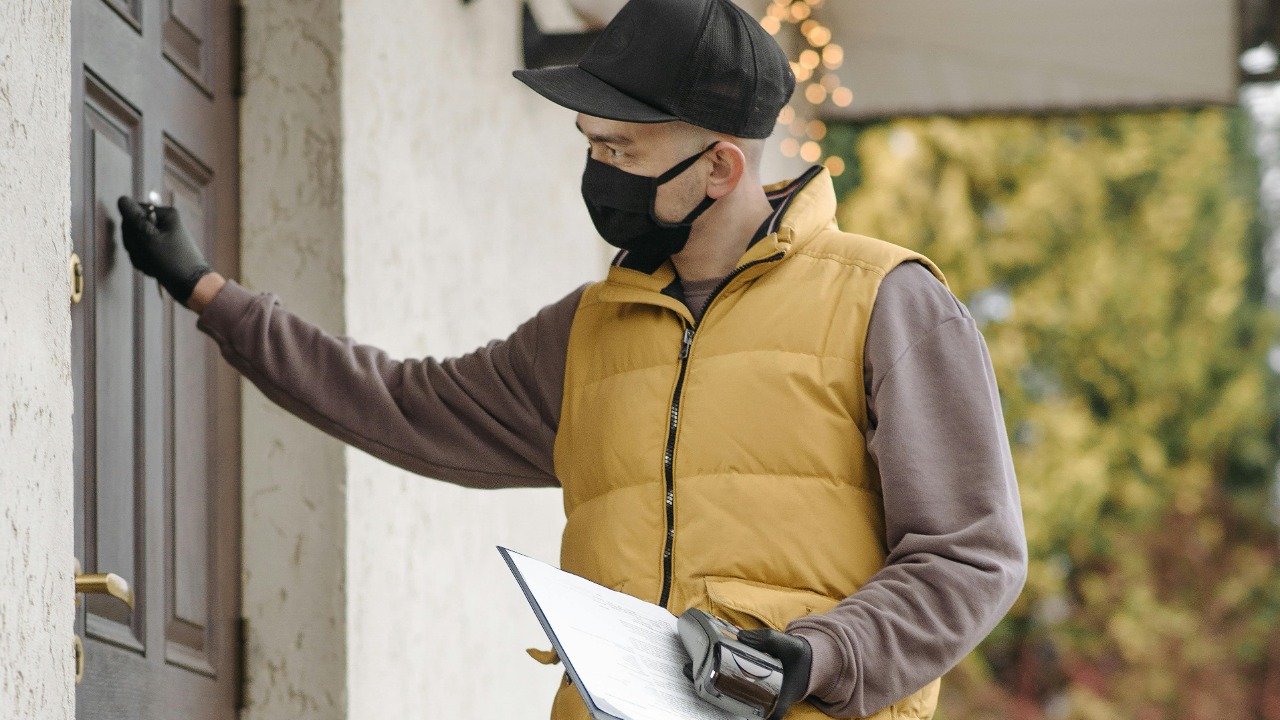
What makes these schemes feel so convincing is how closely they mimic legitimate security outreach. In the Woodstock cases, callers used real bank names like RBC, CIBC and Scotiabank, along with reference numbers and even fake “IT issues,” to sound credible before sending a supposed courier to collect envelopes of cards from homes and apartment lobbies, according to the caller ID details described in that alert. The visual of a uniformed person at the door, or a package style pickup, is meant to short circuit skepticism and make the whole interaction feel like routine banking logistics.
Security experts describe these as a form of doorstep scam, where criminals show up uninvited and use pressure, charm or fear to get inside your home or your wallet. One guide to what are doorstep urges people to Stick to simple rules: Never let strangers into your home, and You can say no to any offer, charity request or service that arrives out of the blue. Those same principles apply when the “product” is supposedly fraud protection on your bank account.
Beyond the porch: skimmers, ghost tapping and online tricks
The front door schemes are only one piece of a broader debit card threat landscape that also includes skimmers, phishers and hackers. A detailed explainer on card fraud notes that Skimmers are devices installed on ATMs and point of sale terminals to capture card data, and that What criminals do with that information can range from cloning cards to using stolen details in online purchases. Understanding Skimming and related tactics helps put the doorstep scams in context: whether thieves get your card at the machine or at your front door, the end goal is the same.
There is also a growing concern about “ghost tapping,” where criminals use hidden devices to intercept contactless card data in crowded places. A consumer segment released in Oct explains that these attacks can happen in seconds or less and that you are the best defense when protecting your money, by staying aware of where and how you tap to pay. At the same time, some banks and credit unions point out that contactless payments can actually reduce skimming risk because there is Physical Card Interaction with a compromised reader, Since you do not swipe or insert the card, which removes one common attack surface.
How to shut down the scam before it reaches your bank account
The most effective defense against these schemes is to treat any unsolicited contact about your debit card as suspicious until you verify it yourself. A recent analysis of the newest scam targeting American debit cards urges people to take Small steps like checking your zip code against known problem areas, and it emphasizes that if something seems off, trust your instincts. I would add a simple rule: if someone calls you about your card, hang up and call the number on the back of the card instead, using a different phone if possible.
Financial regulators recommend that you Monitor your accounts regularly, Set up alerts for all transactions, and Avoid It by using secure payment methods and strong, unique passwords for online banking. If you spot unauthorized activity or realize you have been targeted, you should immediately contact your bank and then file a report with federal authorities through the reporting portal, which helps investigators track patterns and warn others. Guidance on How to report debit card fraud notes that Filing complaints with agencies like the U.S. Postal Inspection Service can be especially important when scams involve mail or package style pickups.
Front door schemes also intersect with more traditional card tampering, which is why experts urge people to watch for physical signs of trouble at payment terminals. A recent warning about criminals staking out homes to intercept cards also advises shoppers to look out for loose components on debit card readers at merchants, since that can indicate a machine has been altered, and it links those red flags to broader advice on How to avoid online scams as well. Taken together, the message is clear: treat your debit card like a key to your home, never hand it to a stranger at the door, and build habits that make it harder for scammers to turn a single moment of pressure into a financial disaster.
More From TheDailyOverview
*This article was researched with the help of AI, with human editors creating the final content.

Grant Mercer covers market dynamics, business trends, and the economic forces driving growth across industries. His analysis connects macro movements with real-world implications for investors, entrepreneurs, and professionals. Through his work at The Daily Overview, Grant helps readers understand how markets function and where opportunities may emerge.