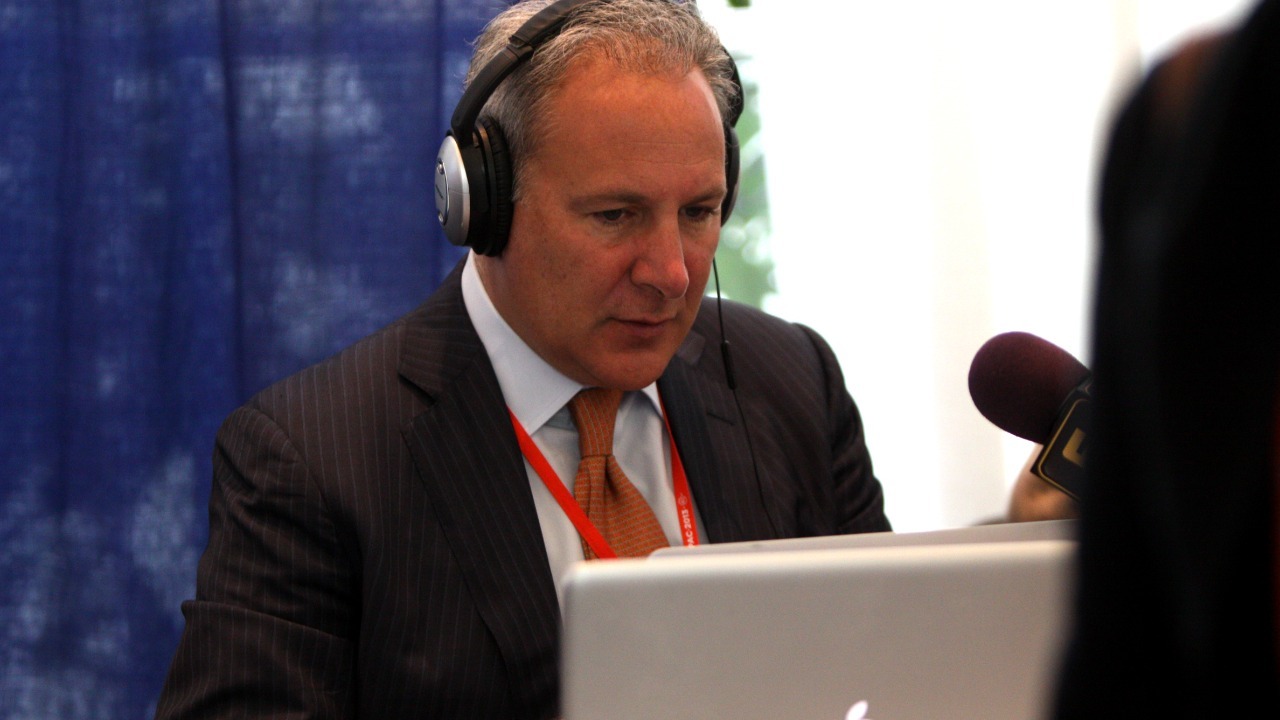
Economist Peter Schiff has suggested that President Donald Trump will use a recent Supreme Court ruling on tariffs as a convenient ‘scapegoat’ for an anticipated recession. Schiff argues that the court’s decision effectively provides Trump with political cover for any economic downturn, allowing him to deflect blame onto external factors. This analysis comes amid discussions about how the ruling might influence Trump’s trade policies, potentially prompting a shift in his tariff strategy. Schiff’s perspective highlights the timing and implications of the ruling as of November 6, 2025.
Peter Schiff’s Critique of the Supreme Court Ruling
Peter Schiff, a well-known economist, has been vocal about his belief that President Trump will leverage the Supreme Court’s recent decision on tariffs as a ‘scapegoat’ for an impending recession. Schiff asserts that the ruling provides Trump with an opportunity to attribute economic challenges to factors beyond his control. According to Schiff, this move by the court is essentially doing Trump ‘a favor’ by offering him a politically advantageous narrative to explain potential economic difficulties. Schiff’s comments, as reported by Benzinga, underscore his critical view of the ruling’s impact on the current administration.
Schiff’s analysis is rooted in his extensive background as an economist, where he has consistently critiqued government policies that, in his view, fail to address underlying economic issues. He argues that by blaming the Supreme Court’s decision, Trump can sidestep accountability for economic policies that may contribute to a recession. Schiff’s insights, shared on November 6, 2025, reflect his broader skepticism about the administration’s economic strategies and the potential consequences of relying on tariffs as a primary tool for trade negotiations.
Background on the Supreme Court’s Tariff Decision
The Supreme Court’s ruling on tariffs has emerged as a significant moment for U.S. economic policy under President Trump. The decision focuses on the legality and scope of presidential authority in imposing tariffs, potentially reshaping how such trade measures are implemented. According to a report by Inkl, the ruling could influence Trump’s approach to trade by either constraining or expanding his ability to impose tariffs unilaterally.
This ruling is pivotal as it comes at a time when trade policies are under intense scrutiny, both domestically and internationally. The decision could redefine the boundaries of executive power in trade matters, impacting not only current policies but also setting precedents for future administrations. As the ruling unfolds, stakeholders are closely watching how it will affect the broader economic landscape and the administration’s trade strategy.
Potential Shifts in Trump’s Tariff Strategy
The Supreme Court’s decision may prompt President Trump to reconsider his tariff strategy, potentially leading to significant shifts in how tariffs are employed as a tool of economic policy. The ruling provides a framework that could either limit or enhance Trump’s ability to impose tariffs, depending on how the administration interprets and applies the court’s findings. This potential shift is highlighted in the Inkl report, which suggests that the ruling could push Trump toward adopting a new approach to tariffs.
Such a shift could have far-reaching implications for international trade relations and domestic economic conditions. If Trump opts to adjust his tariff strategy in response to the ruling, it could lead to changes in trade negotiations and agreements with key partners. The flexibility or constraints imposed by the court’s decision will likely play a crucial role in shaping the administration’s future trade policies, with potential impacts on industries and consumers alike.
Economic Ramifications and Political Spin
Schiff predicts that the Supreme Court ruling will serve as a political shield for Trump amid economic challenges, particularly if a recession materializes. He argues that the decision allows Trump to deflect blame for economic downturns onto the court’s ruling, rather than his administration’s policies. This perspective suggests that the ruling could be used strategically to manage public perception and political accountability during economic turbulence.
The interplay between the court’s decision and broader economic forecasts is a critical aspect of Schiff’s analysis. As the ruling potentially influences tariff policies, it could also impact economic indicators such as trade balances, inflation, and employment rates. Schiff’s prediction of a recession tied to tariff policies underscores the stakes involved, highlighting the need for careful consideration of the ruling’s implications for both economic stability and political dynamics.
More From TheDailyOverview
- Dave Ramsey says these two simple questions show whether you’re rich or poor
- Retired But Want To Work? Try These 18 Jobs for Seniors That Pay Weekly
- IRS raises capital gains thresholds for 2026 and what’s new
- 12 ways to make $5,000 fast that actually work

Grant Mercer covers market dynamics, business trends, and the economic forces driving growth across industries. His analysis connects macro movements with real-world implications for investors, entrepreneurs, and professionals. Through his work at The Daily Overview, Grant helps readers understand how markets function and where opportunities may emerge.

