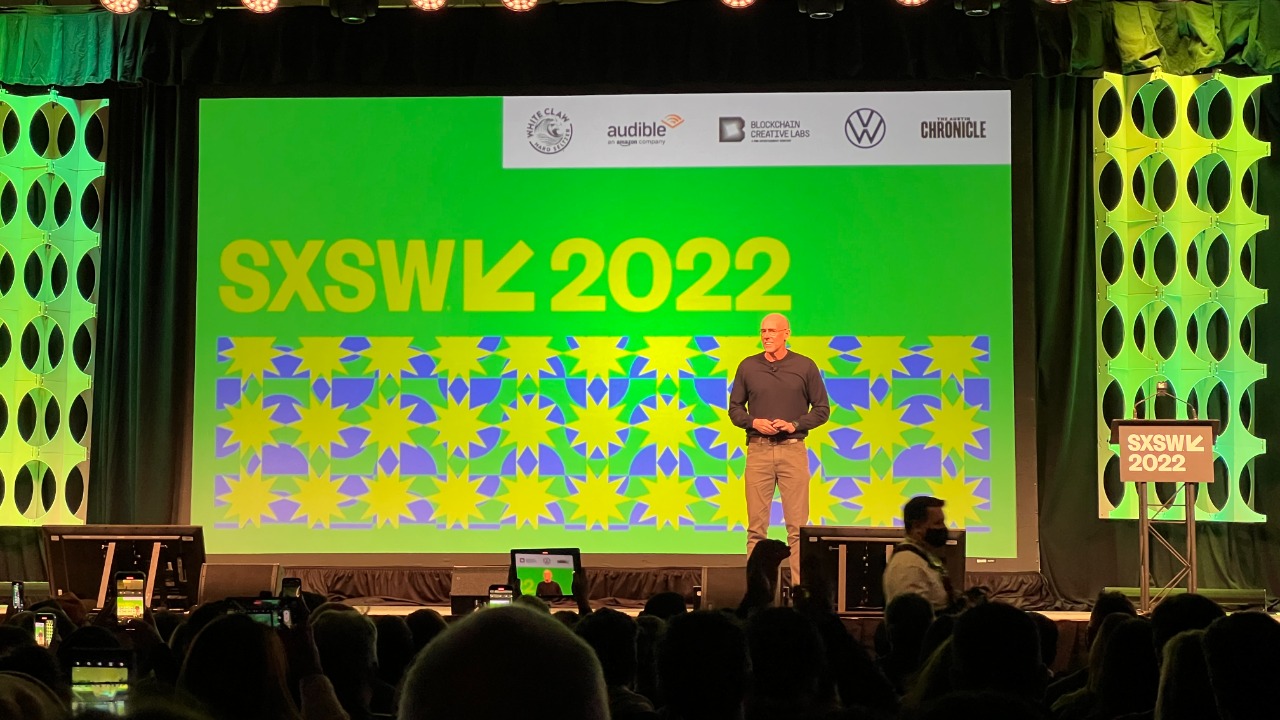
Scott Galloway, a prominent professor and author, has sounded an alarm about the precarious state of the artificial intelligence market. He warns that if the narrative surrounding OpenAI begins to unravel, investors could find themselves with “nowhere to hide” from a potential market collapse. Galloway specifically points to OpenAI CEO Sam Altman as a pivotal figure in what he describes as an AI bubble, which could lead to a significant market shock with far-reaching consequences for financial markets. His recent analyses highlight the dangers of inflated AI valuations that lack sustainable foundations.
Galloway’s Core Prediction on Market Vulnerability
Scott Galloway’s stark warning that there will be “nowhere to hide” in the event of an OpenAI collapse underscores the broader instability within the AI market. He frames the potential unraveling of the OpenAI story as a critical tipping point that could burst the AI bubble, leading to an “ugly” market shock. This scenario, according to Galloway, would expose the widespread vulnerability of investors who have heavily invested in AI without considering the underlying risks. The implications of such a collapse are profound, as it would not only affect tech stocks but also have a ripple effect across various sectors of the financial markets. Galloway’s insights, as reported by Inkl, emphasize the interconnectedness of AI investments and the potential for widespread financial disruption.
Galloway’s analysis suggests that the internal dynamics of OpenAI are closely tied to external market pressures, creating a precarious situation where diversified portfolios might not offer the protection investors typically expect. He argues that the hype surrounding AI has led to inflated valuations that are not supported by sustainable business models, making the market particularly vulnerable to shocks. This perspective is echoed in his discussions with Fortune, where he highlights the potential for an AI bubble burst to expose the fragility of current market conditions.
The Role of OpenAI and Sam Altman in the AI Narrative
Sam Altman, as the CEO of OpenAI, plays a central role in Galloway’s critique of the AI market. Galloway suggests that leadership challenges within OpenAI could accelerate the company’s unraveling, thereby exposing the broader hype surrounding AI technologies. OpenAI’s status as a key player in the AI boom means that any instability within the company could have significant repercussions for the entire sector. Galloway warns that a collapse of OpenAI would not only validate fears of an overinflated AI bubble but also serve as a cautionary tale for investors who have placed their faith in speculative AI ventures.
OpenAI’s valuation model, as outlined by Galloway, is particularly susceptible to internal breakdowns that could trigger declines across the tech sector. He argues that the company’s reliance on maintaining a compelling narrative is a double-edged sword; while it has driven significant investment, it also leaves the company vulnerable to shifts in market sentiment. This analysis, detailed in Inkl, highlights the risks associated with overreliance on narrative-driven valuations in the tech industry.
Implications for Broader Financial Markets
Galloway’s prediction of an “ugly” market shock resulting from OpenAI’s potential downfall suggests severe impacts on equity markets that extend beyond just tech stocks. He envisions a scenario where the interconnectedness of AI investments leaves no safe havens for investors, as the deflation of the AI bubble affects indices and venture capital flows. This interconnectedness means that the repercussions of an OpenAI collapse could be felt across various sectors, amplifying the financial turmoil.
The timeline for these market reactions, as projected by Galloway, indicates an immediate vulnerability for both retail and institutional investors. He suggests that the lack of hiding spots in the market could lead to significant losses, particularly for those who have not diversified their portfolios beyond AI and tech stocks. This perspective, shared with Fortune, underscores the importance of preparing for potential market shocks by adopting more fundamentals-based investment strategies.
Lessons from Galloway’s Broader AI Skepticism
Galloway has consistently emphasized the unsustainability of the AI bubble, using OpenAI as a prime example to caution against speculative fervor in emerging technologies. His skepticism is rooted in the belief that many AI companies are overvalued and lack the solid foundations necessary to withstand market pressures. This viewpoint serves as a warning to investors to be wary of hype-driven investments and to focus instead on companies with proven business models and sustainable growth prospects.
In light of these potential market shocks, Galloway advises investors to adopt diversified, fundamentals-based strategies. He argues that the absence of hiding spots in the market should prompt a reevaluation of investment approaches, encouraging a shift away from speculative bets on emerging technologies. This advice, as reported by Inkl, highlights the need for caution and prudence in navigating the volatile landscape of AI investments.
More From TheDailyOverview
- Dave Ramsey says these two simple questions show whether you’re rich or poor
- Retired But Want To Work? Try These 18 Jobs for Seniors That Pay Weekly
- IRS raises capital gains thresholds for 2026 and what’s new
- 12 ways to make $5,000 fast that actually work

Grant Mercer covers market dynamics, business trends, and the economic forces driving growth across industries. His analysis connects macro movements with real-world implications for investors, entrepreneurs, and professionals. Through his work at The Daily Overview, Grant helps readers understand how markets function and where opportunities may emerge.

