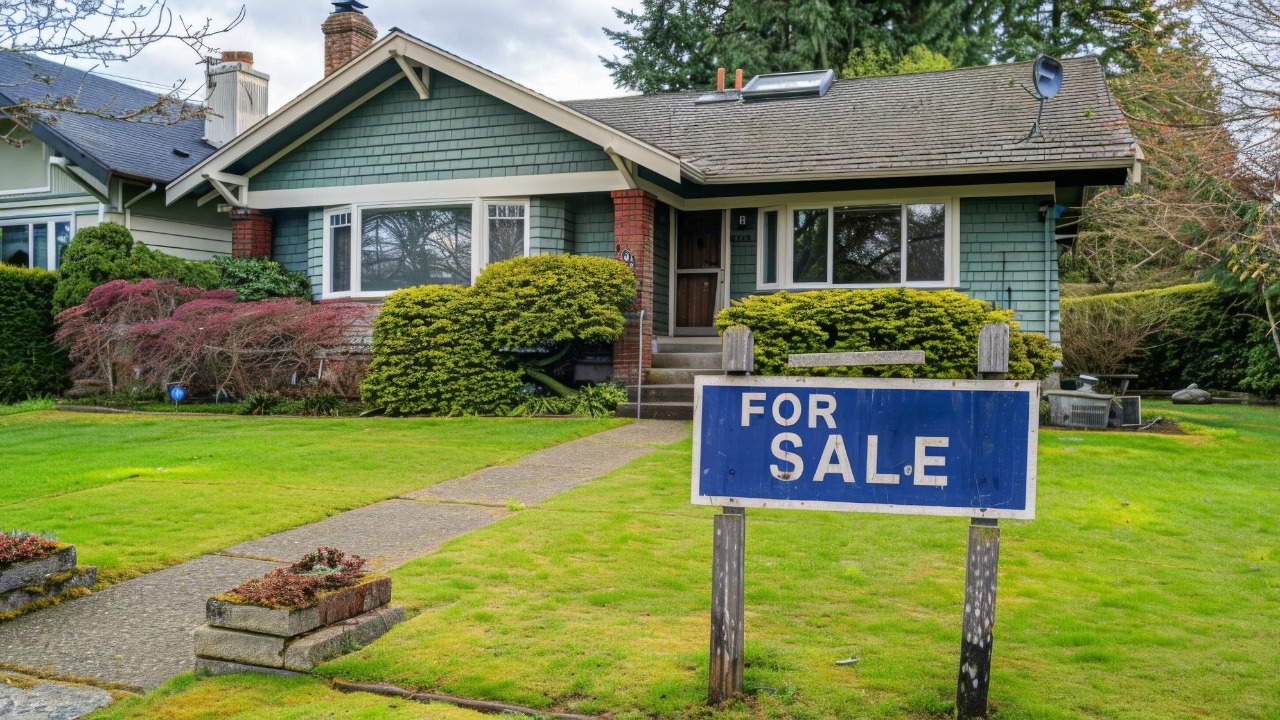
Homeowners are increasingly choosing to pull their listings rather than accept lower offers, turning what might have been a price correction into a standoff. Instead of cutting asking prices to meet buyers where they are, many sellers are retreating and waiting for conditions to improve, a shift that is reshaping how the housing market functions and who can afford to participate.
That choice to step back instead of mark down is more than a tactical move on a few stale listings. It is a signal that sellers’ expectations, financial pressures, and broader economic realities are colliding, keeping inventory tight and sale prices stubborn even as demand cools.
The delisting spike that changed the tone of the market
The most striking signal that something has shifted is the sheer jump in homes being taken off the market. I am not talking about a modest seasonal lull, but a measurable surge in owners who would rather walk away from the listing than negotiate down. Reporting on Delistings Jump describes a 28% increase in homes being removed from the market, a move framed explicitly as sellers pulling homes off rather than settling for low prices. That kind of rise is described as bigger than typical seasonal patterns, which means it cannot be dismissed as a quirk of the calendar.
Another analysis of Delistings underscores that sellers are taking their homes off the market at a pace not seen in nearly a decade, with some owners choosing to rent out properties or simply stay put rather than watch their listing sit. Together, these reports describe a market where the default response to slower demand is not to cut prices, but to vanish from the active inventory count, which keeps sale prices elevated even as fewer deals actually close.
Why sellers would rather disappear than discount
At the heart of this trend is a psychological and financial line that many owners refuse to cross. After years of rapid appreciation, a large share of sellers still benchmark their home’s value to peak-era prices and feel that anything less is a loss, even if they bought long before the run-up. One analysis framed it bluntly, noting that Sellers have Expectations Are Still Stuck in 2021, and that One of the main reasons for delisting is the refusal to adjust to a cooler market. When a home sits without offers, these owners often decide the problem is timing, not price.
There is also a practical constraint: many would-be sellers are locked into ultra-low mortgage rates and face much higher payments on any replacement home. That makes a price cut feel doubly painful, because it shrinks their equity cushion at the same time that a move would raise their monthly costs. Reporting on home listings vanish describes hesitant demand from cost-burdened buyers and sellers who cannot make a subsequent purchase viable, which helps explain why so many owners choose to hold the line on price and retreat instead of negotiating.
How delisting actually works on the ground
Delisting sounds dramatic, but in practice it is often a tactical pause rather than a permanent exit. When a home is removed from the multiple listing service, it stops showing up as an active listing, which can reset the clock on days-on-market and give the property a fresh start later. A detailed explainer on What Does It Mean to Delist a Home notes that one of the most common reasons is simply to pause their selling plans, especially when showings slow or feedback suggests the price is out of step with buyers.
From the seller’s perspective, delisting can feel like regaining control. Instead of watching a property linger and risk becoming stigmatized as “stale,” owners can regroup, make repairs, or wait for a more favorable season. The same guide on When you put your home up for sale explains that many owners expect it to attract potential buyers and move quickly, and when that does not happen, they see delisting as a way to avoid further price reductions that might anchor perceptions of their home’s worth too low for future attempts.
Evidence of a price standoff, not a crash
What emerges from the data is less a story of collapsing prices and more a story of gridlock. Buyers, squeezed by higher borrowing costs and inflation, are pushing back against peak valuations, while sellers are refusing to meet them in the middle. Reporting on More homeowners pulling their properties off the market describes clear Signs of deadlock, including a metric showing that for every 100 new homes listed, a rising number are being removed compared with the same period last year. That pattern is the opposite of a buyer’s market where price cuts clear the backlog.
Another piece on home listings vanish explicitly frames the situation as a home price standoff, with hesitant demand from cost-burdened buyers colliding with owners who will not list unless they can achieve aspirational prices. The result is a market where transaction volume falls, inventory statistics look deceptively tight, and sale prices stay elevated not because demand is roaring, but because the only homes that actually sell are the ones that clear that high bar.
Cooling markets and the uneven geography of delistings
Delistings are not hitting every neighborhood equally, and that unevenness matters. Some markets that overheated fastest during the pandemic era are now cooling faster, with more homes sitting without offers and then quietly disappearing from the listings. An analysis titled Homes Not Selling explains that several key trends are pushing delistings higher, including the fact that Some Markets Are Cooling Faster as buyers pull back from areas where prices ran far ahead of local incomes.
In those cooling pockets, the gap between list prices and what buyers are willing to pay is widest, so owners are more likely to step aside rather than slash their expectations. The same discussion of Why Delistings Have Surged and What That Means for You notes that this pattern can create a misleading sense of scarcity, because the homes that would show the most visible price declines are the ones most likely to be removed. That dynamic helps explain why national price indices can look resilient even as on-the-ground agents talk about rising cancellations and withdrawn listings in specific zip codes.
Seller frustration and the emotional side of the standoff
Behind the statistics is a very human frustration. Many owners spent money on renovations, staging, and marketing, only to watch showings trickle in and offers fail to materialize. Reporting on Home sellers being so fed up with cutting listing prices that they are yanking their homes off the market altogether captures that mood, quoting experts who say, “What we’re seeing nationally” is a pattern where owners would rather wait than accept what they view as a discount. That sentiment is especially strong among those who anchored their expectations to neighbors’ peak-era sale prices.
There is also a fear of signaling weakness. Once a seller starts trimming the list price, buyers may assume more cuts are coming and hold back, or they may wonder what is wrong with the property. The same analysis notes that this reluctance to chase the market down keeps sale prices elevated, because only the most motivated sellers actually adjust, while others simply exit. In practice, that means fewer comps at lower prices, which reinforces the belief among remaining owners that their own high expectations are justified.
What delistings reveal about affordability and access
The rise in delistings is not just a curiosity for real estate professionals; it has real consequences for who can buy a home. When owners refuse to cut prices and instead pull listings, the pool of available properties shrinks, especially in starter and mid-range segments where first-time buyers are already stretched. The report on home listings vanish notes that hesitant demand from cost-burdened buyers is colliding with sellers who cannot make a subsequent purchase viable, which effectively sidelines both sides of the transaction and keeps entry-level inventory scarce.
At the same time, the analysis of Sellers Pull Homes Off Market emphasizes that the 28% jump in delistings keeps sale prices elevated, because the homes that remain are often those that can command top dollar. For buyers, that means fewer chances to negotiate and a market that feels frozen at high price points, even if underlying demand has softened. The net effect is to entrench affordability problems and delay the moment when prices and incomes realign.
How buyers and sellers are adapting in real time
In this environment, both sides are improvising. Some buyers are shifting strategies, focusing on homes that have been on the market longer and watching for quiet relists after a delisting, when a seller might be more open to concessions on closing costs or repairs instead of headline price. Others are stepping back entirely, choosing to rent longer or move to more affordable regions rather than engage in a standoff where the odds of a meaningful discount are slim. The pattern described in What it means for buyers and sellers highlights that some shoppers are increasingly wary of stale listings and delistings, reading them as signs of inflexibility.
Sellers, for their part, are experimenting with alternatives to straight price cuts. Some are offering rate buydowns, closing credits, or flexible move-out timelines instead of lowering the list price, hoping to preserve the headline number while still making the deal pencil out for buyers. Others are turning to short-term rentals or long-term tenants to bridge the gap until they believe the market will support their target price. The broader discussion in Why Delistings Have Surged notes that these adaptations are part of a larger recalibration, as owners weigh the costs of waiting against the emotional hurdle of accepting a lower number.
What this standoff signals about the next phase of housing
When sellers consistently choose to yank listings instead of cutting prices, it signals a market that is resisting a clean reset. Rather than a swift correction where prices fall until buyers return in force, the housing sector is drifting into a slower, more uneven adjustment, with fewer transactions and a persistent sense of scarcity. The pattern described in Here is why delistings are rising, combined with the observation that for every 100 new homes listed more are being removed than a year ago, points to a structural deadlock rather than a temporary blip.
From my vantage point, that deadlock tells us that the next phase of housing will be defined less by dramatic price swings and more by access, patience, and timing. Owners with flexibility and low mortgage rates can afford to wait, which keeps inventory tight and prices sticky. Buyers without that flexibility face a choice between stretching for a home in a constrained market or stepping aside and hoping that, eventually, enough sellers decide that a smaller gain is better than no sale at all. Until that shift happens at scale, the rise in delistings will continue to say something uncomfortable about housing in America: the numbers on paper may look strong, but the market underneath is struggling to find common ground.
More From TheDailyOverview
- Tennessee loses $2.6B megafactory and faces major layoffs
- Retired But Want To Work? Try These 18 Jobs for Seniors That Pay Weekly
- What to do with your pennies after the U.S. stops minting them
- Home Depot CEO warns of a troubling customer trend in stores

Elias Broderick specializes in residential and commercial real estate, with a focus on market cycles, property fundamentals, and investment strategy. His writing translates complex housing and development trends into clear insights for both new and experienced investors. At The Daily Overview, Elias explores how real estate fits into long-term wealth planning.

