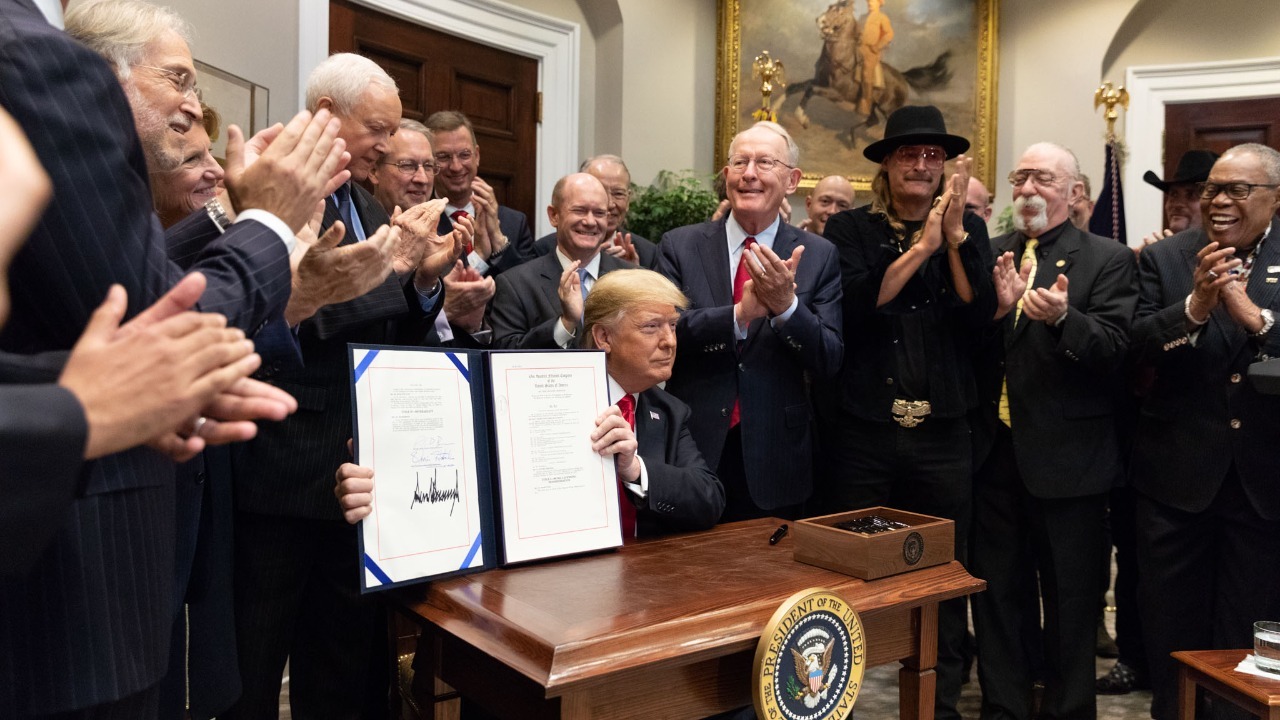
The Megabill, introduced during Donald Trump’s second term as President, significantly enhances a charitable tax break for seniors, potentially impacting millions of taxpayers. This legislative change simplifies the process for seniors to claim tax breaks on charitable donations, potentially increasing both participation and donation levels. By making these tax benefits more accessible, the Megabill aims to encourage a broader demographic to engage in charitable giving, thereby fostering a culture of philanthropy among seniors.
Impact of the Megabill on Seniors

The Megabill offers seniors an enhanced tax break for charitable donations, making it financially beneficial for them to contribute. This change is designed to alleviate the financial burden on seniors who wish to donate, thereby encouraging more individuals in this demographic to participate in charitable activities. According to The Wall Street Journal, this legislative adjustment simplifies the tax filing process, making it easier for seniors to claim these benefits.
Moreover, the Megabill’s provisions are crafted to simplify the process for seniors, encouraging increased participation in charitable giving. As noted by MarketWatch, by reducing the complexity of claiming tax deductions, the bill aims to remove barriers that might otherwise deter seniors from making charitable contributions. This could lead to a significant increase in the number of seniors who choose to donate, thereby boosting overall charitable contributions.
Furthermore, the Megabill’s impact on seniors is not just limited to financial benefits. By easing the process of claiming tax deductions, it also empowers seniors to engage more actively in their communities. This legislative change can lead to increased social involvement among seniors, as they may feel more encouraged to participate in charitable activities knowing their contributions are financially supported. The Wall Street Journal highlights that this could also enhance the overall well-being of seniors, as engaging in philanthropy has been linked to improved mental health and a sense of purpose.
Legislative Context and Intent

President Trump’s administration introduced the Megabill as part of broader tax reforms during his second term. The bill’s intention is to provide tax relief and encourage charitable contributions across various demographics, not just the wealthy. According to Bankrate, these reforms are part of a larger strategy to make tax benefits more inclusive and accessible to a wider range of taxpayers.
The Megabill reflects a strategic effort by the Trump administration to reform tax legislation in a way that benefits a broader spectrum of the population. As highlighted by The Conversation, the bill is designed to incentivize charitable giving by offering tax breaks that are easier to claim, thereby encouraging more people to donate. This approach aims to foster a culture of giving that extends beyond the affluent, making philanthropy a more widespread practice.
In addition to fostering charitable giving, the Megabill is part of a broader initiative to address income inequality through tax policy. By making tax breaks more accessible, the Trump administration aims to level the playing field for middle and lower-income taxpayers. This approach is intended to counteract the perception that tax benefits primarily favor the wealthy. As Bankrate points out, these reforms are designed to create a more balanced tax system that provides equitable opportunities for all taxpayers to benefit from deductions and credits.
Potential Impacts on Nonprofits and Research

While the tax break aims to boost charitable donations, its actual benefit to nonprofits remains uncertain. The Conversation notes that although the Megabill provides a new charitable tax break to millions of taxpayers, it is unclear whether this will translate into substantial benefits for nonprofits. The effectiveness of this measure will largely depend on how nonprofits leverage the potential increase in donations to support their initiatives.
Additionally, the Megabill’s provisions could indirectly boost funding for research initiatives. As reported by Politico, the increased donations resulting from the tax break could provide nonprofits with more resources to allocate towards research and development. This potential influx of funding could enhance the capacity of nonprofits to conduct research, thereby contributing to advancements in various fields.
Moreover, nonprofits may need to adapt their strategies to maximize the potential benefits of increased donations. This could involve enhancing their outreach efforts to better communicate the impact of their work, thereby attracting more donors. The Conversation suggests that nonprofits might also need to invest in infrastructure and capacity-building to effectively manage and utilize the additional resources. This strategic adaptation could be crucial for ensuring that the increased donations translate into meaningful support for their missions.
Broader Implications for Tax Policy
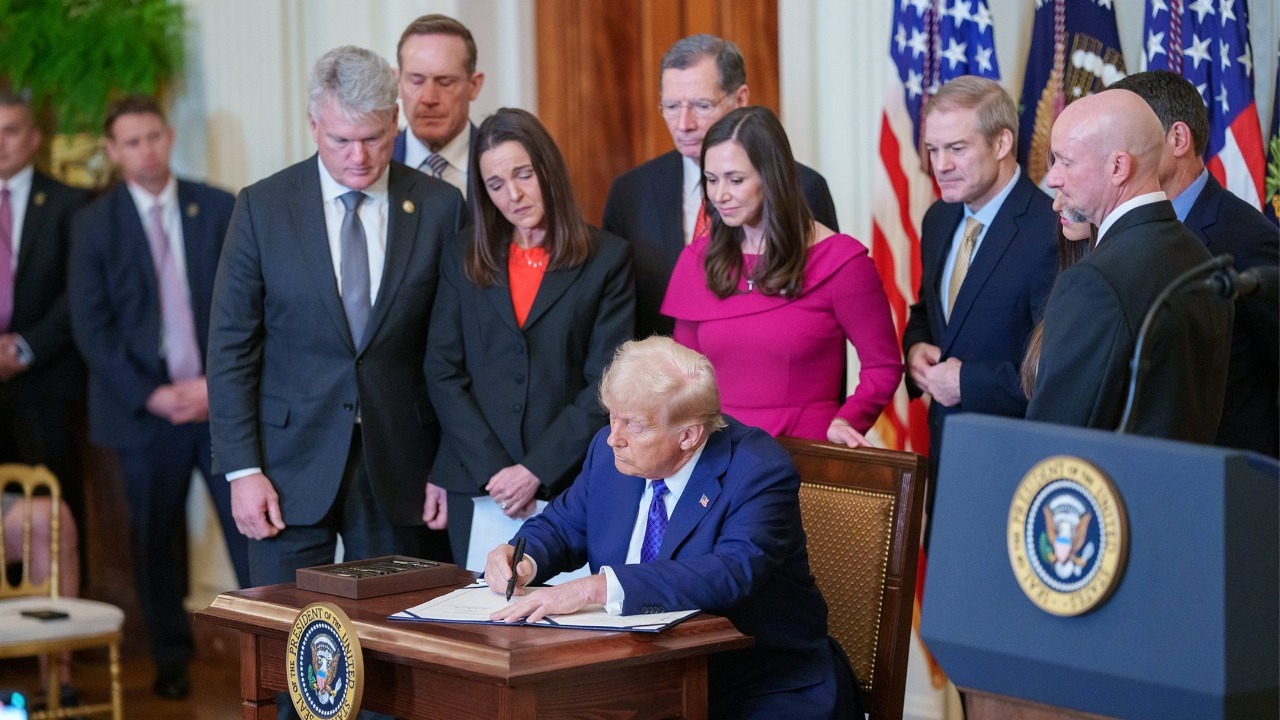
The Megabill is part of a larger trend towards simplifying tax codes and making tax breaks more accessible to a wider population. MarketWatch highlights that these changes reflect ongoing efforts by the Trump administration to reform tax legislation to benefit a broader range of taxpayers. By streamlining the tax code, the administration aims to reduce the complexity of tax filing and make it easier for individuals to claim deductions.
These reforms are indicative of a shift towards a more inclusive tax policy that seeks to provide benefits to a diverse array of taxpayers. As noted by Bankrate, the Megabill is a key component of the Trump administration’s broader tax reform strategy, which aims to create a more equitable tax system. By making tax benefits more accessible, the administration hopes to encourage greater participation in charitable giving and foster a culture of philanthropy across different demographics.
Additionally, the Megabill’s focus on simplifying the tax code aligns with a global trend towards more transparent and user-friendly tax systems. By reducing bureaucratic hurdles, the administration aims to increase compliance and reduce the administrative burden on taxpayers. MarketWatch notes that this could lead to a more efficient tax system, where resources are better allocated, and taxpayers are more likely to engage with the system positively. This shift towards simplification is seen as a necessary step in modernizing tax policy to meet the needs of a diverse and evolving taxpayer base.

Julian Harrow specializes in taxation, IRS rules, and compliance strategy. His work helps readers navigate complex tax codes, deadlines, and reporting requirements while identifying opportunities for efficiency and risk reduction. At The Daily Overview, Julian breaks down tax-related topics with precision and clarity, making a traditionally dense subject easier to understand.

