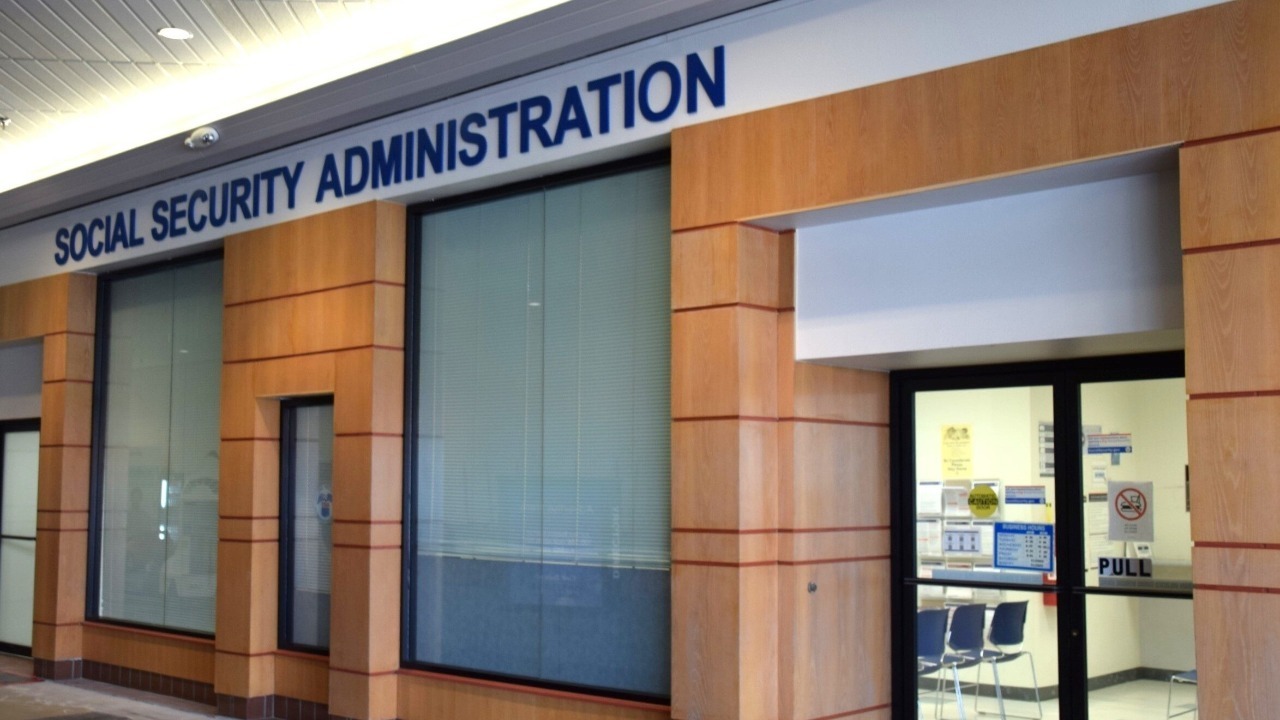
Social Security benefits are a crucial source of income for many Americans, but there are several reasons why these payments might be stopped, even if you are eligible. Understanding these potential pitfalls can help you avoid unexpected disruptions in your benefits. From legal issues to administrative oversights, here are seven reasons why your Social Security payments could be halted.
1) Imprisonment for a Felony, Even If Eligible for Retirement Benefits
If you are imprisoned for a felony, your Social Security payments can be suspended, even if you are otherwise eligible for retirement benefits. According to FinanceBuzz, both Social Security and Supplemental Security Income (SSI) benefits are not payable for any month during which you are incarcerated for more than 30 days. This policy is in place because the Social Security Administration (SSA) considers that the basic needs of incarcerated individuals are met by the institution, thus negating the need for these benefits.
The implications of this policy are significant, especially for those who rely heavily on Social Security as their primary source of income. Upon release, individuals must actively notify the SSA to reinstate their benefits, which can be a cumbersome process. This underscores the importance of understanding how legal issues can impact your financial stability, particularly if you are facing incarceration.
Moreover, the suspension of benefits during incarceration can have a ripple effect on dependents who might rely on those funds. It’s crucial for individuals in this situation to plan accordingly and seek legal advice to navigate the complexities of reinstating benefits post-incarceration.
2) Fleeing to Avoid Prosecution on a Felony Charge
Another scenario where Social Security benefits can be stopped is if you are fleeing to avoid prosecution for a felony charge. As detailed by Nasdaq, individuals who are actively evading law enforcement by fleeing from felony warrants are not eligible to receive Social Security benefits. This policy is part of a broader effort to ensure that individuals who are not complying with the law do not benefit from federal programs.
The rationale behind this policy is straightforward: the government aims to discourage criminal behavior by withholding benefits from those who are not abiding by the law. This can serve as a significant deterrent for individuals considering fleeing from prosecution, as the loss of benefits can have a severe impact on their financial well-being.
For those who find themselves in this situation, it’s important to understand the legal and financial consequences of their actions. Seeking legal counsel and resolving outstanding legal issues can help restore eligibility for Social Security benefits, thereby stabilizing one’s financial situation.
3) Moving to a Country Without a Payment Agreement
Relocating to a country that does not have a payment agreement with the United States can also result in the suspension of Social Security benefits. According to Bankrate, if you move to certain countries, such as Cuba or North Korea, your Social Security payments will be withheld until you relocate to a country where payments are permitted. This policy is designed to comply with international agreements and ensure that funds are distributed in accordance with U.S. laws.
For expatriates, this means that careful planning is essential before making a move abroad. Understanding which countries have agreements with the U.S. can help prevent unexpected disruptions in benefit payments. Additionally, maintaining a U.S. bank account can facilitate the receipt of payments, even while living overseas.
It’s also important for expatriates to stay informed about changes in international agreements that could affect their benefits. Regular communication with the SSA and consulting with financial advisors who specialize in expatriate issues can provide valuable guidance and help ensure that benefits continue uninterrupted.
4) Failing to Report Changes in Household or Income for SSI
Failing to report changes in household composition or income can lead to the suspension of SSI benefits. The Social Security Administration requires recipients to report any changes in their living arrangements or income, as these factors directly impact eligibility and benefit amounts. Unreported changes can trigger a review of eligibility, potentially resulting in the suspension of benefits.
This requirement underscores the importance of transparency and timely communication with the SSA. Recipients must be diligent in reporting any changes to avoid interruptions in their benefits. This includes changes such as moving in with a partner, receiving additional income, or changes in household size.
For those who rely on SSI, understanding these reporting requirements is crucial. Failure to comply can not only result in the suspension of benefits but may also lead to overpayments that must be repaid. Staying informed and proactive in reporting changes can help maintain eligibility and prevent financial setbacks.
5) Exceeding SSI Resource or Income Limits
SSI benefits are also subject to strict resource and income limits, and exceeding these limits can result in the automatic suspension of benefits. As highlighted by Nasdaq, SSI is designed to assist individuals with limited income and resources, and exceeding these thresholds disqualifies recipients from receiving benefits.
The SSA sets specific limits on the amount of income and resources an individual can have while still qualifying for SSI. These limits are periodically adjusted, so recipients must stay informed about current thresholds. Exceeding these limits, even temporarily, can lead to a suspension of benefits until the recipient’s financial situation changes.
For individuals who rely on SSI, it’s important to manage finances carefully and be aware of how changes in income or assets can impact eligibility. Consulting with a financial advisor or SSA representative can provide guidance on how to manage resources effectively and maintain eligibility for benefits.
6) Missing Required Annual or Redetermination Reviews
Failure to complete required annual or redetermination reviews can also result in the suspension of Social Security benefits. According to FinanceBuzz, the SSA conducts periodic reviews to ensure that recipients continue to meet eligibility requirements. Missing these reviews or failing to provide necessary documentation can lead to a temporary halt in benefits.
These reviews are an essential part of the SSA’s process to verify that recipients are still eligible for benefits. They may involve providing updated information about income, resources, and living arrangements. Missing a scheduled review or failing to submit required documentation can result in the suspension of benefits until the review is completed.
To avoid this, recipients should ensure they are aware of review schedules and requirements. Keeping organized records and promptly responding to SSA requests can help prevent disruptions in benefit payments. Additionally, maintaining open communication with the SSA can provide clarity on what is needed to complete reviews successfully.
7) Offsets from Concurrent Disability or Workers’ Comp Benefits
Receiving concurrent disability or workers’ compensation benefits can also affect Social Security payments. As explained by Investopedia, overlapping benefits can lead to a reduction or elimination of Social Security income if not managed properly. This is because the SSA has rules in place to prevent individuals from receiving more than a certain amount of combined benefits.
When individuals receive both Social Security Disability Insurance (SSDI) and workers’ compensation benefits, the total amount of benefits received cannot exceed 80% of their average current earnings. If the combined benefits exceed this threshold, the SSA will reduce the SSDI payments accordingly. This offset is designed to ensure that individuals do not receive more in benefits than they would have earned while working.
For those receiving multiple types of benefits, it’s important to understand how these offsets work and plan accordingly. Consulting with a financial advisor or SSA representative can provide guidance on how to manage benefits effectively and avoid unexpected reductions in income. By staying informed and proactive, individuals can ensure they receive the maximum benefits they are entitled to without exceeding allowable limits.
More From TheDailyOverview
- Dave Ramsey says these two simple questions show whether you’re rich or poor
- Retired But Want To Work? Try These 18 Jobs for Seniors That Pay Weekly
- IRS raises capital gains thresholds for 2026 and what’s new
- 12 ways to make $5,000 fast that actually work

Nathaniel Cross focuses on retirement planning, employer benefits, and long-term income security. His writing covers pensions, social programs, investment vehicles, and strategies designed to protect financial independence later in life. At The Daily Overview, Nathaniel provides practical insight to help readers plan with confidence and foresight.

