Reducing monthly utility bills without sacrificing comfort is a goal many homeowners share. By making strategic changes, I discovered that it’s possible to cut costs significantly while maintaining a comfortable lifestyle. Here are seven effective strategies that helped me achieve this balance.
1) Switched to LED Bulbs, According to the U.S. Department of Energy
One of the simplest yet most impactful changes I made was switching to LED bulbs. According to the U.S. Department of Energy, LED lighting can reduce energy use by up to 75% compared to incandescent bulbs. This efficiency not only lowers electricity bills but also extends the lifespan of the bulbs, lasting 25 times longer. The initial investment in LED bulbs quickly pays off through reduced energy consumption and fewer replacements.
Residential LEDs, especially those rated by ENERGY STAR, are designed to maximize savings. By replacing outdated lighting with these modern alternatives, I noticed a significant drop in my monthly electricity costs. The long-term savings and environmental benefits make LED bulbs a smart choice for any household looking to cut utility expenses.
2) Unplugged Phantom Energy Suckers, Per the Natural Resources Defense Council
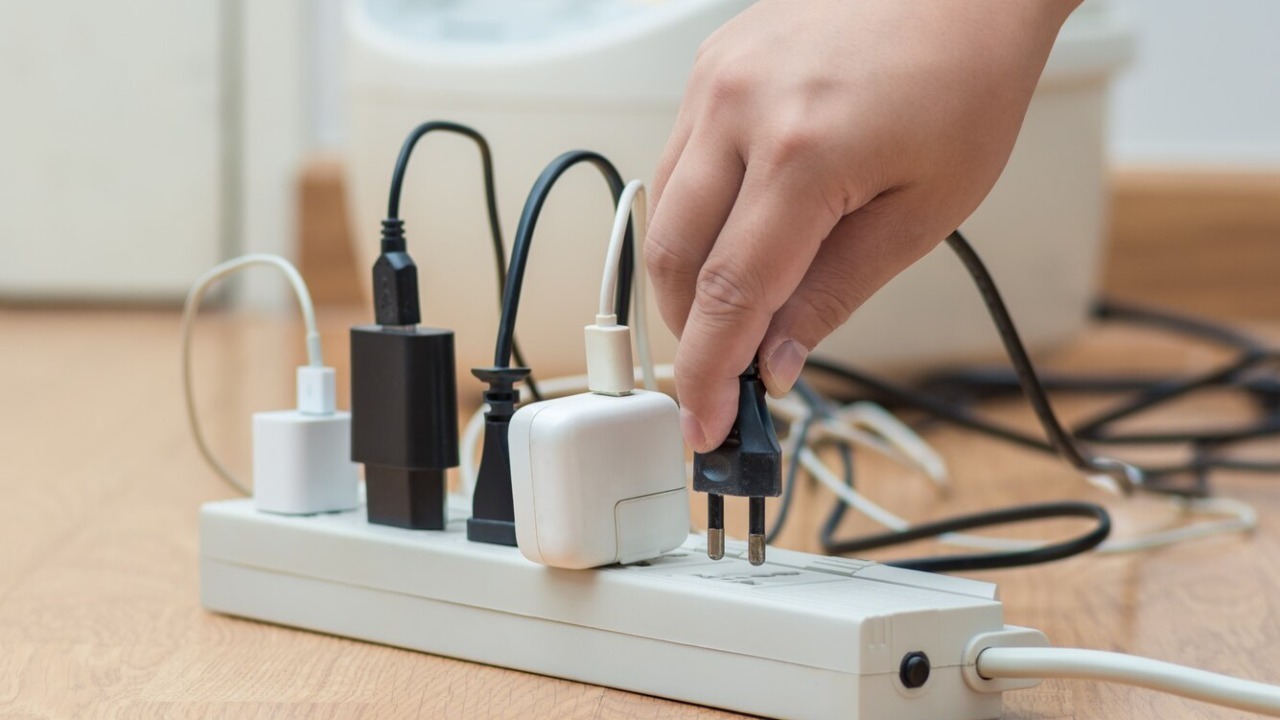
Another effective strategy was addressing phantom energy usage. The Natural Resources Defense Council highlights that standby power from unused electronics can account for about 10% of home electricity use, costing the average U.S. household $165 annually. By unplugging devices when not in use, I was able to eliminate this unnecessary expense.
Simple actions like unplugging chargers and turning off power strips when appliances are not in use can significantly reduce energy waste. This small change not only cuts costs but also contributes to a more sustainable lifestyle by reducing overall energy consumption.
3) Lowered My Thermostat Smartly, Based on Lawrence Berkeley National Laboratory Research
Adjusting the thermostat was another key step in reducing my utility bills. Research from Lawrence Berkeley National Laboratory suggests that lowering the thermostat by 7-10°F for eight hours a day can save up to 10% on heating costs. Implementing this strategy, especially during the night or when the house is unoccupied, proved to be highly effective.
Using a programmable thermostat made it easy to manage temperature settings efficiently. This approach not only reduced heating expenses but also maintained a comfortable indoor environment. The savings from this simple adjustment were noticeable, especially during the colder months.
4) Sealed Up Air Leaks Around My Home, As Recommended by the U.S. Environmental Protection Agency
Sealing air leaks around windows and doors was another impactful measure. The U.S. Environmental Protection Agency notes that this can reduce heating and cooling costs by 10-20%. By addressing these leaks, I improved my home’s energy efficiency and comfort.
Using weatherstripping and caulking, I was able to effectively seal gaps and prevent drafts. This not only reduced energy bills but also enhanced the overall comfort of my home. The investment in materials was minimal compared to the long-term savings achieved through improved insulation.
5) Installed a Low-Flow Showerhead, Following Consumer Reports Guidance
Installing a low-flow showerhead was another simple yet effective change. According to Consumer Reports, this can save a family of four up to 2,900 gallons of water per year, reducing water heating costs by $80 annually. This adjustment not only lowered my water bill but also contributed to energy savings.
The reduced water flow did not compromise the shower experience, proving that efficiency and comfort can coexist. This change was a straightforward way to conserve water and energy, aligning with broader sustainability goals while cutting costs.
6) Started Air-Drying My Laundry, Drawing from the Union of Concerned Scientists
Switching to air-drying clothes instead of using a dryer was another cost-saving measure. The Union of Concerned Scientists states that this can save up to $80 per year in electricity costs. By utilizing drying racks and clotheslines, I was able to significantly reduce my energy consumption.
This method not only cuts costs but also extends the lifespan of clothing by reducing wear and tear from machine drying. The transition to air-drying was seamless and contributed to a more sustainable household routine.
7) Upgraded to an ENERGY STAR Refrigerator, Per ENERGY STAR Standards
Finally, upgrading to an ENERGY STAR-certified refrigerator provided substantial savings. ENERGY STAR reports that such refrigerators can save $200 over their lifetime compared to standard models, with annual savings of about $50. This investment not only reduced my electricity bill but also supported environmental conservation efforts.
The new refrigerator’s efficiency was immediately noticeable, and the long-term savings justified the initial expense. This upgrade was a significant step toward a more energy-efficient home, aligning with my goal of reducing utility costs without feeling deprived.
More From TheDailyOverview
- Dave Ramsey says these two simple questions show whether you’re rich or poor
- Retired But Want To Work? Try These 18 Jobs for Seniors That Pay Weekly
- IRS raises capital gains thresholds for 2026 and what’s new
- 12 ways to make $5,000 fast that actually work

Cole Whitaker focuses on the fundamentals of money management, helping readers make smarter decisions around income, spending, saving, and long-term financial stability. His writing emphasizes clarity, discipline, and practical systems that work in real life. At The Daily Overview, Cole breaks down personal finance topics into straightforward guidance readers can apply immediately.
