Across the country, private car sellers are discovering that the stranger in their driveway is not a bargain hunter but the opening move in a tightly scripted fraud. The so‑called “oil in the engine” scheme uses staged breakdowns and fake mechanics to bully owners into slashing their asking price on the spot. Sheriffs from California to Missouri now say the pattern is clear, and they are urging anyone listing a vehicle online to treat every driveway test drive as a potential crime scene.
At its core, this is not a scam that targets buyers at all, despite how it is sometimes described. It is a con that preys on individual sellers who think they are closing a simple cash deal, only to watch supposed damage appear under their hood and their leverage evaporate. I have found that once you understand how the trick works and where it has already surfaced, it becomes much easier to spot the red flags before your car, and your money, are on the line.
How the ‘oil in the engine’ con actually works
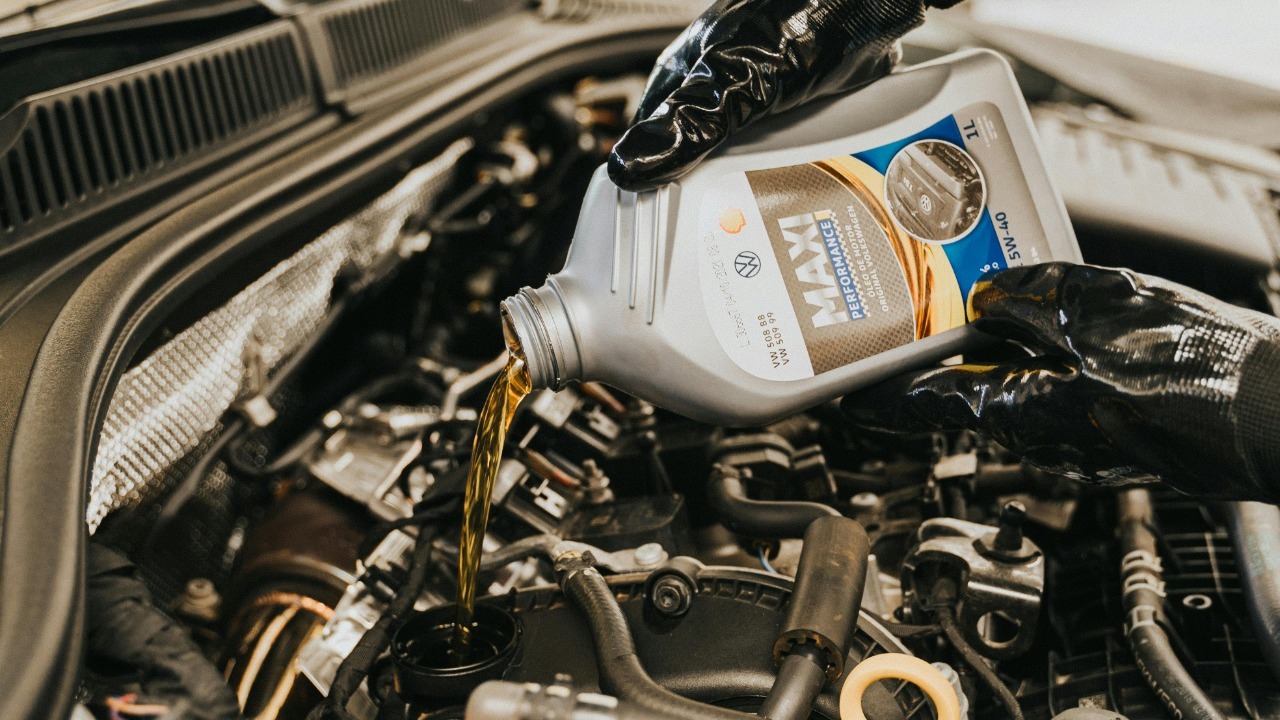
The mechanics of the fraud are surprisingly simple. A would‑be buyer contacts a seller, often after seeing a listing for a popular model like a Honda Civic or Toyota Tacoma, and insists on meeting quickly with cash in hand. Once they arrive, they ask to inspect the car alone or with a partner, then one of them distracts the owner while the other quietly pours oil or another fluid into the engine bay or radiator to create smoke, leaks, or alarming smells. When the hood is opened again, the buyer points to the mess as proof of a “blown engine” and demands a steep discount, sometimes claiming the car is now only worth a fraction of the agreed price, a pattern that car owners have reported across the country.
In some cases, the script starts even earlier, with a small deposit sent electronically to make the buyer seem committed and trustworthy. One detailed warning that began with the words “Hello All” described how the scammers send a token payment, offer a story about why they need the car quickly, then show up with a partner who plays the role of on‑the‑spot mechanic. Once the fake damage is “discovered,” they pressure the seller to accept a drastically lower price immediately, often warning that no one else will buy a car with such an obvious problem.
From Redding to CASSVILLE, a pattern law enforcement recognizes
Police and sheriffs now say they are seeing the same choreography in very different communities. In Redding, officers warned that people posing as buyers were manipulating the engine and radiator of vehicles for sale, then using the apparent failure to demand a much lower price. The alert described how the seller is often distracted while the accomplice works under the hood, and how the supposed buyer then insists the car is unsafe to drive, hoping panic will push the owner into a quick, bad decision.
Hundreds of miles away in CASSVILLE, The Barry County Sheriff, Office issued its own warning about what it explicitly called the “Oil in the” scam. There, deputies described buyers who show up, ask to look under the hood, and then claim to find oil where it should not be, using that “discovery” to argue that the car is suddenly worth far less. The sheriff’s office stressed that the fraud is not limited to any one make or price range, and that anyone selling a vehicle privately could be approached.
California arrests put faces to the scheme
In California, recent arrests have given the scam a set of names and case numbers. The Placer County Sheriff, Department said that in PLACER, COUNTY, Calif, a father and son, Iulian and Decebal Mihai, posed as interested buyers and allegedly used the oil ploy to drive down prices, targeting private sellers who had advertised their cars online. According to the department, the pair would negotiate aggressively after the supposed engine problem appeared, sometimes trying to knock the price down to as little as 25 percent of the original asking figure, a pattern detailed in a California case.
Separate reports from PLACER County describe how Decebal Mihai and Iulian Mihai were listed in custody records tied to the Placer County Sheriff, Office, with booking numbers that connect them directly to a car‑buying scam in Newcastle. Those records, which refer to The Placer Coun, show the men facing accusations that match the oil‑in‑the‑engine pattern, including sudden claims of catastrophic engine failure and pressure to close a deal on the spot for a fraction of the car’s value, as outlined in Newcastle arrest reports.
Driveway encounters, social media warnings, and a growing trail
Individual sellers have filled in the human details that official reports often leave out. In one Oct account, a woman described how a man contacted her husband about a car, was told to come see it before negotiating, and then replied that he was already in their driveway looking at it. She recounted how the situation escalated quickly once the supposed buyer began inspecting the vehicle, ending with a blunt warning to others to “beware,” a story shared in a community group that mirrors the tactics described by law enforcement.
In Palm Desert, a man who listed his car on Craigslist said a buyer arrived with at least one other person, focused heavily on what was under the bonnet, and then tried to claim the engine was blown. He described how the accomplice distracted him while the other person worked under the hood, and how the pair then pushed for a steep discount, a sequence that matches the broader pattern of staged failures reported in Palm Desert. Another warning from the same region described how a Palm Desert man urged others to be cautious after buyers faked a blown engine, explaining that the visitor “turns up with at least one other person” and that the accomplice’s distraction is central to the con, details that were amplified in a local post.
Why sheriffs say sellers, not buyers, are the real targets
Despite the headline‑friendly label, sheriffs are clear that the victims here are the people handing over their keys, not the ones walking away with the car. In California, one sheriff’s department described how two men were booked into the South Placer Jail on felony charges of theft by false pretenses, conspiracy, and possession of counterfeit currency after allegedly using the oil ploy to cheat sellers, stressing that “Both” suspects had targeted individuals who thought they were making straightforward private sales, according to felony booking records.
Other California agencies have echoed that message. In one case, officers said “Our” suspect, identified as Michael Tanase, was initially taken into custody for being drunk in public, and only after he was booked did investigators connect him to a broader car‑buying scam that involved similar tactics, leading to his placement in the Placer County Jail, as detailed in jail records. A separate warning video from a California sheriff’s department showed how deputies arrested two men after they tried to pull off what they called the oil in the engine scam, underscoring that the suspects were posing as buyers and that the people listing their cars were the ones losing money, a point driven home in an On Your Side segment.
More From The Daily Overview
*This article was researched with the help of AI, with human editors creating the final content.

Grant Mercer covers market dynamics, business trends, and the economic forces driving growth across industries. His analysis connects macro movements with real-world implications for investors, entrepreneurs, and professionals. Through his work at The Daily Overview, Grant helps readers understand how markets function and where opportunities may emerge.