
As President Trump’s tariff policies near their 2025 implementation deadline, small businesses across the United States face a critical decision: whether to pass on higher import costs to customers. Many owners are concerned about potential price hikes of 10-20% on goods like electronics and apparel. A survey of 500 small business owners revealed that 62% plan to absorb some costs initially to maintain customer loyalty, while others consider transparently displaying tariff surcharges on receipts to educate consumers.
This dilemma is particularly acute for retailers in states like California and Texas, where imported inventory dominates, forcing owners to weigh short-term profits against long-term relationships as tariffs on China-sourced products are set to rise by April 2025.
Understanding the Tariff Landscape
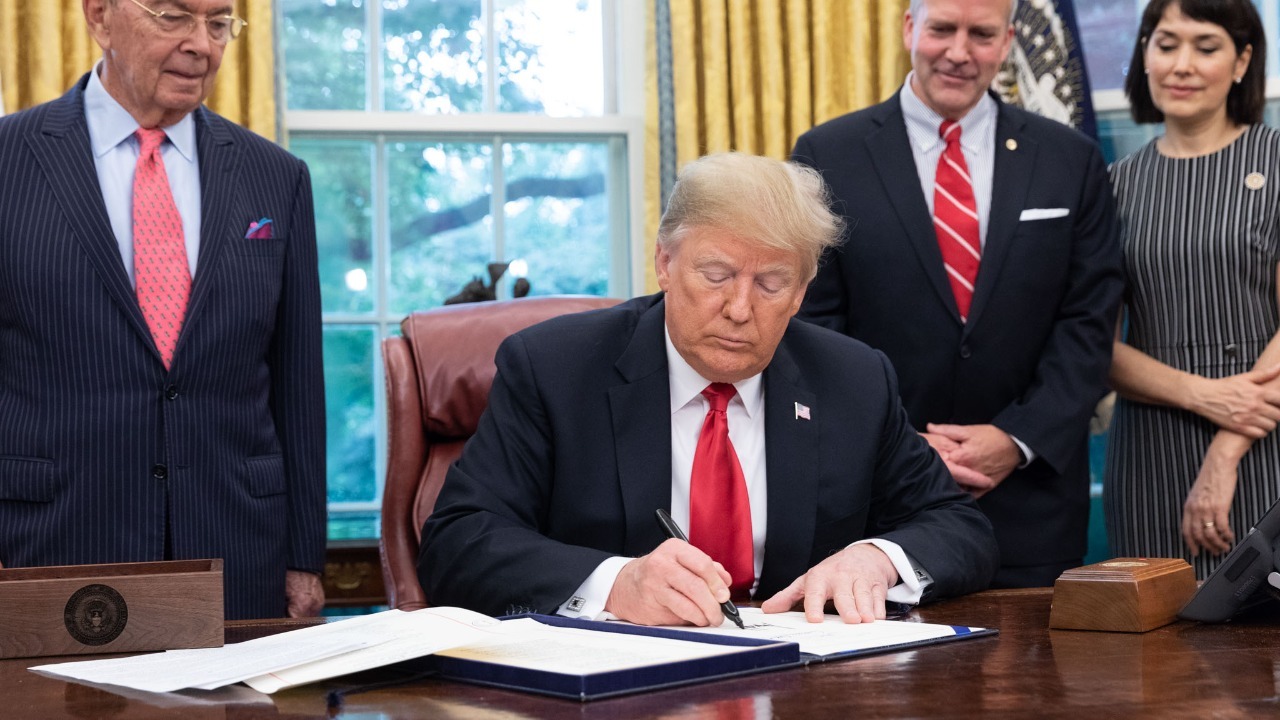
President Trump’s proposed tariffs include significant increases, such as a 60% tariff on Chinese imports and 10-20% on goods from Mexico and Canada. These tariffs directly increase costs for small businesses reliant on global supply chains. According to NerdWallet, these tariffs are set to take effect in 2025, impacting sectors like manufacturing and retail. Many businesses are facing sudden 15% cost surges on raw materials, which could severely affect their bottom lines.
These tariffs also exacerbate inflation pressures, with small firms experiencing an average 5-7% rise in operational expenses if they lack diversified sourcing. This increase in costs can strain small businesses, which often operate on thin margins, forcing them to make tough decisions about pricing and sourcing strategies.
Weighing the Pros and Cons of Price Increases

Raising prices to cover tariff costs can help maintain profit margins. For example, a Texas-based apparel retailer increased prices by 12% and saw only a 3% drop in sales volume, demonstrating that some customers are willing to absorb higher costs. However, the risks include potential customer backlash. A California electronics shop that chose to absorb costs reported a 20% profit erosion in the first quarter of 2025, highlighting the financial strain of not passing on costs to consumers.
Small businesses are exploring different strategies to manage these challenges. According to a NerdWallet analysis, 45% of small businesses are opting to absorb 50% of tariff expenses to preserve market share. This approach aims to balance maintaining customer loyalty with managing increased costs.
Strategies for Effective Price Management
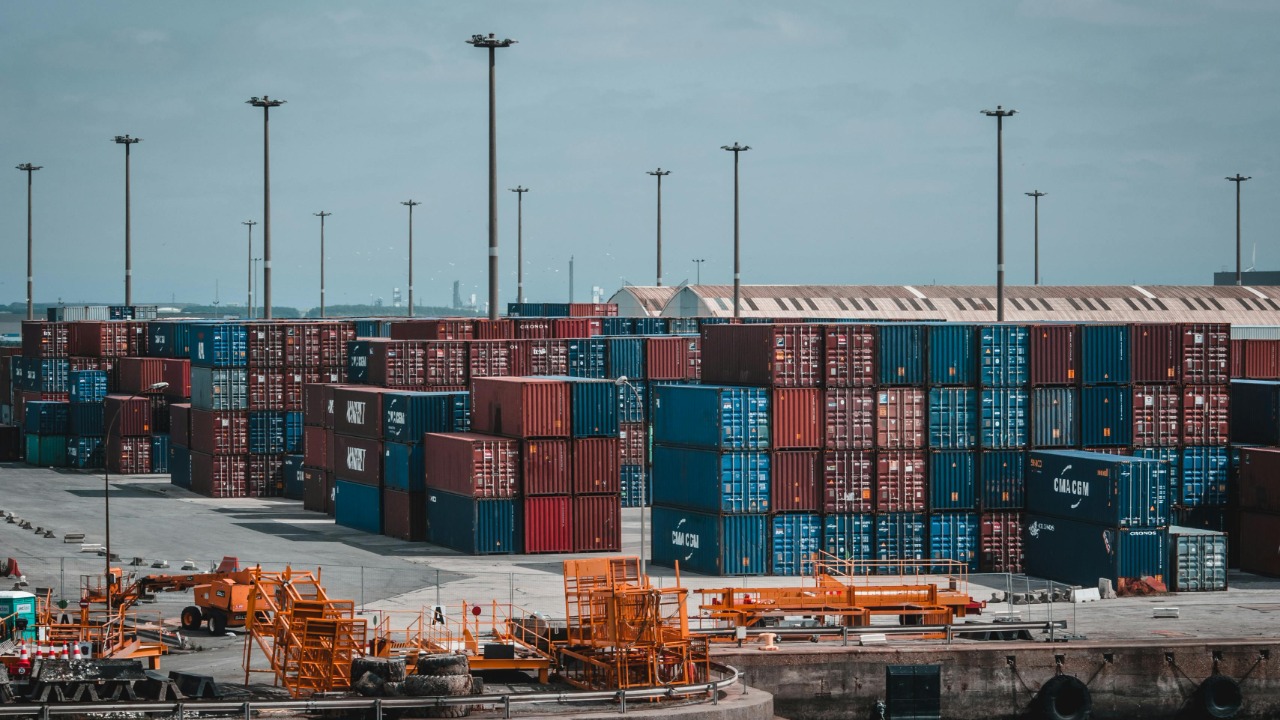
To mitigate the impact of tariffs, businesses can consider cost-cutting alternatives such as sourcing from domestic suppliers. A Midwest manufacturer, for example, reduced import dependency by 30% to offset 10% tariff hikes. This strategy not only helps manage costs but also supports local economies. Another effective approach is phased price adjustments, such as gradual 2-5% increases over six months, which can test customer tolerance. A survey found that 70% of owners reported success in avoiding volume loss with this method.
Inventory management tactics, like bulk pre-tariff purchases, can also be beneficial. A New York importer locked in costs and avoided a projected 18% price jump in April 2025 by purchasing inventory ahead of the tariff increases. These strategies require careful planning but can provide significant financial relief.
Communicating Changes to Customers

There is an ongoing debate about whether to display tariff costs on receipts. According to a Forbes poll, 55% of small business owners favor transparency to build trust. A Florida retailer’s initiative to display these costs boosted customer understanding, demonstrating the potential benefits of clear communication.
Effective messaging can also involve explaining tariffs via in-store signage or emails. A Seattle cafe chain, for example, shared cost breakdowns with customers to retain 95% loyalty, showing that transparency can mitigate negative reactions. Legal considerations are also important; businesses must ensure compliance with FTC guidelines to avoid misleading claims during the 2025 tariff rollouts.
Long-Term Adaptation Tips
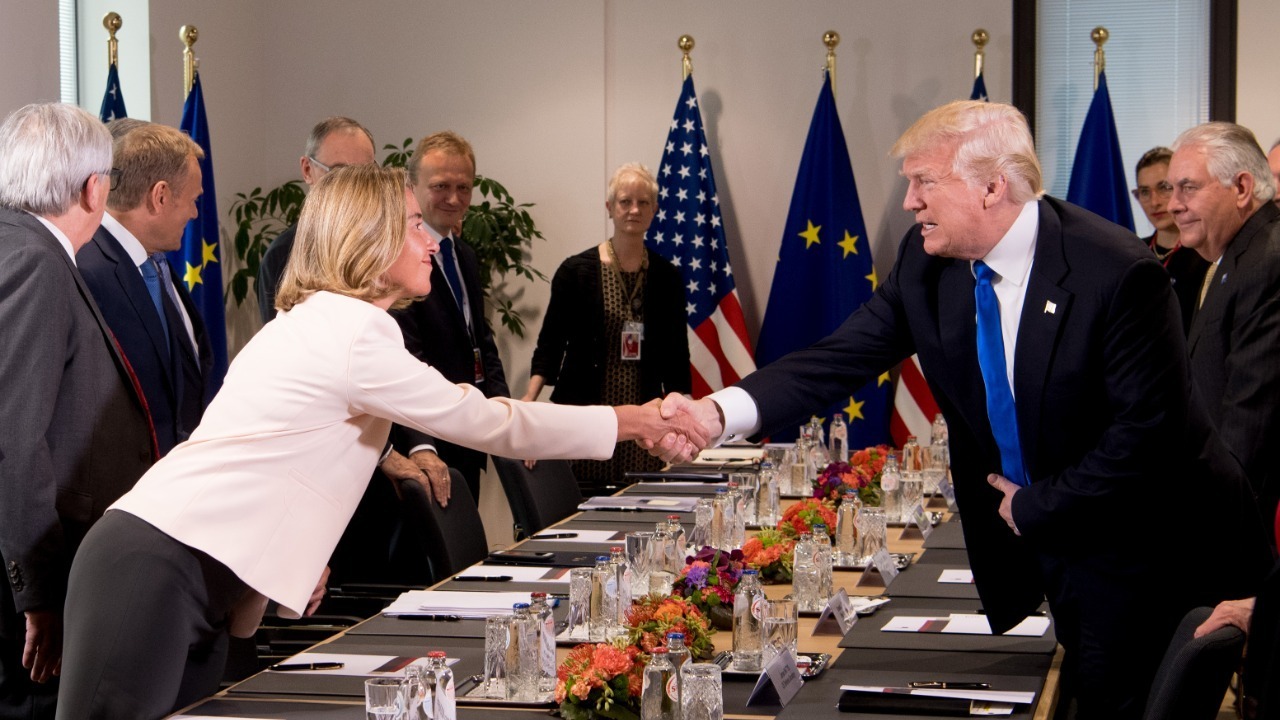
Supply chain diversification is crucial for long-term adaptation. Businesses shifting to Vietnam or U.S. alternatives amid 60% China tariffs have reported 25% cost savings. This strategy not only reduces dependency on high-tariff regions but also enhances resilience against future trade disruptions.
Financial planning tools, like scenario modeling for 10-25% cost increases, can help businesses prepare for the 2025 impacts. According to Business Insider, small firms are using software to simulate these impacts, allowing them to make informed decisions. Additionally, forming cooperatives to negotiate bulk deals can mitigate tariff effects. A group of 200 small owners successfully employed this strategy post-April 2025, demonstrating the power of collaboration in overcoming economic challenges.

Grant Mercer covers market dynamics, business trends, and the economic forces driving growth across industries. His analysis connects macro movements with real-world implications for investors, entrepreneurs, and professionals. Through his work at The Daily Overview, Grant helps readers understand how markets function and where opportunities may emerge.

