
Bidding on storage units at auction can be a thrilling yet risky venture. While some bidders walk away with valuable treasures, others find themselves with little more than someone else’s forgotten belongings. So, how can you determine if a storage unit is worth the bid? Here are key signs and strategies to help you spot a potentially profitable unit.
Assessing the Unit’s Contents

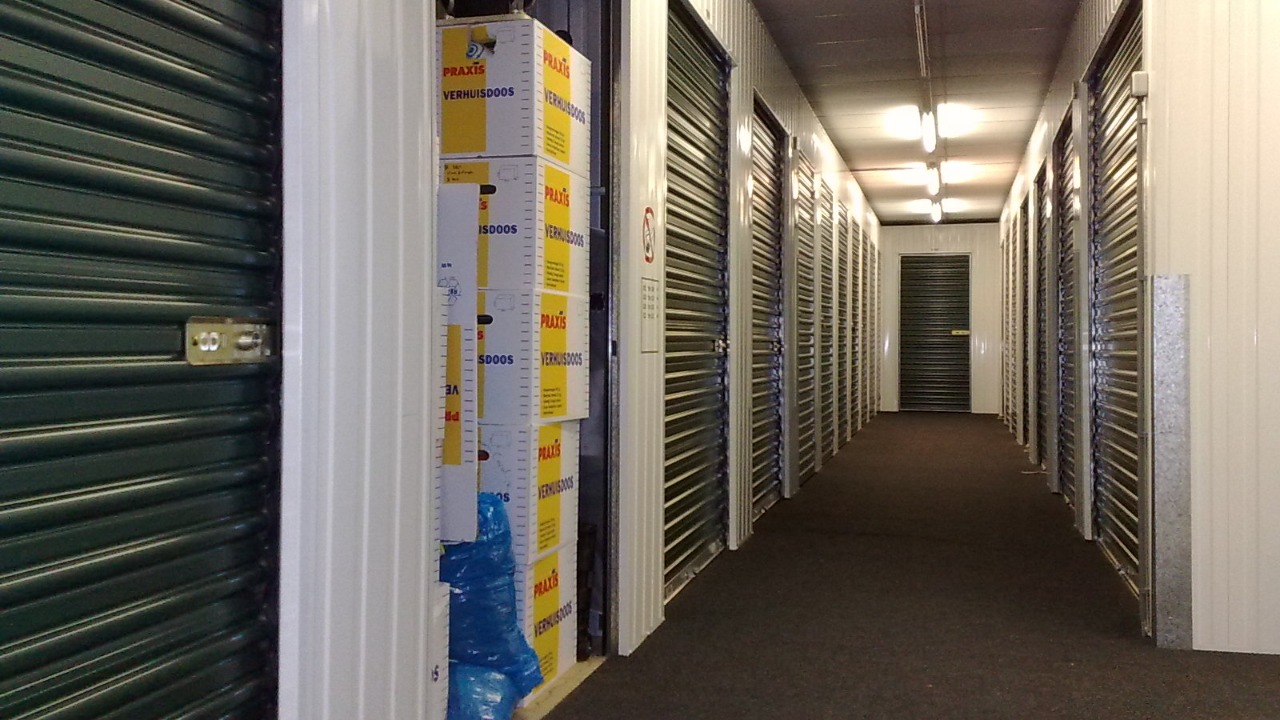
One of the first steps in assessing a storage unit’s value is examining the visible contents. High-value items like electronics, antique furniture, or branded boxes can indicate that the unit might be worth the bid. For instance, spotting a well-preserved mid-century modern chair or a state-of-the-art television set could mean there’s more treasure behind those initial items. Branded boxes, such as those from Apple or Sony, suggest quality contents that may fetch a good price on resale.
The organization and cleanliness of a unit also offer clues about its potential worth. A well-organized unit, where items are arranged neatly and appear well-cared for, suggests that the previous owner valued their belongings. This increases the probability of uncovering valuable items inside. Conversely, a cluttered or dirty unit might signal that the contents were abandoned without much thought.
Sealed boxes can be another indicator of valuable contents. Boxes that are sealed and labeled suggest the owner took care to pack and store their belongings with purpose. Labels can offer hints about what’s inside, and sealed boxes imply that items were important enough to protect. This can be a promising sign that valuable items are waiting to be discovered
Evaluating Owner Clues
Investigating the previous owner’s background can provide invaluable insights into the potential value of a storage unit’s contents. If you can find information about the owner, such as their business or professional background, it might suggest whether they stored valuable items. For example, if the owner was known to have a passion for collecting art or antiques, this could be a promising lead.
The location of the storage unit is another crucial factor to consider. Units situated in affluent areas often contain high-end items, as individuals in these locations may own and store more valuable goods. If a unit is in a well-to-do neighborhood, it might be worth a closer inspection even before the auction begins.
Personal effects, such as photographs or documents, can indicate that a unit was abandoned suddenly or unexpectedly. Such items suggest that the owner did not intend to leave their belongings behind, which could mean that valuable items were left unintentionally. This scenario often happens when the owner faces unforeseen circumstances, leaving potentially profitable items behind.
Understanding Auction Dynamics

Paying attention to the behavior of other bidders can provide valuable insights during an auction. Seasoned bidders often have a keen eye for identifying valuable units. If experienced auction-goers are showing interest in a particular unit, it might be a sign that there’s something worthwhile inside. Observing their cues and bidding patterns can be a useful strategy.
Auctioneers sometimes offer subtle hints about the contents of a unit. While they must remain neutral, their tone, comments, or even the amount of time they spend on a particular unit can provide clues about its potential value. It’s essential to listen carefully to any hints or cues they might drop during the auction.
Understanding the bid history can also offer insights into the storage facility’s auction dynamics. Facilities with frequent auctions might mean that units often contain valuable items, leading to competitive bidding. Reviewing past bid amounts can give you an idea of what others have been willing to pay, helping you gauge the potential value of the unit.
Financial Considerations

Setting a budget is crucial before entering any auction. Determine a maximum bid amount to avoid overspending, considering the potential resale value of visible items and the risk of unknown contents. This strategy ensures you maintain control over your finances and avoid the allure of a bidding war.
Factor in additional costs, such as transportation, cleaning, and potential disposal of unwanted items, when calculating the total investment required for a unit. These expenses can add up quickly, impacting your overall profit margin. By accounting for these costs upfront, you can make a more informed bidding decision.
Researching the local resale market is vital to ensure there’s demand for the types of items you anticipate finding in a unit. Understanding what sells well in your area can help you decide if a unit is worth the investment. For example, vintage furniture may have a strong resale market in urban areas, while electronics might be more profitable in tech-savvy communities.
Leveraging Professional Insights

Engaging with experienced bidders can provide valuable insights and tips specific to the storage auction landscape. Seasoned auction hunters often have a wealth of knowledge about spotting valuable units and understanding the nuances of auctions. Consider attending online forums or local meetup groups to connect with experienced individuals.
Utilizing technology and apps can streamline the auction process, helping you track bids, assess unit value, and manage inventory efficiently. Apps like AuctionZip and Storage Treasures offer tools to enhance your bidding strategy and make informed decisions. These technologies can be particularly beneficial for new bidders looking to gain a competitive edge.
Staying informed on trends and best practices within the auction industry is crucial for success. Reading relevant blogs, forums, and publications is a great way to enhance your bidding strategy. Websites like Extra Space Storage and Safeguard Self Storage offer valuable insights and tips for identifying profitable storage units.

Elias Broderick specializes in residential and commercial real estate, with a focus on market cycles, property fundamentals, and investment strategy. His writing translates complex housing and development trends into clear insights for both new and experienced investors. At The Daily Overview, Elias explores how real estate fits into long-term wealth planning.

