
Managing your finances effectively often involves balancing how much money you keep in your checking account. While it might seem safe to have a substantial balance, there are several signs that you might be keeping too much money in your checking account. Understanding these signs can help you make better financial decisions and potentially increase your savings or investment returns.
1. Your checking balance far exceeds immediate needs

One of the clearest indicators that you might be holding too much money in your checking account is when your balance significantly surpasses your immediate financial needs. According to The Globe and Mail, maintaining a balance that covers more than a few months of expenses can be excessive. This excess could be better utilized in higher-yield savings accounts or investments that offer growth potential.
Keeping a large sum in your checking account might feel secure, but it often results in missed opportunities for financial growth. By reallocating some of these funds into diversified investments or savings accounts, you can potentially earn more interest and improve your overall financial health.
2. Funds are sitting idle without growth potential

Another sign that you might be keeping too much money in your checking account is when your funds are not being utilized for growth. As noted by Business Insider, idle funds in a checking account do not earn significant interest, which means you are missing out on potential earnings. Checking accounts typically offer minimal interest rates compared to other financial products.
To maximize your financial potential, consider transferring excess funds to accounts that offer better returns, such as high-yield savings accounts or investment portfolios. This strategy not only helps in growing your wealth but also ensures that your money is working for you rather than sitting idle.
3. Excess cash mirrors patterns in savings overflow
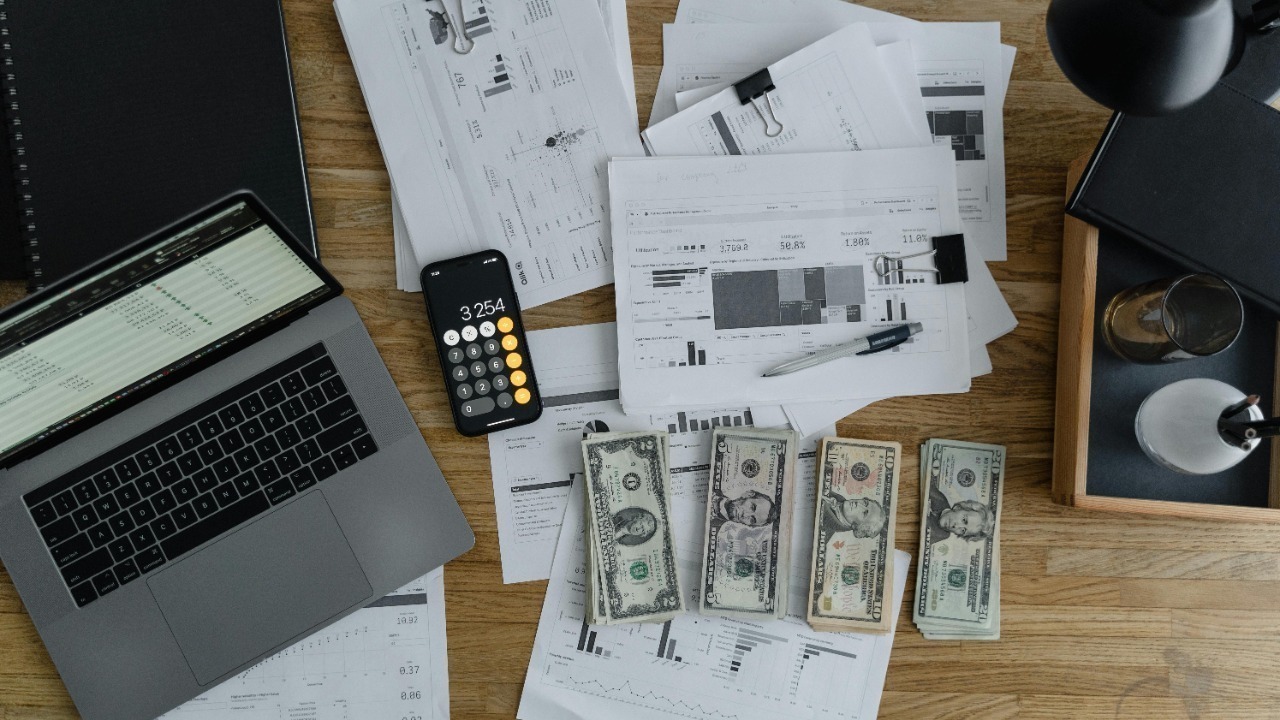
Having too much cash in your checking account can mirror the same issues as having excess funds in a low-yield savings account. According to The Motley Fool, both scenarios can lead to missed opportunities for higher returns. If your checking account balance is consistently high, it might be time to reassess your financial strategy.
Consider diversifying your funds into different financial instruments that offer better returns. This approach not only helps in mitigating risks but also enhances your financial portfolio’s overall performance. By doing so, you can ensure that your money is not just safe but also growing effectively.
4. You’re incurring hidden losses from inactivity

Keeping too much money in your checking account can lead to hidden financial losses due to inactivity. As highlighted by Yahoo Finance, over-saving in low-interest accounts can result in losing out on potential earnings. This financial drag can be avoided by actively managing your funds and seeking better investment opportunities.
By reallocating your excess checking account balance into higher-yielding options, you can prevent these hidden losses. This proactive approach not only safeguards your wealth but also enhances your financial growth over time, ensuring that your money is working as hard as you are.
5. All assets remain in a single low-benefit account

Concentrating all your assets in a single checking account can be detrimental to your financial health. CNBC explains that diversifying your funds across different accounts and investments can provide better security and returns. Relying solely on a checking account limits your financial flexibility and growth potential.
To optimize your financial strategy, consider spreading your assets across various financial products. This diversification not only reduces risk but also increases the potential for higher returns. By doing so, you can ensure that your financial resources are effectively utilized and protected against unforeseen economic changes.

Silas Redman writes about the structure of modern banking, financial regulations, and the rules that govern money movement. His work examines how institutions, policies, and compliance frameworks affect individuals and businesses alike. At The Daily Overview, Silas aims to help readers better understand the systems operating behind everyday financial decisions.

