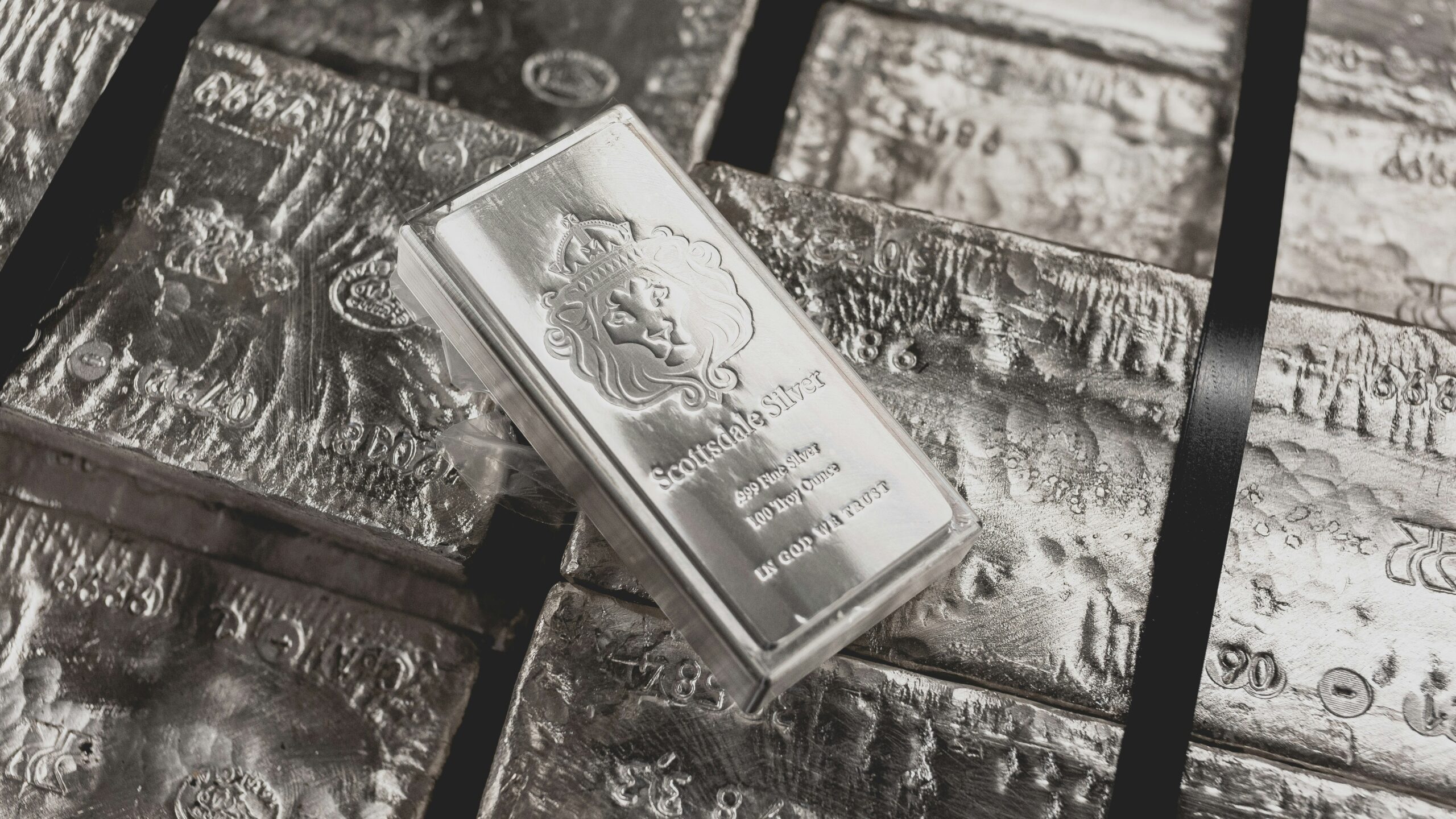
Precious metals surged on February 20, 2026, after the Supreme Court struck down tariffs imposed under the International Emergency Economic Powers Act and President Trump responded by announcing a 15% global import surcharge under a different legal authority. Silver posted a roughly 9% gain while gold rose, as investors reacted to the tariff ruling, the White House’s policy response, and rising U.S.-Iran tensions that boosted safe-haven demand.
Supreme Court Rejects IEEPA Tariff Authority
In its decision in Learning Resources, Inc. v. Trump (No. 24-1287), the Supreme Court said IEEPA does not authorize tariffs or duties as a basis for imposing them. The Court framed its ruling in separation-of-powers terms, finding that clear congressional authorization is required before the executive branch can levy import taxes. The case had been docketed on June 17, 2025, and oral arguments earlier this term pressed the government on whether emergency economic powers could stretch to cover trade barriers that Congress never explicitly granted.
The practical fallout is significant but incomplete. The ruling invalidated many existing duties, yet the treatment of tariffs already collected from importers remains unresolved, according to an Associated Press account. That legal limbo leaves the status of previously collected duties unresolved: businesses that paid them have no clear path to refunds, and the federal government’s obligations are not yet settled, according to the AP. For companies that built supply chains around the assumption those tariffs were permanent, the decision creates a strange dual uncertainty, where the old levies are gone but the financial damage they inflicted is not yet reversible.
Trump Pivots to Section 122 Surcharge
Within hours of the ruling, the White House issued a new proclamation under Section 122 of the Trade Act of 1974, with the text posted in an official presidential action announcing a temporary import surcharge. The statute caps such a surcharge at up to 15% ad valorem and limits its duration to 150 days unless Congress votes to extend it. Trump told reporters he would set the surcharge at 15%, framing the move as a lawful alternative after the Court blocked the IEEPA route and portraying the measure as necessary to address U.S. balance-of-payments strains.
The pivot carries a built-in expiration date that changes the strategic calculus for trading partners. A 150-day window gives foreign governments less reason to negotiate permanent concessions and more incentive to simply wait out the surcharge. It also shifts the political burden to Congress: if lawmakers decline to extend the measure, the administration loses its tariff leverage entirely. Reporting in the financial press has indicated that officials are exploring additional statutory pathways beyond Section 122, suggesting the 15% surcharge may be a stopgap rather than a final position. For importers and retailers, the near-term effect is a fresh round of cost increases layered on top of the confusion surrounding refunds from the now-invalidated IEEPA tariffs, complicating pricing decisions just as firms head into the midyear ordering cycle.
Iran Tensions Add Geopolitical Fuel
The tariff shock alone would have been enough to lift metals prices, but a simultaneous escalation with Iran amplified the safe-haven rush. Trump told a reporter that he is “considering” limited strikes on Iran, according to an account carried by the Washington Post. That on-the-record statement moved the threat from background noise to an explicit policy option, giving traders a concrete reason to price in military risk and reviving memories of earlier flare-ups in the Persian Gulf that roiled energy and currency markets.
The effects were already visible on the ground in Tehran, where residents stockpiled goods and markets showed signs of stress, according to the Financial Times. The combination of a sitting president openly weighing strikes and a population bracing for attack creates a feedback loop: each side’s actions validate the other’s worst-case assumptions. For commodity markets, the Iran dimension matters because any military engagement in the Persian Gulf region threatens oil supply routes, which in turn feeds inflation expectations and makes gold and silver more attractive as stores of value. The perception that policymakers are willing to use force also undermines confidence in diplomatic solutions, nudging institutional investors toward assets that are less exposed to sanctions, currency swings, or sudden disruptions in global shipping lanes.
Why Metals Moved So Fast
Precious metal futures were volatile on February 20 as markets digested the Supreme Court’s tariff ruling and the White House’s Section 122 response. Silver’s outsized move relative to gold reflects its dual identity as both an industrial and a monetary metal. When trade policy shifts abruptly, silver tends to swing harder because supply chain disruptions affect its industrial demand at the same time that safe-haven flows lift its monetary premium. Gold, while posting a strong session, responded more to the geopolitical risk channel and the broader uncertainty about U.S. trade architecture, with traders reassessing how much protection the dollar and Treasury markets can offer if policy becomes more erratic.
Most coverage has treated the metals rally as a straightforward fear trade, but the more telling signal may be what it says about institutional positioning. The Supreme Court opinion did not merely block one set of tariffs: it underscored that IEEPA lacks tariff authority, raising broader questions about how far emergency economic powers can be used in trade policy. That raises the specter of further challenges to other emergency-based economic measures and forces investors to contemplate a more constrained executive branch in future trade fights. The Section 122 replacement is narrower, time-limited, and more explicitly tethered to congressional oversight, so markets are now pricing in the possibility that tariff policy could swing sharply with each new statute or vote rather than resting on a broad, standing emergency power.
Legal Uncertainty and Market Psychology
For traders, the most destabilizing aspect of the Court’s decision is not just the immediate impact on tariff schedules but the broader signal about how far presidents can stretch economic emergency laws. The ruling reinforces the so-called “major questions” doctrine, which requires clear congressional authorization for sweeping policy moves, and that doctrine is now front of mind for investors evaluating any future attempt to weaponize trade tools. Legal analysts have said companies may seek refunds or other relief following the ruling, but the outcome of any litigation remains uncertain. Until courts or Congress resolve the status of past collections, corporate treasurers must carry contingent assets or liabilities on their books, a technical accounting wrinkle that nonetheless feeds into risk models and credit assessments.
The combination of legal flux, tariff churn, and geopolitical risk creates a textbook environment for a flight to quality. Gold and silver benefit not only from their historical role as crisis hedges but also from their insulation from the specific legal uncertainties now swirling around trade law. Unlike a tariff preference or a sanctions waiver, a bar of bullion does not depend on statutory authority or regulatory discretion. As a result, even modest headlines about court rulings or presidential threats can trigger outsize moves when they arrive against a backdrop of already-elevated anxiety. The February 20 spike in metals prices reflects that dynamic: a sudden repricing of legal risk, compounded by fears of conflict with Iran, and channeled into assets that investors perceive as sitting outside the contested zone of executive power and congressional oversight.
More From The Daily Overview
*This article was researched with the help of AI, with human editors creating the final content.

Grant Mercer covers market dynamics, business trends, and the economic forces driving growth across industries. His analysis connects macro movements with real-world implications for investors, entrepreneurs, and professionals. Through his work at The Daily Overview, Grant helps readers understand how markets function and where opportunities may emerge.

