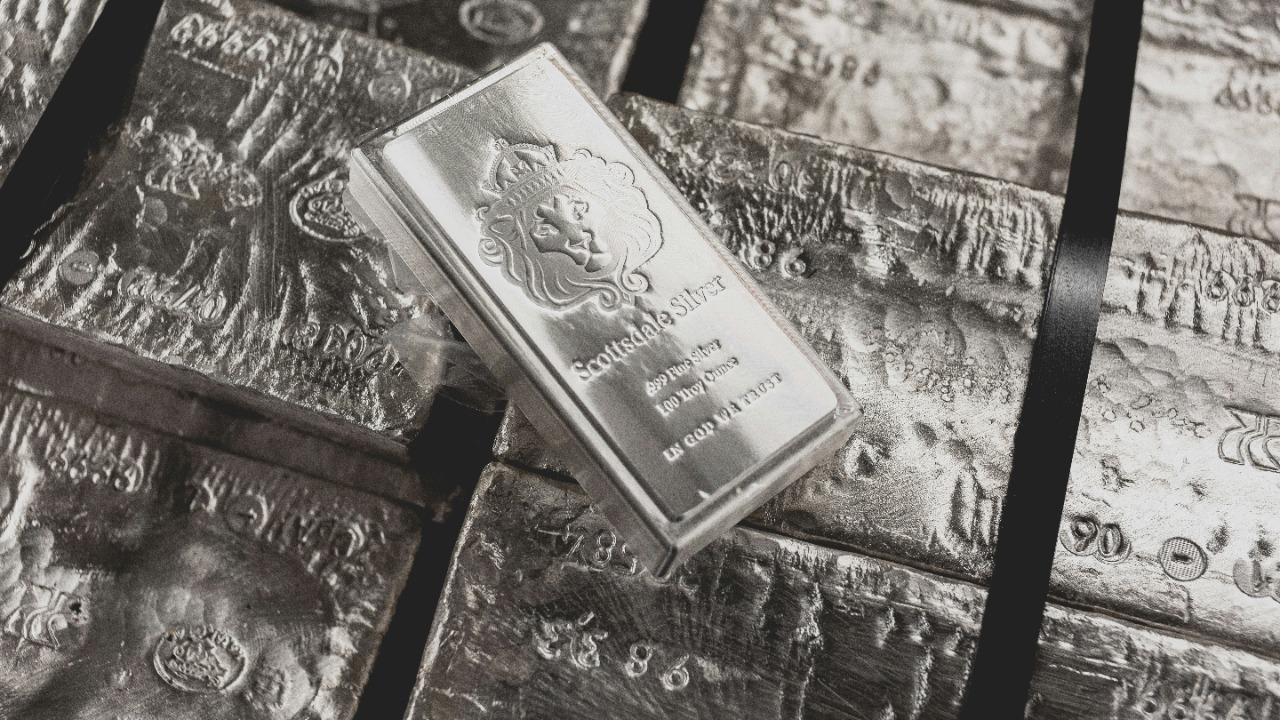
Silver prices have once again surged past the $50 per ounce mark, a significant psychological and technical milestone that has captured the attention of market analysts. This resurgence highlights silver’s enduring appeal amid economic uncertainties and suggests potential for further gains if this level is maintained. For investors, this development also raises questions about the implications for gold, as both metals often react to similar economic and geopolitical factors.
The $50 Threshold as a Market Indicator
The $50 per ounce level for silver has historically served as a critical resistance point, often preceding sustained rallies in the precious metals market. Analysts have long regarded this threshold as a key indicator for potential upward movements in both silver and gold prices. According to recent analysis, surpassing this level could signal a broader bullish trend in the market, especially if silver maintains its position above this mark without succumbing to short-term volatility. Technical factors such as moving averages and volume spikes have supported silver’s recent push above $50, reinforcing the potential for a sustained rally here.
Beyond speculation, industrial demand plays a crucial role in silver’s price dynamics. The metal is essential in various industries, including solar panel production and electronics, which have seen increased demand. This industrial demand underscores the importance of the $50 breakthrough, suggesting that the price surge is not solely driven by speculative trading but also by fundamental market needs. As industries continue to expand, the demand for silver could further bolster its price, making the $50 level a significant milestone for both investors and industrial stakeholders.
Recent Surges in Gold and Silver Prices
In mid-October 2025, both gold and silver experienced a coordinated surge, breaking through key technical levels. This event set the stage for silver’s subsequent climb above $50 per ounce. The simultaneous breakthrough of these metals was driven by macroeconomic catalysts, including inflation data and central bank policies, which provided the initial momentum that carried into November. The alignment of silver’s movement with gold’s surge above its own critical levels reinforced market confidence, suggesting a robust underlying demand for precious metals as reported.
Trading volume and price action specifics from the October event highlight the market’s response to these developments. The increased trading activity and price movements indicate a strong investor interest in precious metals, driven by both economic conditions and technical factors. This surge in activity suggests that the market views the current price levels as sustainable, provided that the underlying economic conditions remain favorable. As such, the recent price movements in gold and silver could signal a longer-term trend rather than a temporary spike.
Implications for Gold Amid Silver’s Milestone
The historical correlation between silver and gold prices suggests that silver’s breach of the $50 per ounce mark could act as a leading indicator for gold to test higher targets, such as $2,700 per ounce. This relationship is rooted in the similar economic and geopolitical pressures that influence both metals. As silver continues to hold above this critical level, it could pave the way for gold to achieve new highs, offering investors potential opportunities for profit as noted.
Potential trajectories for gold prices are closely tied to the sustained strength of silver. If silver maintains its position above $50, it could push gold ratios toward more favorable investor positioning, enhancing the appeal of gold as a safe-haven asset. This scenario is particularly relevant in the context of ongoing economic uncertainties, where investors seek stability and security in precious metals. The shared risk factors, such as dollar weakness and safe-haven demand, further link the fortunes of gold and silver, suggesting that both metals could benefit from continued economic volatility as highlighted.
More From TheDailyOverview
- Dave Ramsey says these two simple questions show whether you’re rich or poor
- Retired But Want To Work? Try These 18 Jobs for Seniors That Pay Weekly
- IRS raises capital gains thresholds for 2026 and what’s new
- 12 ways to make $5,000 fast that actually work

Grant Mercer covers market dynamics, business trends, and the economic forces driving growth across industries. His analysis connects macro movements with real-world implications for investors, entrepreneurs, and professionals. Through his work at The Daily Overview, Grant helps readers understand how markets function and where opportunities may emerge.

