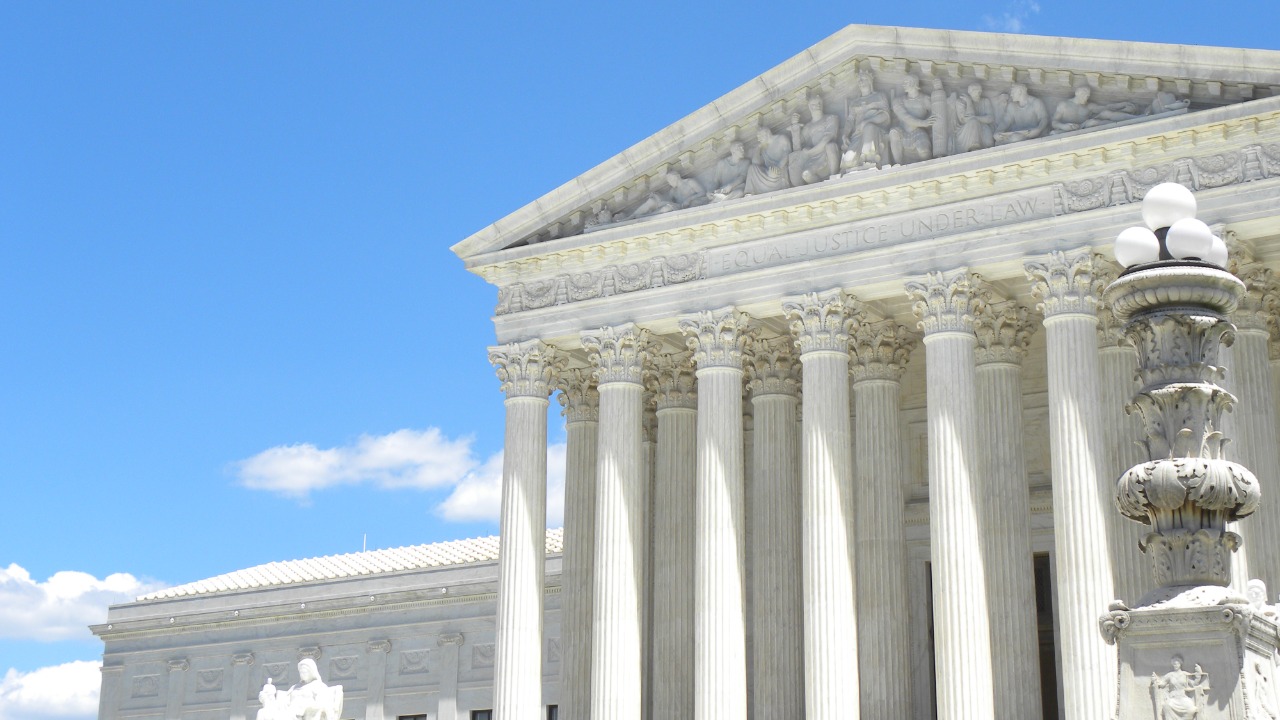
The Supreme Court struck down President Trump’s sweeping global tariffs, delivering a ruling that small importers across the country had been waiting on for months, according to coverage from the Associated Press and other outlets. For some business owners who say their costs climbed by tens of thousands of dollars under the tariff regime, the decision brought a sense of relief. But the White House has signaled it will pursue other trade measures, meaning any reprieve could be short-lived and leaving small operators caught between a legal victory and fresh uncertainty.
How the Tariff Regime Hit Small Importers
The financial pressure on small businesses built in stages. Early in 2025, the White House issued an executive order imposing emergency duties on a wide range of Chinese imports, framing the action as a response to the synthetic opioid supply chain. That order included specific effective-date language and modifications to the Harmonized Tariff Schedule, meaning importers had little runway to adjust sourcing or pricing before the new costs kicked in. For businesses that relied on affordable Chinese-manufactured goods, the duties landed like an overnight surcharge on every container, immediately eroding already thin profit margins and complicating long-term contracts that had been priced under the old rules.
The squeeze tightened further when a follow-up executive order in April amended the China-duty policy to address de minimis treatment and collection systems for low-value shipments. That change closed a loophole many smaller importers had used to bring in goods valued under $800 without paying full duties. Many small businesses say the combined effect pushed their costs up by tens of thousands of dollars, forcing owners to choose between absorbing losses and passing higher prices to customers. Some owners have described delaying expansion plans or making other cutbacks as they tried to renegotiate with overseas suppliers, while also finding that alternative sources could be more expensive or difficult to secure.
The Reciprocal Tariff That Went Global
China-specific duties were only part of the picture. Executive Order 14257, as archived by the American Presidency Project, established a baseline 10% tariff on imports from dozens of countries, with higher rates for listed trading partners. The stated goal was to rectify trade practices that contribute to large and persistent annual United States goods trade deficits, using a reciprocal standard that tied U.S. rates to those charged by other nations. For a small importer sourcing electronics from Vietnam, textiles from Bangladesh, or auto parts from the European Union, the order meant that virtually every shipment now carried an added cost regardless of origin, transforming what had been targeted trade actions into a near-universal surcharge on global commerce.
The layered structure of these orders created a compounding problem. A business importing Chinese-made components faced the opioid-related IEEPA duties and the reciprocal tariff simultaneously, with no clear mechanism for relief or individualized exemptions. Before the Supreme Court ruling, the tariff regime was expected to raise about $3 trillion in revenue over the next nine years, according to New York Times reporting, underscoring the scale of money being extracted from importers and, by extension, from consumers paying higher shelf prices. Small businesses without the buying power to negotiate volume discounts or quickly shift supply chains bore a disproportionate share of that burden, often watching larger rivals secure better terms or move production in ways that were simply out of reach for smaller firms.
What the Supreme Court Actually Decided
In its ruling, the Court rejected the administration’s use of emergency economic powers to support the sweeping tariff program, with the Associated Press reporting that the tariffs were struck down as unlawful. The decision centered on limits to the executive branch’s authority to impose broad trade barriers without new legislation. The ruling knocked out the reciprocal tariff framework and raised new questions about the durability of other IEEPA-linked trade actions that were being litigated.
The decision did not arrive in a vacuum. The IEEPA-based duties had already become part of legal challenges analyzed by lower courts before reaching the Supreme Court, and trade lawyers had warned that the administration’s interpretation invited a separation-of-powers clash. By striking down the broader tariff authority, the justices effectively pulled the legal foundation out from under multiple overlapping trade orders, including those linked to the synthetic opioid rationale and the reciprocal tariff structure. That breadth is what made the ruling so significant for small businesses: it did not simply trim one tariff rate or carve out an exemption. It challenged the entire mechanism the administration had used to impose duties without congressional approval, reasserting Congress’s central role in setting tariff policy and narrowing the path for future presidents who might seek to act alone.
Relief and Anxiety in Equal Measure
Across the country, business owners greeted the ruling with a mix of celebration and caution. Reporting from New York Times correspondents described businesses cheering tariff relief while simultaneously bracing for new uncertainty, as emails from suppliers and trade groups began flooding inboxes within hours of the decision. That dual reaction captures the core tension: the Court removed one set of costs, but the administration signaled it would not accept the decision quietly and would look for other ways to pressure trading partners. For a small importer who lost tens of thousands of dollars over the past year, the ruling validates what many had argued all along, that the tariffs exceeded presidential authority. But validation does not automatically restore lost revenue, unwind price hikes that drove away customers, or repair strained relationships with overseas manufacturers who had been whipsawed by shifting U.S. policy.
The celebration is also tempered by the practical questions that now dominate day-to-day planning. Many small importers are asking whether they will be able to seek refunds for duties already paid, how long any claims process might take, and whether new tariffs crafted under different legal theories will simply replace the old ones before they can fully recover. Trade attorneys are advising clients to preserve records and file protective claims while they wait for guidance from customs authorities, even as they warn that Congress could respond with its own legislation to codify some version of the tariff framework. For owners who spent the past year cutting staff, delaying equipment purchases, or dipping into personal savings to stay afloat, the ruling feels less like a clean break and more like the start of another round of complex, high-stakes decisions.
What Comes Next for Small Importers
In the immediate aftermath of the decision, the White House said it would pursue other trade measures, signaling that tariffs or related tools remain central to its economic strategy. That pledge ensures that uncertainty will continue to shape the outlook for small importers, even as they welcome the end of the current regime. Many are now reassessing their supply chains, weighing whether to diversify away from countries that have been frequent targets of U.S. trade actions, or to double down on long-standing relationships in the hope that future policies will be narrower and more predictable. Industry associations are pressing lawmakers for clearer guardrails on presidential tariff authority, arguing that only Congress can provide the stability businesses need to make multi-year investment and hiring decisions.
Legal scholars and policy analysts are also parsing the ruling’s implications for executive power more broadly. Some note that the decision aligns with a longer-running judicial trend of reining in expansive readings of emergency statutes, a shift that has implications far beyond trade. Institutions like the University of California, Santa Barbara have played a role in preserving detailed records of executive actions, giving researchers and advocates tools to track how emergency powers evolve over time and how courts respond. For small importers, however, the debate is less abstract. They are focused on whether the next round of policies will be crafted with their vulnerabilities in mind, or whether they will once again find themselves paying the price for geopolitical strategies in which they have little voice and even less leverage.
More From The Daily Overview
*This article was researched with the help of AI, with human editors creating the final content.

Grant Mercer covers market dynamics, business trends, and the economic forces driving growth across industries. His analysis connects macro movements with real-world implications for investors, entrepreneurs, and professionals. Through his work at The Daily Overview, Grant helps readers understand how markets function and where opportunities may emerge.

