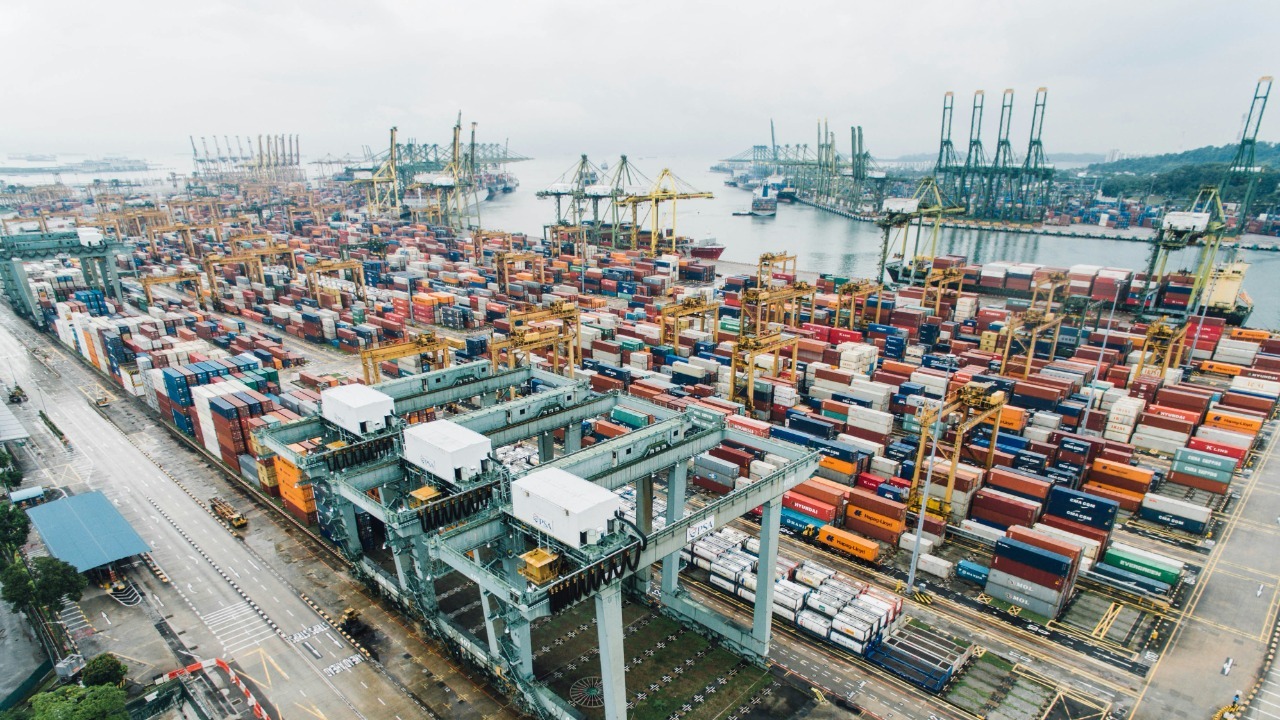
With the ongoing impact of tariffs on consumer goods, many are seeking strategies to mitigate potential price hikes. By understanding how tariffs affect pricing and exploring practical steps to avoid these increases, consumers can make informed decisions. Here are nine actionable ways to navigate the current economic landscape and keep costs down.
1. Stock Up on Essentials Now
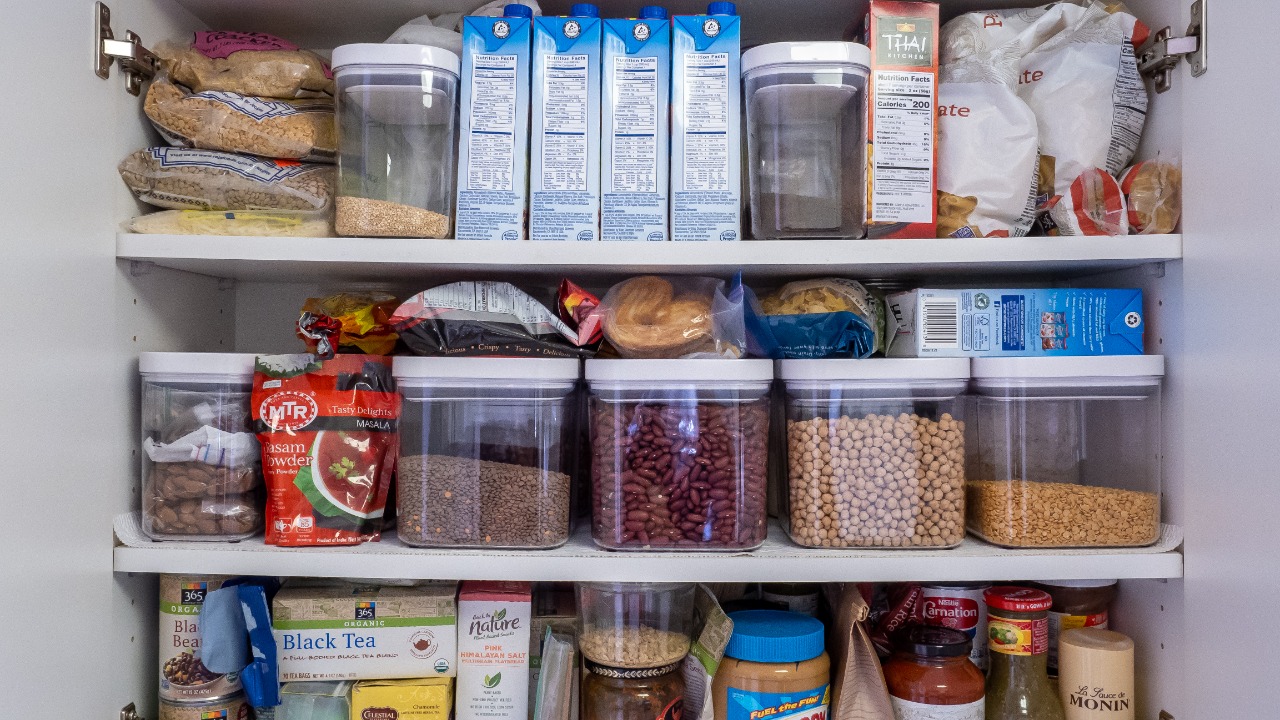
One effective strategy to avoid tariff-induced price hikes is to purchase non-perishable imported goods ahead of time. By buying items like canned foods or household supplies before tariffs take effect, consumers can lock in current prices and avoid future increases. This proactive approach ensures that you have a stockpile of essentials at a lower cost, providing peace of mind and financial stability in uncertain times. According to MoneyTalksNews, this tactic is particularly useful for goods that are likely to see significant price jumps.
2. Choose American-Made Products

Opting for domestically produced goods is another way to sidestep the effects of tariffs. By selecting American-made products, such as U.S.-sourced clothing or tools, consumers can avoid the additional costs that come with imported items. This not only supports local businesses but also reduces reliance on foreign suppliers who may pass on tariff costs to consumers. As highlighted by MoneyTalksNews, choosing domestic alternatives can be a financially savvy move in the current economic climate.
3. Shop Second-Hand Markets

Exploring second-hand markets is a practical way to avoid new product markups resulting from tariff-affected supply chains. Thrift stores, online resale platforms, and consignment shops offer used versions of products like electronics, which can be significantly cheaper than new items. This approach not only helps consumers save money but also promotes sustainability by reducing waste. As noted by MoneyTalksNews, shopping second-hand can be a smart financial decision in times of economic uncertainty.
4. Hunt for Discounts and Deals

Leveraging sales, coupons, and loyalty programs can help offset price hikes on tariff-impacted goods. Retailers often offer discounts and promotions that can significantly reduce the cost of items affected by tariffs. By staying vigilant and taking advantage of these opportunities, consumers can maintain their purchasing power despite rising prices. According to CNBC, many companies are citing tariffs as a reason for price increases, making it crucial for consumers to seek out these savings.
5. Buy in Larger Quantities
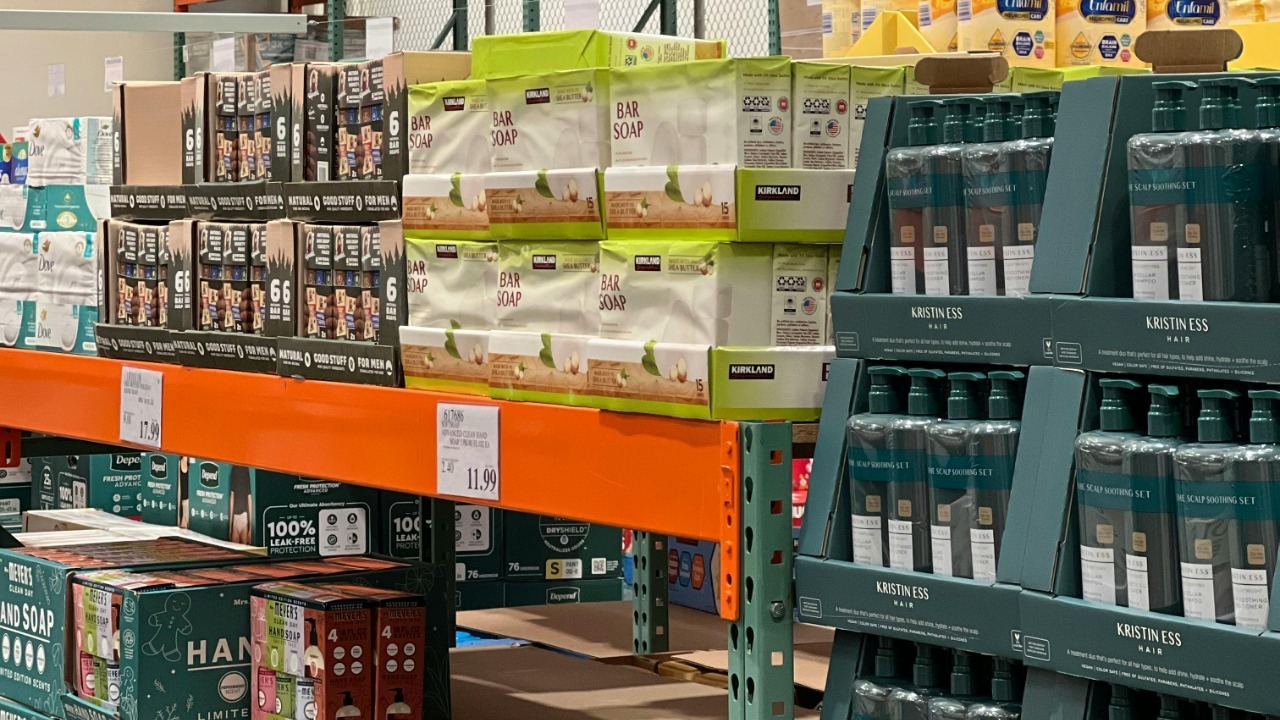
Purchasing items in bulk is another effective way to minimize the impact of tariff-induced price increases. By buying larger quantities of essentials like coffee or detergents, consumers can reduce the per-unit cost and shield themselves from future price hikes. This strategy not only saves money in the long run but also ensures that you have a steady supply of necessary goods. As reported by CNBC, bulk buying can be a cost-effective solution in the face of rising prices.
6. Switch to Affordable Alternatives

Switching to lower-cost substitutes or generic brands can help consumers avoid premium pricing on tariff-hit branded imports. By choosing domestic soaps over imported ones, for example, shoppers can sidestep opportunistic price gouging. This approach not only saves money but also encourages competition among brands, potentially leading to better prices overall. As highlighted by CNBC, opting for affordable alternatives is a practical way to navigate the current economic environment.
7. Compare Prices Across Stores

Regularly comparing prices across different retailers can help consumers identify opportunities to dodge tariff-driven hikes. Price-tracking apps and websites make it easy to find the best deals on items like toys or appliances, which are becoming more expensive due to tariffs. By staying informed and shopping around, consumers can ensure they are getting the best value for their money. According to AARP, this strategy is essential for avoiding unnecessary expenses.
8. Prioritize Local Sourcing

Supporting local or tariff-exempt producers is another way to preserve affordability in categories like apparel and electronics. By shopping from regional producers or markets, consumers can avoid the added costs associated with imported goods. This not only helps maintain budget-friendly prices but also supports local economies. As noted by AARP, prioritizing local sourcing can be a beneficial strategy in the face of rising tariffs.
9. Monitor Tariff News Closely

Staying informed about tariff policy changes allows consumers to adjust their shopping habits proactively. By keeping up with the latest developments, shoppers can anticipate cost increases and make timely purchases to avoid unexpected expenses. This approach not only helps consumers stay ahead of price hikes but also empowers them to make informed decisions. According to AARP, monitoring tariff news is crucial for navigating the current economic landscape effectively.

Cole Whitaker focuses on the fundamentals of money management, helping readers make smarter decisions around income, spending, saving, and long-term financial stability. His writing emphasizes clarity, discipline, and practical systems that work in real life. At The Daily Overview, Cole breaks down personal finance topics into straightforward guidance readers can apply immediately.

