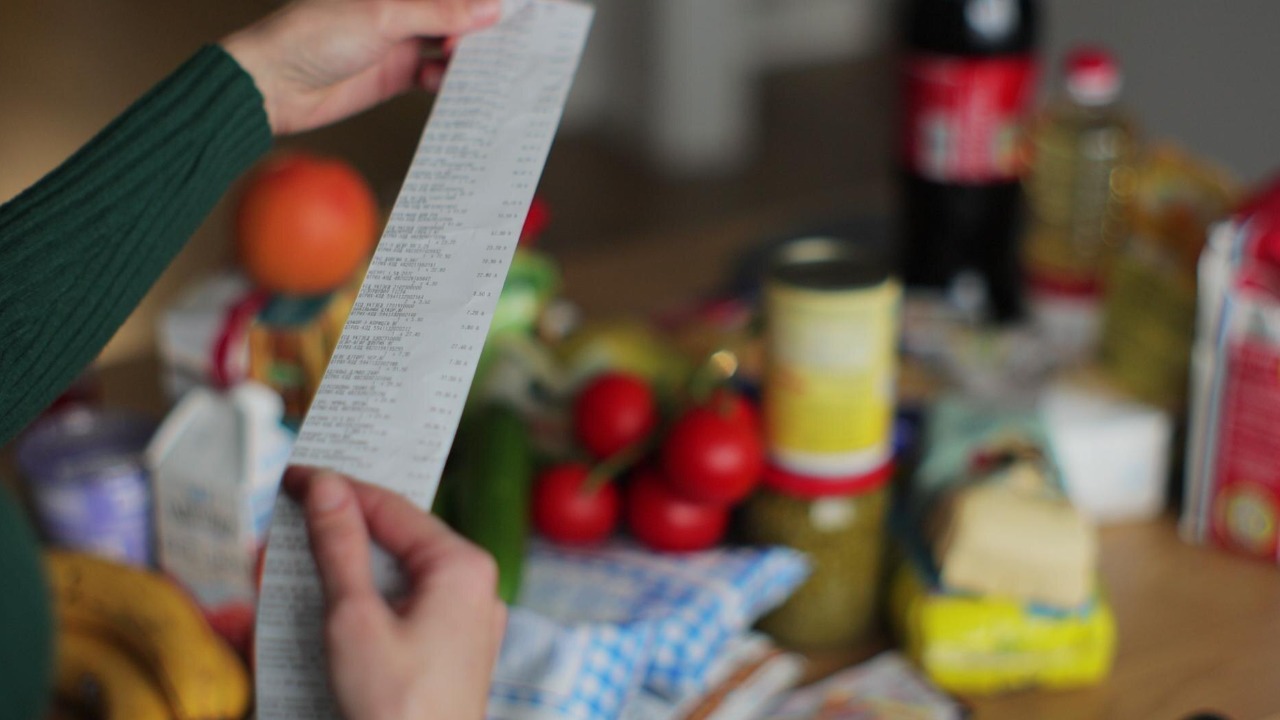
Across the United States, a quiet new line on grocery receipts is stirring loud frustration. A wave of carryout bag rules and checkout tweaks is turning what looks like pocket change into a recurring hit for shoppers who already feel squeezed by higher food prices. Many are discovering that the fee that seems trivial on one trip can quickly become the kind of cost you notice in your monthly budget. Instead of a single nationwide policy, shoppers are running into a patchwork of local and state rules, from plastic bag bans to mandatory paper bag charges and new rounding practices at big chains. I find that what unites these changes is not just the extra cents at the register, but the sense that the rules arrived with little warning, leaving customers to do the math in real time while their groceries roll down the belt.
The new “carryout” charge that keeps appearing
In supermarkets across the country, customers are spotting a fresh line on their receipts tied to updated carryout bag laws that took effect at the start of the year. Instead of quietly absorbing the cost of bags, stores are now required to charge shoppers a per‑bag fee, turning every plastic or paper sack into a small but visible surcharge. Reports describe Grocery shoppers suddenly confronting this extra line item as a “small but constant policy reminder” every time they check out. The updated rules are not confined to a single state, and they are not symbolic. In some places, the law that took effect in Jan requires retailers to collect a specific fee on each carryout bag, with the goal of cutting down on single‑use plastics and nudging people toward reusable options. One account notes that Jan brought a clear shift, as the charge moved from policy text to a real cost that shows up on every grocery run.
From Washington state to Montgomery County, the cents keep climbing
The impact is especially visible in places that already had bag rules and then raised the price. In one state, Retailers and restaurants are now required to charge 12 cents per plastic bag, up from a previous 8 cent fee, under a carryout law that took effect in Jan. Several counties there have increased the cost of single‑use plastic bags, turning what used to be a background environmental policy into a noticeable line item for anyone who forgets to bring a tote. Other regions are layering on their own versions. In Montgomery County, Maryland, officials have kept an 8 cent charge in place while similar fee increases rolled out elsewhere at the start of the year, creating a patchwork where a shopper can cross a county line and pay a different rate for the same bag. Coverage of these changes notes that Montgomery County, Maryland the fee remains unchanged at 8 cents even as other jurisdictions move to 12 cents, a difference that can add up quickly for commuters who shop in more than one area.
Philadelphia’s 10‑cent paper bag rule and city‑level backlash
City governments are also stepping in, sometimes going beyond state rules. In Philadelphia, a new city law that took effect this Jan requires shoppers to pay 10 cents for every paper bag they use in stores, a charge that applies even though plastic bags are already banned. The measure passed City Counci without Mayor Cherelle Parker’s signature, and residents are now weighing whether the environmental benefits justify the added cost each time they forget a reusable bag. Local reporting notes that the plastic bag ban has already encouraged Philadelphians to bring their own, but the new fee is raising concerns among residents who say the extra dime per bag “adds up” over a month of grocery and pharmacy trips, a reaction captured in coverage of Philadelphia. For lower income shoppers, the policy can feel less like a nudge and more like a penalty for not owning or remembering reusable bags. A family that needs five paper bags for a weekly grocery run now pays an extra 50 cents, or roughly $26 a year, just to get food home, and that is before counting quick corner‑store visits. The city’s supporters argue that the fee is a modest price for cleaner streets and fewer bags in landfills, but the people paying it are the ones standing at the register, watching the total tick up and wondering why a basic necessity has become another bill tied to City Counci decisions.
National carryout rules and the push toward reusable bags
Beyond individual cities, a broader wave of carryout legislation is reshaping how Americans bag their groceries. Shoppers throughout the U.S. are encountering steeper costs at supermarket registers as new rules require stores to charge for paper and plastic bags, with some states standardizing the fee at 12 cents per plastic carryout bag. One report notes that Shoppers now pay 12 cents per plastic carryout bag under a law aimed squarely at reducing single‑use plastics, turning each checkout into a small environmental policy test. Supporters of these laws argue that the fees are designed less to raise revenue and more to change behavior, by making disposable bags just expensive enough that people think twice. Coverage of the updated rules emphasizes that the law, which came into force in Jan, is meant to push shoppers to opt for reusable options, not to pad store profits. In some accounts, Shoppers are described as facing higher costs at the register while policymakers highlight the long term savings of less plastic waste, a tradeoff that is easier to defend in a hearing room than in a checkout line.
Kroger’s rounding rule and the end of the penny
Even when the fee is not labeled as a bag charge, shoppers are running into new checkout math. At Kroger, a change tied to the U.S. Treasury’s decision to halt penny production by early 2026 has left millions of customers fuming over how their totals are rounded. The policy, described in coverage of Treasury and a New Checkout Policy, effectively replaces exact penny pricing with rounding to the nearest 5 cents when customers pay with cash, a move that can leave totals slightly higher more often than not. The change has sparked what some describe as Kroger Checkout Chaos, with a New Shopping Rule Sparks Outrage Across customers who feel that the rounding almost always seems to favor the store. The U.S. Treasury’s move to end penny production, which follows similar decisions in Canada, Australia, and New Zealand, is framed as a cost saving measure for the government, but at the register it is experienced as one more way small amounts of money slip away from shoppers who are already counting every cent.
More From The Daily Overview
*This article was researched with the help of AI, with human editors creating the final content.

Silas Redman writes about the structure of modern banking, financial regulations, and the rules that govern money movement. His work examines how institutions, policies, and compliance frameworks affect individuals and businesses alike. At The Daily Overview, Silas aims to help readers better understand the systems operating behind everyday financial decisions.

