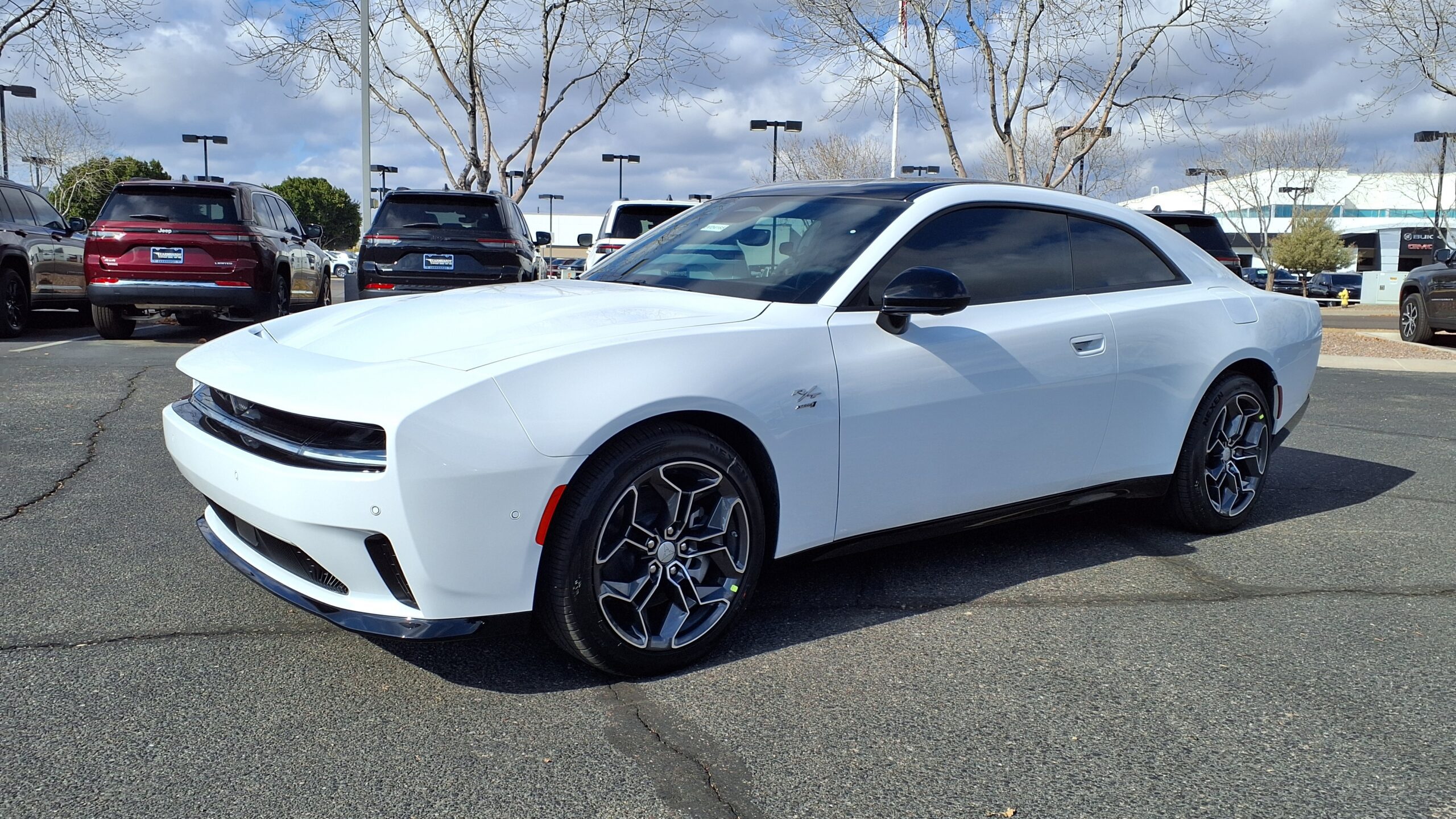
Stellantis is adding a third production shift at its Windsor Assembly Plant in Ontario, a move that will bring more than 1,700 employees onto the factory floor to build the next-generation Dodge Charger and Chrysler Pacifica minivan, according to CBC. The hiring wave represents a sharp reversal after a tariff-linked production halt reported by the AP, and it arrives as Canada prepares to claim Stellantis and GM owe hundreds of millions over subsidies and production commitments, according to The Wall Street Journal.
Windsor’s Third Shift Takes Shape
According to local reporting, Stellantis is launching a third shift at Windsor Assembly Plant with more than 1,700 employees. The staffing increase is tied to ramped production of the next-generation Dodge Charger lineup, including SIXPACK-powered variants, and the Chrysler minivan family. Both vehicle lines are among the products built at the Windsor facility, making the plant a key part of Stellantis’ Canadian manufacturing footprint and a bellwether for the health of Canada’s auto manufacturing base.
The company had already crossed a key hiring milestone before the shift’s formal start. Stellantis said the Windsor Assembly Plant surpassed 1,000 new hires toward a target of 1,500 jobs for the third shift, with a full complement targeted for early 2026. That timeline suggests the ramp-up is unfolding in stages rather than as a single event. Stellantis has not publicly clarified whether the remaining positions will be filled on the original schedule or adjusted to match production volumes.
Demand Signals Behind the Expansion
Stellantis Canada spokesperson Lou Ann Gosselin cited demand as the driving force. In an emailed statement reported by regional media, Gosselin cited “increased demand” for Windsor-built products, specifically naming the Chrysler Pacifica and the new SIXPACK-powered Dodge Charger. The company has not released specific order-backlog figures or sales forecasts to quantify that demand, so the claim rests on internal projections rather than publicly verifiable data, but the willingness to add a full shift suggests management sees a multi-year runway for these vehicles.
Still, the decision to staff a third shift is itself a significant capital commitment. Running three shifts around the clock means higher energy costs, additional tooling wear, and expanded benefits obligations. Automakers do not typically take on that overhead unless they expect sustained sales volume over multiple quarters, not just a short-term spike. The Charger’s relaunch, which includes both electric and SIXPACK internal-combustion variants, appears to be the primary bet: Stellantis is banking on the nameplate’s brand loyalty translating into enough volume to justify round-the-clock assembly and to keep Windsor competitive against U.S. and Mexican plants vying for the same future product.
Recovery From a Tariff-Driven Shutdown
The hiring spree looks very different from where Windsor stood just months earlier. Stellantis temporarily halted production at two plants in Canada and Mexico as auto tariffs took effect, and the Windsor plant was among those affected. The stoppage triggered related layoffs at U.S. parts facilities that supply the assembly line, illustrating how tightly integrated cross-border auto manufacturing remains under the USMCA framework and how quickly policy shifts in Washington can ripple through Ontario’s industrial corridor.
That vulnerability has not disappeared. A future tariff escalation or retaliatory trade measure could once again disrupt Windsor’s supply chain, and a plant running three shifts has more workers exposed to sudden downtime than one running two. The third-shift expansion is, in that sense, a calculated risk: Stellantis is prioritizing near-term demand over the possibility that trade policy could again force a production pause. For the 1,700 workers being hired, the practical effect is a paycheck today with an open question about stability if cross-border tensions flare again, a reality that underscores how dependent Canadian auto employment remains on decisions made outside the country.
Subsidy Disputes Add Political Pressure
The Windsor expansion also unfolds alongside a financial dispute between Stellantis and the Canadian government. According to U.S. business coverage, Canada will claim that Stellantis and GM owe hundreds of millions to the government over subsidies and production commitments. The dispute involves a pause in Brampton and broader production shifts that the government argues fell short of the conditions attached to public funding, raising questions about how aggressively Ottawa will enforce performance clauses as the industry transitions toward electrification.
Windsor’s new jobs could ease some of that political friction, even if they do not directly resolve the subsidy question. By adding 1,700 positions at a Canadian plant, Stellantis can point to concrete employment gains while negotiations over the Brampton obligations continue. But the two issues are not interchangeable. The subsidies in question were tied to specific facilities and output targets, not to aggregate headcount across the country. Canada’s move to press the claim suggests the government views the commitments as enforceable, and it signals to other automakers that future incentive packages may come with stricter conditions.
What the Hiring Means for Windsor’s Auto Workforce
Most coverage of the third shift has focused on the top-line job number, but the composition of those positions matters just as much. Stellantis has not disclosed how many of the 1,700 roles are permanent versus temporary, or what share are skilled trades compared to general assembly. That distinction carries real consequences for workers: a permanent skilled-trades position with benefits is a fundamentally different economic outcome than a temporary line job tied to a single model year. Without that breakdown, the headline figure tells only part of the story, and local unions are likely to push for clarity as contract talks and staffing decisions unfold.
What is clear is that Windsor’s auto sector is experiencing a demand-driven expansion after a period of contraction and uncertainty. The plant’s product mix, combining a high-profile muscle car with a family-oriented minivan, gives it exposure to both enthusiast and practical segments of the market, which may help smooth cyclical swings. The communications around the expansion have also highlighted how automakers use formal channels such as press distribution and industry-facing platforms to shape the narrative for investors, policymakers, and potential recruits. For Windsor’s workers, though, the core takeaway is more tangible: after a tariff-driven shutdown and ongoing subsidy disputes, the factory is once again hiring at scale, anchoring thousands of livelihoods even as the broader policy and trade environment remains unsettled.
More From The Daily Overview
*This article was researched with the help of AI, with human editors creating the final content.

Grant Mercer covers market dynamics, business trends, and the economic forces driving growth across industries. His analysis connects macro movements with real-world implications for investors, entrepreneurs, and professionals. Through his work at The Daily Overview, Grant helps readers understand how markets function and where opportunities may emerge.

