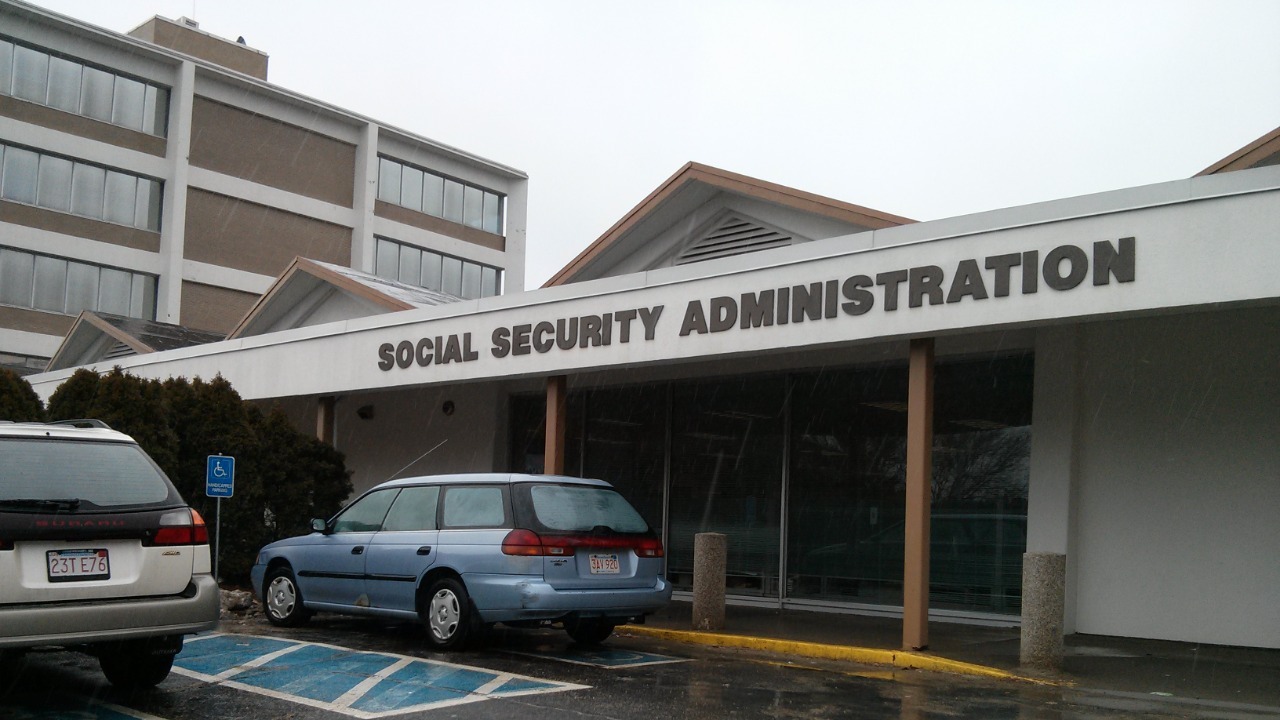
The 2026 Social Security cost-of-living adjustment is big enough to grab attention, yet small enough that many retirees say it will not fix the squeeze on their monthly budgets. The increase lands at a historic level for a period of easing inflation, but the gap between official formulas and real-world prices for housing, health care, and food is still painfully visible for older households.
I see a COLA that looks solid on paper but feels fragile once it collides with Medicare premiums, property taxes, and grocery receipts. The question is not only how much benefits will rise, but whether the way Social Security measures inflation still reflects the lives of the people who depend on it most.
What the 2026 COLA actually does
The 2026 adjustment gives Social Security beneficiaries a 2.8% bump in their monthly checks, a figure that stands out after several years of volatile inflation. According to the official formula, the Latest Cost and History of Automatic Cost, Living Adjustments are designed so that COLA keeps the purchasing power of Social Security from eroding as prices rise. In 2026, that formula translates into a mid-range increase that is neither the eye-popping spike beneficiaries saw when inflation surged nor the token upticks that barely register on a bank statement.
Behind that percentage is a massive administrative shift that touches nearly every retired and disabled worker in the country. The Social Security Administration has said that benefits for 75 m Amer recipients of Social Security and Supplemental Security Income, or SSI, will reflect the new COLA, with updated amounts typically appearing in beneficiaries’ online accounts before payments hit. For many households, that 2.8% increase will be the only raise they see all year, which is why the stakes around the annual COLA announcement feel so high.
Why a “historic” increase still feels too small
On paper, the 2026 COLA looks like a solid win, yet a growing share of retirees say it does not come close to covering the bills that matter most. Surveys show that 77% of Older Americans Say the 2026 Social Security COLA Is Not Enough, a striking level of dissatisfaction for a benefit that is supposed to track inflation automatically. Another national snapshot of sentiment finds that most people do not think the Social Security COLA does enough for retirees, even as a smaller group of respondents say the adjustment is adequate.
The frustration is not just emotional, it is grounded in the math of older households’ budgets. Analysts who track retirement costs argue that the 2026 Social Security COLA may be statistically average, but But in reality, this modest bump will barely make a dent in the mounting costs that older Americans face. For millions of Americans who rely on Social Security as their primary income, even a historic COLA can feel like a raise that disappears the moment Medicare premiums, prescription copays, and rent increases are deducted.
How the COLA formula works, and where it falls short
To understand the disconnect, it helps to look closely at how the government calculates the annual adjustment. The Social Security Administration explains that Legislation created automatic cost-of-living adjustments so that benefits would rise in line with inflation, and the Living Adjustment formula compares consumer prices over a specific period to determine the percentage increase. The official COLA history shows that this method has protected retirees from the worst effects of inflation over decades, but it is still built on a broad consumer index that does not fully reflect the spending patterns of older adults.
That gap between the formula and lived experience is where much of the criticism lands. The index behind COLA gives significant weight to categories like transportation and general goods, while seniors often spend a larger share of their income on health care, housing, and utilities. Analysts who focus on retirement policy argue that this is one reason the 2026 Social Security COLA Is Insufficient for Seniors, a point echoed in reporting that the adjustment may be statistically average but still leaves many older Americans struggling to stay ahead of rising costs. When I look at those numbers, I see a system that is doing what the law requires, yet still failing to match the real inflation seniors feel at the pharmacy counter and the grocery store checkout.
The 2026 Social Security landscape beyond COLA
The COLA is the headline, but it is only one piece of a broader set of changes that will shape retirement income in 2026. Analysts have highlighted Here are some of the biggest shifts, including adjustments to earnings limits for people who work while collecting benefits and tweaks to how much income is subject to payroll taxes. These changes interact with the COLA in subtle ways, affecting how much money actually lands in a retiree’s pocket after work income, taxes, and benefit rules are all factored in.
One key detail is how the Social Security Administration, or SSA, is updating thresholds that matter for people who are not fully retired. According to federal guidance, the maximum amount of earnings subject to Social Security taxes in 2026 will increase to a higher level, and the Department of Developmental Services notes that the annual earnings limit for some beneficiaries in 2026 will increase to $65,160. For workers in their early sixties who are trying to bridge the gap between a paycheck and early benefits, those thresholds can determine whether the 2.8% COLA feels like a real gain or gets offset by benefit reductions tied to higher earnings.
What retirees can do when COLA is not enough
For the vast majority of older adults who say the 2026 adjustment falls short, the question becomes how to respond when the official raise does not match their personal inflation rate. The report that Older Americans Say the Social Security COLA Is Not Enough, Here is What You Can Do About It, points toward practical steps like tightening discretionary spending, reviewing Medicare plan options to limit premium hikes, and looking for part-time work that fits within earnings limits. I see many retirees turning to gig-style roles such as driving for Uber, delivering groceries through Instacart, or tutoring online, not because they want a second career, but because they need a buffer against costs that outpace their benefits.
Advocates also argue that individual action needs to be paired with policy pressure if the system is going to catch up with the realities of aging. Some push for a shift to a senior-specific inflation index that would give more weight to health care and housing, while others call for targeted benefit boosts for the oldest and poorest beneficiaries. Reporting on the 6 Big Social Security Changes for 2026 notes that Here the Social Security Administration, or SSA, is already making technical adjustments in response to Inflation and other economic shifts, but those tweaks stop short of a full overhaul. Until that larger debate is resolved, the annual COLA will remain both a crucial lifeline and a recurring reminder of how fragile retirement security can feel.
More From TheDailyOverview

Nathaniel Cross focuses on retirement planning, employer benefits, and long-term income security. His writing covers pensions, social programs, investment vehicles, and strategies designed to protect financial independence later in life. At The Daily Overview, Nathaniel provides practical insight to help readers plan with confidence and foresight.

