
The Social Security Cost-of-Living Adjustment (COLA) for 2026 is projected to be one of the most significant in history, reflecting the ongoing economic challenges and inflationary pressures. Despite this anticipated increase, many retirees are likely to find that their benefits still fall short of meeting their financial needs. This exploration delves into the reasons behind the historic COLA, its implications for retirees, and why it may still be insufficient.
Understanding the 2026 COLA Increase

The 2026 Social Security COLA is set to be historic, driven by a combination of economic factors that have not been seen in recent years. Historically, COLA adjustments are designed to keep pace with inflation, ensuring that the purchasing power of Social Security benefits is maintained. However, the projected increase for 2026 stands out due to its magnitude, which is expected to be one of the largest in decades. This adjustment is a response to the significant inflationary pressures that have been building over the past few years, as highlighted in recent analyses.
Comparing the projected 2026 COLA with previous years’ adjustments underscores its significance. For instance, the adjustments in recent years have been relatively modest, often failing to keep up with the actual cost increases faced by retirees. The anticipated 2026 adjustment aims to bridge this gap, yet it remains to be seen whether it will be sufficient. According to a report from The Motley Fool, the upcoming COLA is expected to be a record-setting increase, reflecting the economic realities of the time.
Inflation plays a crucial role in driving the COLA increase. The Consumer Price Index (CPI), a key economic indicator, is instrumental in calculating these adjustments. As inflation rises, so does the CPI, which in turn influences the COLA. The recent surge in inflation has been attributed to various factors, including supply chain disruptions and increased consumer demand, which have collectively pushed prices higher. This economic backdrop is a primary reason for the anticipated substantial COLA in 2026, as detailed in a Yahoo Finance article.
The Impact on Retirees’ Finances

Despite the significant COLA increase, many retirees continue to face a disconnect between these adjustments and the actual rise in living costs. The cost of living for retirees often increases at a rate that outpaces the COLA, particularly in areas such as healthcare and housing. These sectors have seen substantial price hikes, placing additional financial pressure on those relying on Social Security benefits. The rising costs of prescription medications and medical services, coupled with increasing housing expenses, are key areas where retirees feel the pinch.
Inflation erodes the purchasing power of Social Security benefits, a concern that has been growing over the years. While the COLA aims to offset inflation, the reality is that retirees’ expenses have often outpaced these adjustments. Data from recent years show that the cost of essential goods and services has increased at a rate that exceeds the COLA, leaving many retirees struggling to make ends meet. This trend is highlighted in a MSN article, which discusses how the average Social Security benefit may look in 2026.
Policy Considerations and Challenges

The current policy framework for determining Social Security COLA has been criticized for its potential flaws. The calculation is based on the CPI-W, which may not accurately reflect the spending patterns of retirees. This discrepancy has led to calls for reform, with some advocating for a shift to the CPI-E, which is more representative of elderly spending habits. Legislative efforts to address these issues have been ongoing, but significant changes have yet to be implemented.
Long-term sustainability of Social Security is another pressing concern. Demographic shifts, such as an aging population and a declining worker-to-beneficiary ratio, pose challenges to the program’s solvency. Economic trends also play a role, with slower wage growth and increased life expectancy impacting the system’s financial health. Potential policy changes, such as adjusting the payroll tax cap or modifying benefit formulas, are being considered to ensure the program’s future viability. These discussions are crucial as policymakers seek to balance the need for adequate benefits with the program’s sustainability, as noted in an AOL Finance article.
Strategies for Retirees to Cope with Insufficient COLA

For retirees facing insufficient COLA adjustments, personal financial planning becomes essential. Budgeting and careful management of expenses can help mitigate the impact of rising costs. Diversifying income sources beyond Social Security is also advisable, whether through part-time work, investments, or other retirement savings. These strategies can provide a buffer against the financial challenges posed by inadequate COLA increases.
Government and community support can also play a vital role in assisting retirees. Various programs offer financial aid and resources to help cover essential expenses. Additionally, community organizations often provide services and support tailored to the needs of older adults. Advocacy efforts aimed at increasing awareness and support for retirees’ financial challenges are crucial in driving policy changes and improving the overall safety net for this vulnerable population.
The Future of Social Security and COLA Adjustments
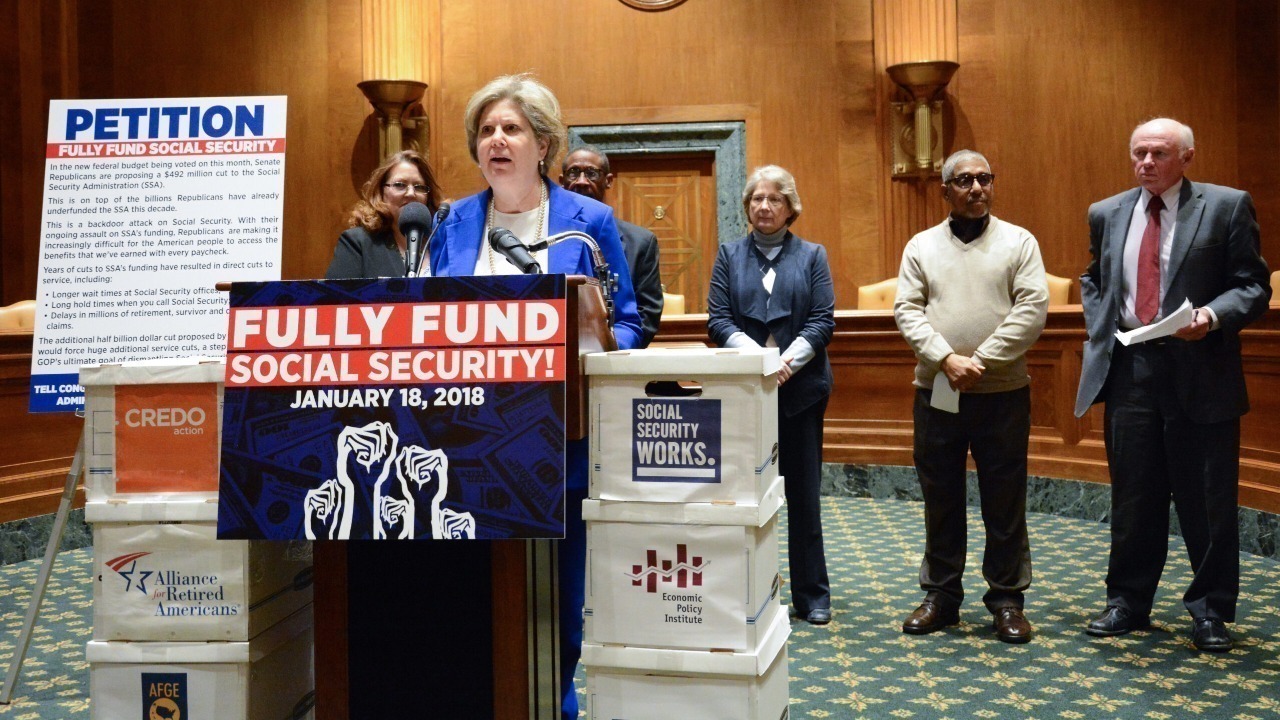
Looking ahead, the future of Social Security and COLA adjustments remains uncertain, with various factors influencing potential trends. Economic forecasts suggest that inflation may continue to be a significant factor, impacting future COLA calculations. Experts predict that demographic changes and economic conditions will play a crucial role in shaping the program’s trajectory. Staying informed about these developments is essential for both retirees and policymakers as they navigate the evolving landscape.
Adapting to change is vital for both retirees and policymakers. As economic conditions evolve, so too must the strategies for managing retirement finances and ensuring the adequacy of Social Security benefits. Policymakers must remain vigilant in assessing and adjusting the program to meet the needs of future beneficiaries. Meanwhile, retirees should focus on proactive financial planning and staying informed about potential changes to Social Security and retirement planning. This adaptability will be key to navigating the challenges and opportunities that lie ahead.

Nathaniel Cross focuses on retirement planning, employer benefits, and long-term income security. His writing covers pensions, social programs, investment vehicles, and strategies designed to protect financial independence later in life. At The Daily Overview, Nathaniel provides practical insight to help readers plan with confidence and foresight.

