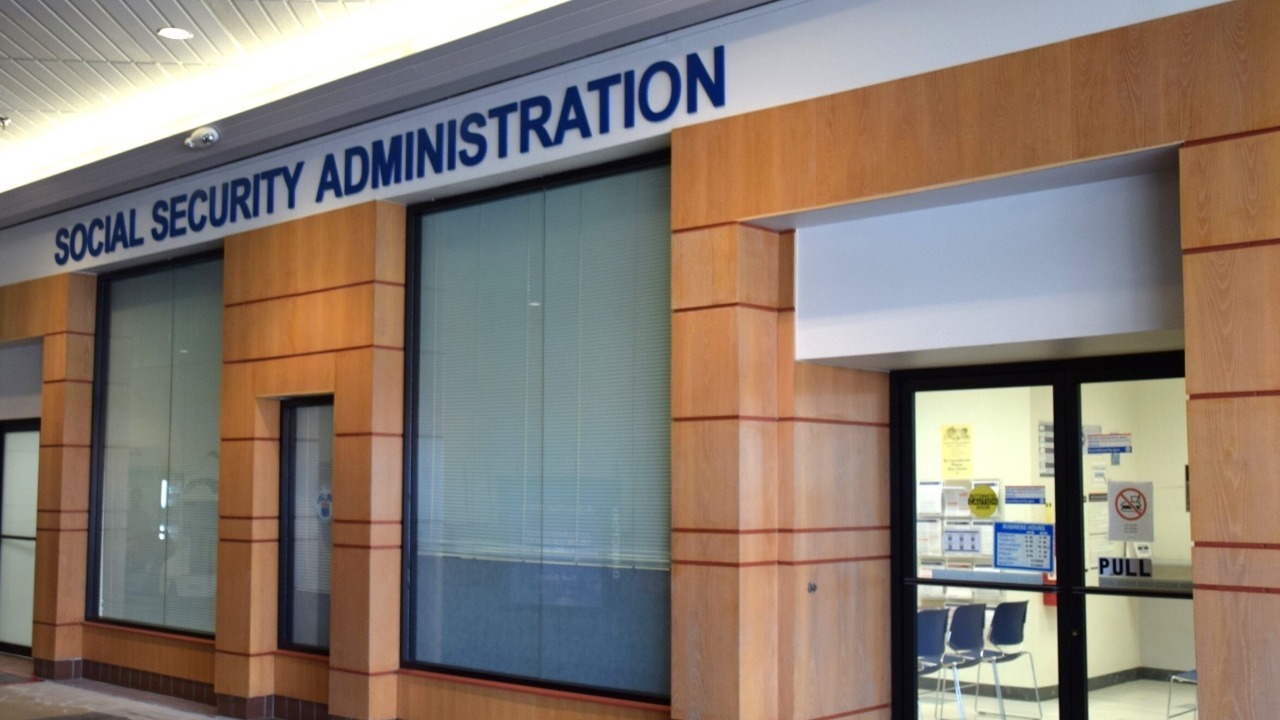
Social Security was designed as a bedrock promise, not a recurring cliffhanger, yet the numbers now point to a system sliding faster toward automatic cuts. The core problem is no longer a distant actuarial warning but a tightening deadline in which benefits, politics, and basic administrative capacity are all under strain. I see a program that is still indispensable to retirees and workers, but whose financial and operational cracks are widening together.
The trust funds are racing the clock
The most immediate warning light is the calendar. New federal projections show the combined Social Security trust funds can pay 100% of promised benefits only until about 2034, at which point the reserves are expected to be depleted. A separate analysis frames the same crisis even more starkly, noting that Social Security is just Seven Years from Insolvency based on the latest Trustees’ report. Once the trust funds hit that wall, the program must live on incoming payroll taxes alone, which are not enough to cover what has been promised.
Those mechanics translate into very real cuts. If the depletion scenario arrives on schedule, benefits would face a 23% reduction and retirees would receive only 77% of what they are owed. Earlier reforms were supposed to prevent exactly this outcome. Back in 1983, Back in that era, Congress believed it had adequately funded the system to prepare for the aging Baby Boomer population, yet the latest projections now contemplate cuts on the order of 21% according to the program’s actuaries. The gap between what lawmakers thought they fixed and what the math now shows is the clearest sign that the problem is not fading with time, it is compounding.
The structural shortfall keeps widening
Behind the looming depletion date is a structural mismatch between what Social Security collects and what it pays out. Over the next 75 years, The Social Security program faces a shortfall of 3.82% of taxable payroll, a gap that reflects both longer life spans and slower labor-force growth. That 75-year horizon is not an abstraction, it is the window actuaries use to judge whether the system is sustainably financed. The official Social Security website lays out the program’s benefits and funding rules in detail, but the basic arithmetic is simple: without either higher revenue or lower promised benefits, the shortfall grows as more retirees draw checks for longer.
Demographics are doing much of the damage. Analysts have been warning for decades that the worker-to-retiree ratio would deteriorate as the population aged, and that is exactly what is happening. One long-running critique, framed as “Given the rate at which Social Secur ity taxes have been increasing,” pointed to the changing age mix of the population as the root of the crisis, and that diagnosis has only become more accurate as baby boomers retire. A more recent breakdown of the Key Factors Driving the Trust Fund Depletion Several notes that the United States is aging rapidly, with baby boomers entering retirement in large numbers and drawing benefits for longer than prior generations. The result is a system that was built for a younger country but is now paying for a much older one.
Washington’s paralysis is part of the problem
Even as the financial gap has become clearer, elected officials have largely chosen to look away. Despite repeated warnings from the program’s trustees and outside experts, Despite these alarms, Congress has done nothing to close the gap, and no president over the last dozen years has made closing it a high priority. Under Trump, the Social Security Administration has been pulled into broader political fights while still struggling to keep up with basic service demands. Over the summer, one investigation into phone wait times found that the Social Security Administration left millions of calls unanswered, and the critic who released that video said that Under Trump the agency needed to answer to these Americans.
There are ideas on the table, but they are politically painful. Some proposals would raise payroll taxes or lift the cap on taxable earnings, while others would trim benefits or change the formula for cost-of-living adjustments. Another option that keeps resurfacing is to increase the full retirement age, which is when older Americans can collect their monthly Social Security checks. Advocates of that approach argue that people live longer and can work more years, but critics counter that it effectively cuts lifetime benefits, especially for workers in physically demanding jobs. The political stalemate has left the system drifting toward automatic cuts instead of a negotiated solution, even as the official projections grow more urgent.
Service breakdowns show a system under strain
The financial squeeze is not the only sign that Social Security’s troubles are deepening. On the ground, beneficiaries are already encountering a system that feels overloaded and brittle. One account described a 94-year-old woman who would never call to complain about poor service, a reminder that the most vulnerable often suffer in silence. Mar ked by that anecdote, the report argued that “Perhaps the commerce secretary’s mother-in-law” would not complain, but millions of others are feeling anxious and worse as they confront long waits, confusing notices, and delayed decisions. These operational failures are not separate from the financing debate, they are symptoms of an agency trying to do more with limited resources while political leaders argue over the bigger fix.
At the same time, the agency is being asked to administer new or expanded programs with high public expectations. Beneficiaries seeking information about retroactive payments are told they can visit SSA and the Social Security Administration website to learn more about the Fairness Ac t, which is expected to release more details soon. In parallel, people chasing rumors of a $2,000 direct deposit are reminded that the safest way to get accurate information is through official sites like IRS. gov or SSA. gov, which will post timelines and requirements once decisions are finalized. The more the system is asked to do, from handling complex retroactive rules to debunking viral misinformation, the more obvious its capacity limits become.
Voters are worried, and the fixes are getting tougher
Public confidence is eroding in step with the actuarial math. Surveys now find that Most Americans think Social Security will not be there for them when they retire, and the question “Are they right?” is no longer rhetorical. Three-quarters of American workers now express doubts that the program will be able to pay them full benefits, a level of skepticism that reflects both the hard numbers and the visible dysfunction. That anxiety is rational when official projections talk openly about benefit cuts and when the political system has not yet produced a credible rescue plan.
Meanwhile, the menu of realistic fixes is shrinking as the deadline approaches. According to one breakdown of the latest projections, the new estimate for how long Social Security reserve funds will last before benefits are cut still points to retirees receiving only 77% of their full benefits if nothing changes. Another analysis of potential reforms notes that There is also the possibility of raising the full retirement age, which some see as a technical adjustment but others view as a stealth cut that hits lower income workers hardest. In the meantime, the agency is trying to shore up its relationship with the public. One review of the early days of the current administration noted that a key priority was to Improve Communication and Transparency The SSA has ramped up efforts to keep people informed about how the agency is doing, offering more data and clearer explanations of its operations. Better communication may help rebuild some trust, but it does not change the underlying math. Without concrete action from Congress and the White House, the system’s financial and operational problems will continue to feed each other, turning a slow-moving challenge into a sharper shock for future retirees.
More From TheDailyOverview
- Tennessee loses $2.6B megafactory and faces major layoffs
- Retired But Want To Work? Try These 18 Jobs for Seniors That Pay Weekly
- What to do with your pennies after the U.S. stops minting them
- Home Depot CEO warns of a troubling customer trend in stores

Nathaniel Cross focuses on retirement planning, employer benefits, and long-term income security. His writing covers pensions, social programs, investment vehicles, and strategies designed to protect financial independence later in life. At The Daily Overview, Nathaniel provides practical insight to help readers plan with confidence and foresight.