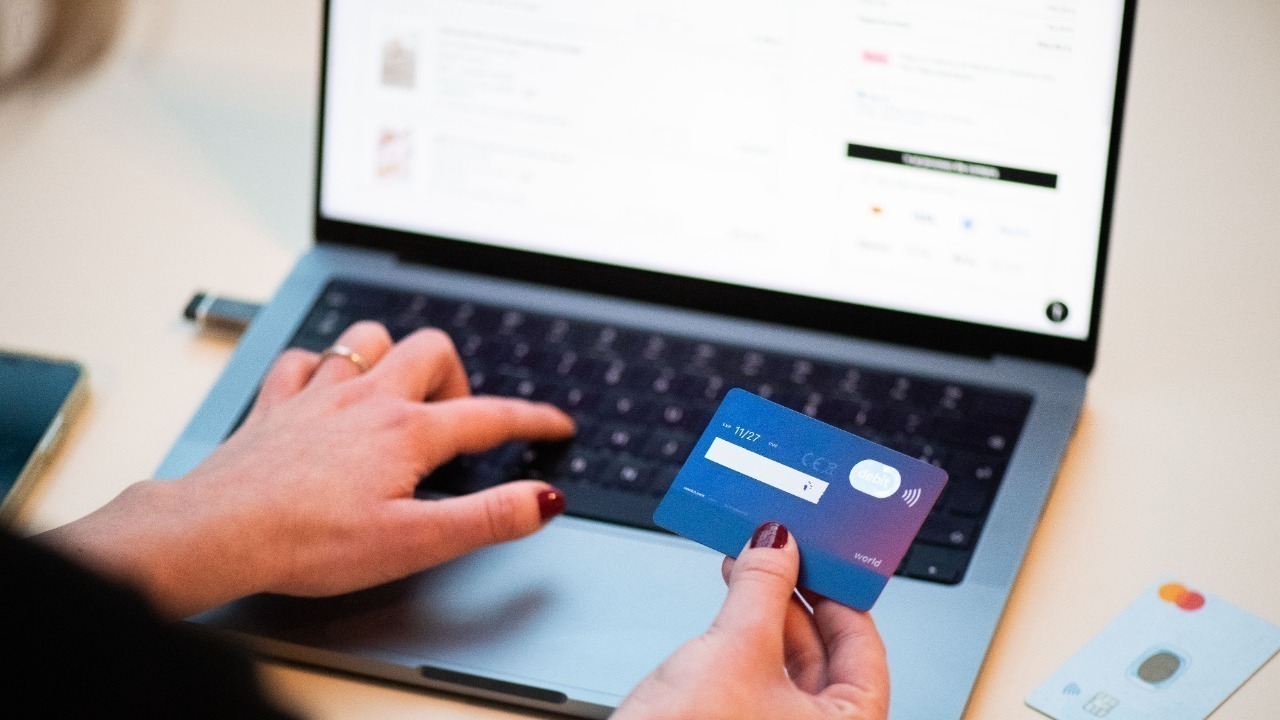
Millions of Americans are no longer staging dramatic breakups with their banks. Instead, they are quietly opening new accounts on the side, testing better apps, higher yields, and lower fees while their old checking account keeps humming along in the background. This low‑drama behavior, known as soft switching, is reshaping how people move their money and how financial institutions measure loyalty.
Rather than a one‑time leap, soft switching turns changing banks into a gradual migration of deposits, direct deposits, and bill payments. I see it as the financial equivalent of keeping a spare set of keys: customers are not sure they are ready to leave, but they want an exit route if their current bank keeps disappointing them.
What “soft switching” really means for your money
Soft switching is essentially a slow-motion bank change, where customers open a new account, move a few transactions, and then wait to see how it feels before committing. On Nov 5, 2025, reporting on an Oct 20 report from J.D. Power described how Large numbers of customers are quietly changing banks, with just over half of all checking customers now holding two or more accounts, a pattern that fits this gradual shift rather than a clean break, and that same reporting highlighted how this trend is sending banking customers flocking to Chime, which has built its brand around mobile convenience and low fees, a classic soft-switch destination for frustrated account holders who are not yet ready to close their legacy accounts outright, according to Large numbers.
Unlike traditional churn, where a customer closes one account and opens another, soft switching keeps the old relationship technically alive while the new one gains ground. An Oct 20, 2025 behavioral analysis of investment accounts described how this same pattern shows up in brokerage relationships, with Established firms like Fidelity and Schwab remaining the choice of customers opening investment accounts even as those clients experiment with newer platforms, a sign that people are layering new providers on top of old ones rather than cutting ties, a dynamic that report framed as a distinct form of soft switching that still leaves Fidelity and Schwab in the mix even when customers are testing alternatives, as detailed in Established firms.
Why boredom and bad experiences are pushing people to quiet exits
The emotional trigger for soft switching is often not a single crisis but a slow build of frustration, from clunky apps to opaque fees. Coverage dated Nov 5, 2025 tied the rise of this behavior to customers who are simply bored with their bank, noting that the Oct research from J.D. Power found people increasingly willing to juggle more accounts as they search for better digital tools and more responsive service, a shift that has helped newer players attract Large numbers of dissatisfied users who no longer feel locked into one institution, as highlighted in Oct research.
Bad experiences are not just annoying, they are a direct catalyst for people to open that second or third account and start moving their financial life elsewhere. Reporting on Nov 8, 2025 described how Tired of customers are responding to poor service, high fees, and outdated technology by quietly opening new accounts, with one expert noting that bad banking experiences drive consumers to open a second or even a third account as a way to test alternatives without immediately severing ties, a pattern that shows how Here in the United States, Americans are increasingly treating bank relationships as provisional rather than permanent, according to Tired of.
Record switching pressures banks that assumed “for life” loyalty
For decades, banks built strategies on the assumption that once a customer opened a checking account, that relationship would last for life. That assumption is now colliding with record levels of switching, as Aug 5, 2025 analysis of Plugging the leak in customer retention reported that Intentions to move both bank and investment relationships are rising sharply, with switching strongly linked to customers reassessing their finances and looking to streamline accounts, a trend that leaves institutions scrambling to Retaining customers who may already be halfway out the door through soft switching, as outlined in Plugging the.
Industry leaders are starting to acknowledge that the era of “one bank for life” is over, and that customers now treat financial relationships as subscriptions they can cancel or downgrade at any time. On Aug 12, 2024, a discussion of Industry perspectives on consumer bank switching highlighted research from Pinwheel’s recent research that revealed a clear end to banking for life, with customers constantly reevaluating their options and using payroll connectivity tools to move direct deposits more easily, a shift that gives people the power to soft switch in stages rather than endure a painful all‑at‑once transition, according to Industry leaders.
How banks are struggling to spot “quiet switchers”
From the bank’s perspective, soft switching is a stealth problem, because the customer’s name and account number remain on the books even as their engagement fades. An Oct 21, 2025 post framed the issue bluntly with the question Banks, Would you notice if your customers were soft switching, warning that Customers who are not breaking up outright are instead shifting balances and transactions elsewhere, creating a growing pool of these quiet switchers that traditional churn metrics may miss until the relationship is effectively hollowed out, as described in Banks.
The operational challenge is that many institutions still track loyalty through blunt measures like account closures, not through early warning signs such as declining direct deposits or fewer debit card swipes. When Intentions to switch are rising, as the Aug analysis on Plugging the leak in customer retention made clear, banks that fail to monitor these softer signals risk losing high‑value customers who have already opened competing accounts and started moving their financial lives elsewhere, a pattern that turns soft switching into a slow bleed rather than a sudden shock, reinforcing the urgency of better data and more proactive outreach, as highlighted in Intentions.
How consumers are using soft switching as a strategy
For consumers, soft switching is not just a trend, it is a deliberate strategy to reduce risk and hassle while still demanding better value. Guidance published on Nov 19, 2025 described how people who Want to Change Banks without disruption are using a Soft Strategy that lets them open a new account, test features like higher savings yields or better budgeting tools, and gradually move direct deposits and bill payments only after they are confident, a method that helps them avoid missed payments and overdrafts while still gaining leverage over their current provider, according to Want.
The motivations behind this strategy are often straightforward: people are tired of paying for poor service. A Feb 11, 2025 breakdown of 5 Reasons People Switch Banks, framed under the question Is It Worth It, reported that High Fees and Charges are a primary motivation for Switching, alongside factors like low interest rates and limited digital features, and soft switching gives customers a way to respond by quietly moving their balances to institutions that offer better terms without immediately closing their old accounts, a pattern that turns everyday frustration into a measured, step‑by‑step exit plan, as detailed in Reasons People Switch Banks.
More From TheDailyOverview
- Dave Ramsey says these two simple questions show whether you’re rich or poor
- Retired But Want To Work? Try These 18 Jobs for Seniors That Pay Weekly
- IRS raises capital gains thresholds for 2026 and what’s new
- 12 ways to make $5,000 fast that actually work

Silas Redman writes about the structure of modern banking, financial regulations, and the rules that govern money movement. His work examines how institutions, policies, and compliance frameworks affect individuals and businesses alike. At The Daily Overview, Silas aims to help readers better understand the systems operating behind everyday financial decisions.

