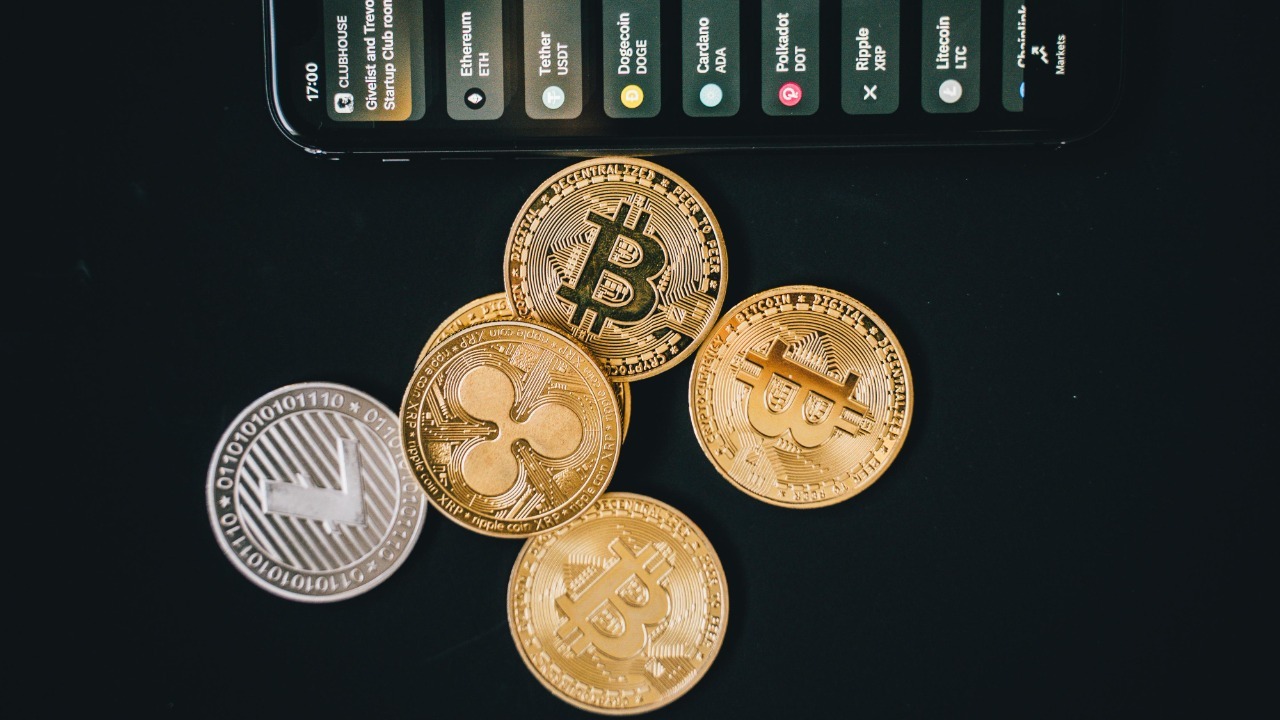
South Korea’s second largest crypto exchange turned a routine customer giveaway into one of the most expensive clerical mistakes in financial history, accidentally crediting users with hundreds of thousands of bitcoins worth about $40 billion. The blunder at Bithumb, which stemmed from a tiny rewards promotion, briefly turned ordinary traders into paper multi‑millionaires and sent shockwaves through Bitcoin markets and regulators alike. Now the fallout is testing everything from the exchange’s internal controls to South Korea’s appetite for tighter crypto oversight.
What began as a plan to hand out the equivalent of a few dollars in rewards has exposed deep structural weaknesses inside a major trading venue and raised uncomfortable questions about how much trust retail investors can place in centralized platforms. The episode is also becoming a case study in how a single input error can cascade through automated systems, market liquidity and national politics in a matter of minutes.
How a tiny promotion became a $40 billion nightmare
The chain reaction started with a simple marketing idea: Bithumb wanted to reward selected customers with 2,000 won each, roughly $1.37, as part of a promotional campaign. Instead of sending a small cash credit, an employee keyed the reward into the system as 2,000 units of Bitcoin, turning what should have been a $1.37 perk into a life‑changing windfall for hundreds of users and, in aggregate, a roughly $40 Billion liability according to a detailed breakdown of the Error. The mistake meant that 695 customers suddenly saw balances that made them instant multi‑millionaires, at least on screen, and set off a scramble to cash out before the glitch could be reversed.
Behind the scenes, the mis‑entered promotion translated into a recorded payout of 620,000 BTC, a figure that would dwarf the holdings of many institutional treasuries and that one analysis valued at more than $40 billion at prevailing prices. That same tally of 620,000 bitcoins has been cited repeatedly as the scale of the erroneous distribution, with one account describing how the prizes, Rather than being denominated in won, emerged in a different currency and were valued at more than $40 billion. For an exchange that did not actually own that volume of coins, the misallocation was not just embarrassing, it was existential.
The frantic race to halt trading and claw funds back
Once the error surfaced, Bithumb’s priority shifted to containing the damage before the phantom bitcoins could be fully arbitraged into real cash. The company began freezing activity on affected accounts within minutes, starting to halt trading and withdrawals at 7:35 p.m. and fully blocking them by 7:40 p.m., a 35 minute window that nonetheless allowed some users to sell or move part of their unexpected balances. The exchange has said it was able to recover 99.7 percent of the misdirected coins and has pledged to reimburse some users whose legitimate positions were disrupted, a commitment that was outlined as it moved to reimburse users after the chaos.
Even that short trading window was enough to jolt global prices. As Some recipients rushed to dump their surprise holdings, Bitcoin briefly plunged by nearly 17 percent before stabilizing, a swing that rippled through leveraged bets and broader market sentiment. One account of the incident describes how the error triggered immediate chaos on the platform, with the sudden selling pressure from the mistaken credits causing Bitcoin to whipsaw before liquidity providers and arbitrageurs absorbed the shock. For traders who were not part of the promotion, the episode looked like a flash crash with no obvious macro trigger, underscoring how a single platform’s internal mistake can spill into the wider market.
Inside Bithumb’s system failures and structural flaws
As the dust settled, attention turned from the spectacle of accidental riches to the plumbing that allowed such a colossal misallocation to occur. Bithumb has acknowledged that the root cause lay in internal system flaws, not in any external hacking or security breach, and that its controls failed to prevent a single employee’s erroneous input from propagating across live customer accounts. In a parliamentary hearing, a senior executive named Lee told lawmakers that the company was acutely aware of the deficiency in internal system control and pledged to strengthen oversight under existing laws and regulations, a mea culpa that was reported as Lee faced questions about the US$40bil error.
Separate reporting has described how the mistaken payout of 620,000 Bitcoins exposed serious structural weaknesses in the way Bithumb configured internal accounts to manage promotional giveaways and segregate them from core reserves. An unprecedented error at the exchange was said to have been triggered by an employee’s erroneous input, with the system apparently lacking robust checks to flag that a 2,000 unit reward in BTC was wildly out of line with a 2,000 won promotion. That same account noted that the mistaken recording of 620,000 tokens highlighted deeper governance and process issues at Bithumb that regulators are now probing.
From apology to political backlash in South Korea
Publicly, Bithumb’s leadership has tried to frame the incident as a grave but isolated mistake. The chief of the local cryptocurrency exchange apologized Wednesday for the company’s accidental payout of 60 trillion won, a sum that was pegged at roughly $40 billion at the time, and stressed that there had been no external hacking or security breaches on the platform. In the same context, the company said it had accidentally sent 620,000 bitcoins, currently worth more than that 60 trillion won figure, and that it was working with customers and authorities to unwind the error, a statement that has been widely cited in coverage of Bithumb.
Politicians have been less forgiving. South Korean lawmakers questioned Bithumb’s CEO after the exchange mistakenly transferred 620,000 Bitcoin, a volume described as more than 12 times its actual holdings, and pressed the executive on how such a discrepancy could slip past internal checks. The hearing at South Korea’s National Assembly turned into a broader inquest into the exchange’s risk management and its impact on retail investors, with the CEO facing pointed questions about whether the company had prioritized aggressive promotions over basic safeguards. For a country that has already wrestled with high profile crypto failures, the spectacle of a 60 trillion won misfire has become a political flashpoint.
Regulators, traders and the future of centralized exchanges
The scale of the blunder has given fresh momentum to officials who want tighter oversight of digital asset platforms. In South Korea, the governor of the country’s Financial Su, Lee Chanjin, has signaled that the government is eyeing stricter crypto oversight after Bithumb’s $40 Billion error, framing the incident as a wake up call about the systemic risks of poorly governed exchanges. That stance reflects a broader shift in policy thinking, with authorities now weighing whether promotional rewards programs and internal accounting should be subject to the same scrutiny as traditional financial products, a debate captured in coverage of how South Korea Eyes.
For traders, the lesson is more immediate. A South Korean account of the saga noted that the exchange’s erroneous distribution of 620,000 bitcoins is widely seen as more than a one off glitch, instead exposing how fragile trust can be when a centralized platform controls both custody and price discovery. That same reporting highlighted how the chief of the local cryptocurrency exchange Bithumb was forced to answer for the company’s accidental payout of 60 trillion won and how the episode has shaken confidence among South Korean retail investors who had treated the platform as a quasi bank. In a market where a single mis‑typed promotion can briefly move global BTC USD pairs and prompt emergency hearings, the Bithumb fiasco is likely to be remembered as a turning point in how regulators and users judge the risks of keeping their coins on centralized exchanges.
More From The Daily Overview
*This article was researched with the help of AI, with human editors creating the final content.

Grant Mercer covers market dynamics, business trends, and the economic forces driving growth across industries. His analysis connects macro movements with real-world implications for investors, entrepreneurs, and professionals. Through his work at The Daily Overview, Grant helps readers understand how markets function and where opportunities may emerge.

