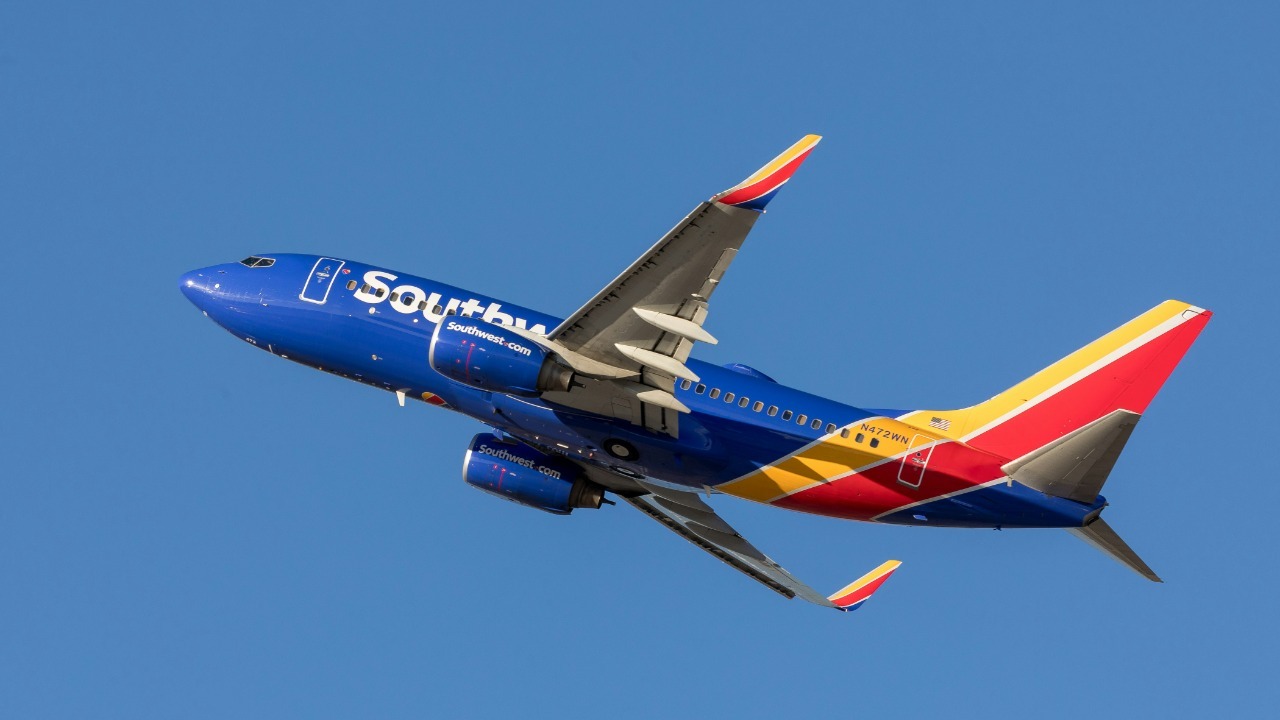
Southwest is ripping up one of the last quirks of U.S. air travel, and the fallout will land hardest on the travelers who built its brand: people chasing the cheapest possible seat. The carrier is scrapping its free‑for‑all boarding ritual in favor of Assigned Seating, carving cabins into new paid tiers and shrinking standard legroom so premium rows can stretch out. For budget fliers who relied on hustle instead of cash to snag a decent spot, the shift turns a once-level cabin into a far more stratified space.
From open scramble to Assigned Seating
For decades, Southwest’s identity was wrapped up in its open seating system, where boarding position, not fare class, decided whether you ended up in an aisle up front or a middle seat in the back. That era is now ending as the airline rolls out a formal Assigned Seating program that lets customers pick specific seats at booking instead of playing musical chairs at the gate. The company is pitching the change as a way to give travelers more control and to align with its broader “Southwest. Even Better.” transformation, which it has described as one of the most significant shifts in its half‑century history and part of a move to a new Assigned Seat system already visible in future bookings.
The airline’s own materials frame the overhaul as a comfort upgrade, promising seat options that let passengers “choose the experience” they want. On its customer enhancements page, Southwest invites travelers to Choose their seat and “Elevate” their experience, language that makes the change sound like a lifestyle upgrade rather than a structural pricing shift. But beneath the marketing gloss, the move replaces a relatively egalitarian boarding game with a hierarchy of seat types and fees that will be felt most acutely by travelers who used to accept a little chaos in exchange for low fares.
New fare buckets and a reworked boarding hierarchy
The backbone of the change is a new fare structure that bakes seat selection into how much you pay. Southwest has outlined a lineup of branded products, including tiers such as Choice Preferred, Choice and Basic, that will determine not just flexibility and points earning but where you can sit. Reporting on the policy shift notes that Choice Preferred will sit at the top of the heap, with more desirable seats and perks, while Basic will anchor the bottom with tighter restrictions and fewer options. That is a sharp break from the old model, where even the cheapest Wanna Get Away fare holder could, with an early check‑in or a bit of luck, still land a prime aisle.
The boarding process itself is also being rebuilt around this new hierarchy. Southwest has confirmed that flights departing on or after the late‑January switchover will use Assigned seats and a revised boarding system that organizes passengers into Groups 1 through 8, a more granular structure than the familiar A, B and C lines. In its help center, the airline explains that Assigned seats will be tied to these groups, with higher‑priced fares and elite status likely clustering closer to the front. For budget travelers, that means the old trick of checking in exactly 24 hours before departure to claw into the A group will no longer be enough to offset a rock‑bottom ticket.
Premium legroom for some, tighter squeeze for everyone else
The most jarring part of the overhaul is not just that seats are now assigned, but that the physical cabin is being reshaped to create a new premium zone. To carve out more spacious rows, Southwest is reducing legroom in the rest of the plane, effectively redistributing inches from the many to the few. One account of the change notes that the new premium seats will offer 34 inches of legroom, while standard seats lose space to make that possible. For anyone who has treated Southwest as the roomy alternative to ultra‑low‑cost rivals, the message is clear: comfort is now a paid feature, not a baseline expectation.
Southwest’s own Assigned Seating page underscores how central these new tiers will be. The airline highlights multiple seat types, including options with extra space and preferred locations, and promises that customers can lock in the experience they want beginning on January 27, 2026, when the new system goes live across the network. In its description of the rollout, Southwest says it will continue to offer familiar benefits while layering in these new seat choices, inviting travelers to Elevate their trip with Preferred and Extra Legroom options. For budget fliers, that marketing gloss translates into a starker reality: the old, relatively uniform cabin is being sliced into zones where your knees and your wallet are directly linked.
What this means for families, plus‑size travelers and the cheapest fares
The impact will not be evenly distributed. Families who once relied on early check‑in and friendly fellow passengers to sit together will now have to navigate a more rigid seat map, with the best clusters concentrated in higher fare buckets. Coverage of the change notes that Southwest Airlines will switch to Assigned seating starting in late January and that travelers will be able to pick from three main seating options, a structure that will matter a lot to parents trying to keep kids within arm’s reach. One report on how the shift affects routes from places like the San Francisco Bay Area explains that Southwest Airlines customers will see Assigned seats tied to these options, which means the cheapest tickets are more likely to scatter groups toward the back or into middle seats unless they pay up.
Plus‑size travelers are facing a separate but related shift. Southwest Airlines is also changing its seating policy for passengers who need more than one seat, with the new rules kicking in on the same January 27 timeline. A video explanation notes that Airlines staff will apply updated procedures for those who take up additional space, and another clip reiterates that Airlines policies for plus‑size passengers will be updated alongside the broader seating overhaul. For travelers who already felt scrutinized when asking for extra room, the combination of tighter standard seats and a more formalized premium section risks deepening a sense that comfort is reserved for those who can afford to buy their way out of the squeeze.
Why budget travelers see a bad omen in Southwest’s pivot
Southwest is not shy about the fact that Assigned Seating is part of a larger strategic reset, and that is exactly why budget travelers are nervous. The airline has framed the change as a response to customer demand for certainty and as a way to modernize under its “Southwest. Even Better.” banner, with Southwest positioning the new seats as a comfort‑driven enhancement. An Instagram explainer describes how Southwest Airlines is preparing to roll out Assigned Seating starting January 27, 2026, and that travelers can already pre‑book tickets using the new system on the official website, a sign that this is not a trial but a full‑scale pivot. For an airline that once marketed itself with the tagline “You are now free to move about the country,” the symbolism of locking every seat in place is hard to miss.
Critics see the move as part of a broader trend in which once‑budget‑friendly carriers chase higher yields by slicing the product into ever more monetizable pieces. One analysis argues that Southwest’s oft‑chaotic open seating policy is finally ending and that the replacement, with Preferred and Extra Legroom options, is a bad sign for budget travelers who will be left with the most cramped rows. That perspective is echoed in coverage that describes how Southwest is introducing those Preferred and Extra Legroom seats as part of the Assigned Seating rollout, and in another piece where Brooke Steinberg details how the new structure tilts the cabin toward those willing to pay more.
More From TheDailyOverview
*This article was researched with the help of AI, with human editors creating the final content.

Grant Mercer covers market dynamics, business trends, and the economic forces driving growth across industries. His analysis connects macro movements with real-world implications for investors, entrepreneurs, and professionals. Through his work at The Daily Overview, Grant helps readers understand how markets function and where opportunities may emerge.