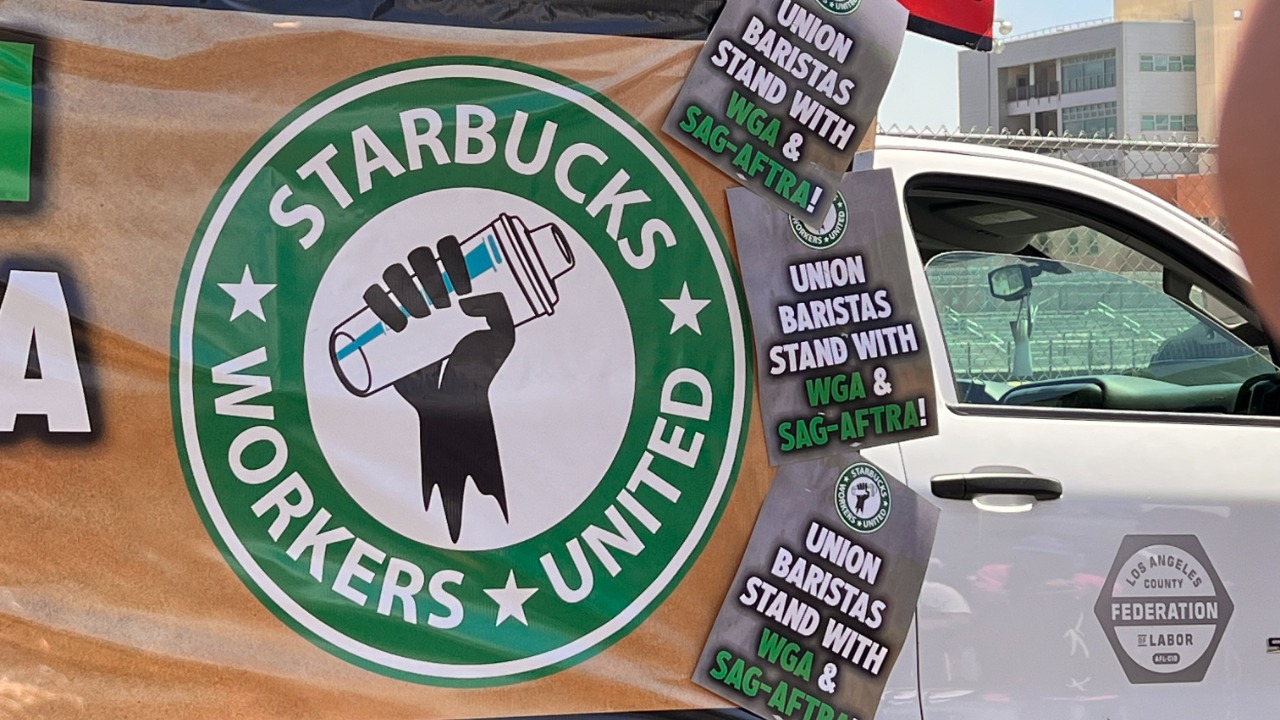
Starbucks Workers United has initiated a nationwide strike involving unionized baristas across the United States. This action coincides with the company’s Red Cup Day promotion on November 14, 2025, and aims to protest low pay, understaffing, and the absence of a fair contract. The strike follows a decisive vote from workers, who overwhelmingly supported the action with a 98% approval on December 18, 2024. Alongside the strike, a consumer boycott has been launched to pressure the coffee giant to return to the bargaining table under the slogan “No Contract, No Coffee.”
Background on Union Organizing
The buildup to the current strike was marked by significant organizing efforts from Starbucks Workers United. On December 18, 2024, union workers at Starbucks voted with a resounding 98% majority to authorize strike action. This vote was a response to ongoing issues such as low pay and chronic understaffing, which have plagued workers for years. The union has been instrumental in mobilizing baristas, setting the stage for the nationwide action that began on November 13, 2025. Reports indicate that these efforts have been building momentum over time, with early signs of labor unrest focusing on the demand for fair contracts and better working conditions.
Starbucks Workers United has played a pivotal role in organizing and galvanizing baristas across the country. The union’s efforts have been crucial in bringing attention to the persistent challenges faced by workers, including inadequate pay and insufficient staffing levels. These issues have been at the forefront of the union’s agenda, leading to the escalation of organizing activities that culminated in the current strike. The union’s ability to rally support and unify workers around common goals has been a key factor in the success of the strike authorization vote and the subsequent nationwide action.
Details of the Strike Action
The nationwide strike officially commenced on November 13, 2025, as unionized Starbucks baristas walked out to demand better wages and improved staffing levels. The timing of the strike was strategically planned to coincide with Red Cup Day on November 14, 2025, a high-traffic promotional event for Starbucks. This timing was chosen to maximize visibility and impact, drawing attention to the workers’ demands during one of the company’s busiest days. The slogan “No Contract, No Coffee” has been prominently used to rally participants and emphasize the refusal to work without a negotiated agreement.
The strike has garnered significant attention due to its timing and the widespread participation of unionized baristas across the nation. By launching the action on Red Cup Day, workers aimed to highlight the disconnect between the company’s promotional efforts and the realities faced by its employees. The strike underscores the urgent need for Starbucks to address the concerns of its workforce and engage in meaningful negotiations to secure a fair contract. The coordinated effort by workers to disrupt business as usual on such a prominent day underscores the seriousness of their demands and the need for immediate action from the company.
Accompanying Boycott and Broader Impact
Alongside the strike, a consumer boycott was launched on November 13, 2025, urging customers to avoid Starbucks in support of workers’ demands for fair labor practices. The boycott is part of a broader strategy to compel the company to return to the bargaining table and negotiate a fair contract. The nationwide scope of the strike, involving multiple stores, builds on the 98% authorization vote from December 18, 2024, amplifying pressure on the coffee chain to address the issues raised by its workforce.
The impact of the strike and boycott extends beyond the immediate demands for better pay and staffing. It highlights the growing trend of labor activism within the service industry, where workers are increasingly organizing to demand improved working conditions and fair compensation. The strike serves as a powerful reminder of the collective power of workers and the importance of union representation in advocating for their rights. As the strike continues, its outcome could have significant implications for labor relations within Starbucks and potentially influence other sectors facing similar challenges.
The ongoing strike and boycott represent a critical moment for Starbucks and its employees. The actions taken by unionized baristas reflect a broader movement towards greater worker empowerment and the pursuit of equitable labor practices. As the company faces mounting pressure to address the concerns of its workforce, the outcome of this strike could set a precedent for future labor negotiations within the industry. The stakes are high, and the resolution of this conflict will be closely watched by workers, employers, and labor advocates alike.
More From TheDailyOverview
- Dave Ramsey says these two simple questions show whether you’re rich or poor
- Retired But Want To Work? Try These 18 Jobs for Seniors That Pay Weekly
- IRS raises capital gains thresholds for 2026 and what’s new
- 12 ways to make $5,000 fast that actually work

Grant Mercer covers market dynamics, business trends, and the economic forces driving growth across industries. His analysis connects macro movements with real-world implications for investors, entrepreneurs, and professionals. Through his work at The Daily Overview, Grant helps readers understand how markets function and where opportunities may emerge.

