
As homeowners across the United States look ahead to 2026, property tax savings are a key concern. With various state initiatives and federal tax plans in play, the landscape of property taxes is set to change significantly. From Indiana’s ambitious savings initiative to the impact of President Trump’s tax plan, understanding where homeowners will save the most and least is crucial. Let’s explore the states where these changes will be most pronounced.
Indiana’s Property Tax Savings Initiative

Indiana is making headlines with its ambitious plan to save homeowners a substantial amount in property taxes. The House Republican plan, announced earlier this year, aims to save homeowners a staggering $1.1 billion. This initiative is part of a broader effort to alleviate the financial burden on property owners and stimulate economic growth within the state. By reducing property taxes, Indiana hopes to attract more residents and businesses, thereby boosting its economy.
The plan’s implementation will involve a series of legislative measures designed to streamline tax assessments and provide relief to homeowners. This initiative is expected to have a significant impact on the state’s real estate market, making Indiana an attractive destination for potential homebuyers. The Indiana Capital Chronicle reports that this plan is a response to growing concerns about the affordability of homeownership in the state.
As Indiana moves forward with this plan, it will be interesting to see how it influences property values and the overall economic landscape. The success of this initiative could serve as a model for other states looking to provide similar relief to their residents. By prioritizing property tax savings, Indiana is positioning itself as a leader in fiscal responsibility and homeowner support.
In addition to the direct financial relief, Indiana’s initiative is expected to have broader economic implications. By reducing the property tax burden, the state aims to increase disposable income for homeowners, which could lead to higher consumer spending and stimulate local businesses. This, in turn, may create a more vibrant economic environment, attracting new businesses and fostering job creation. Furthermore, the initiative could lead to increased property values as the state becomes a more attractive place to live and invest. The potential for economic growth and increased property values underscores the strategic importance of the initiative in enhancing Indiana’s competitiveness on a national scale.
Impact of Trump’s Tax Plan on Property Taxes
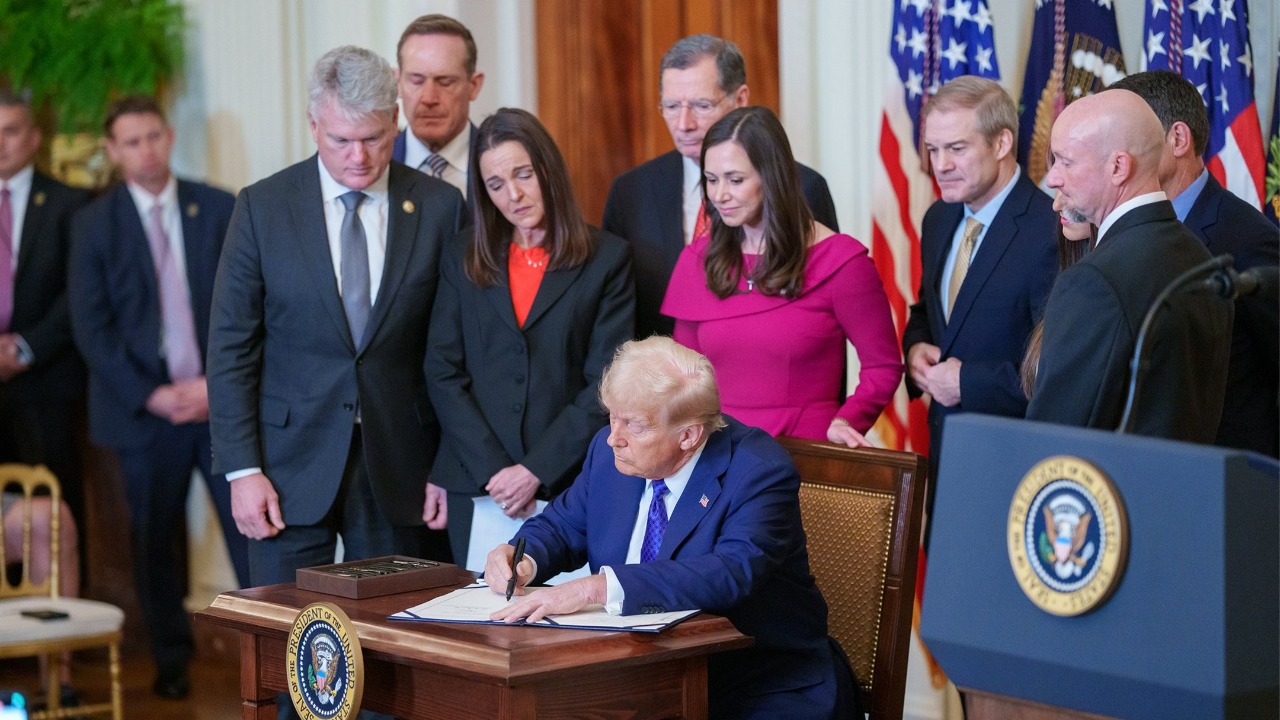
President Trump’s tax plan is set to have a profound impact on property taxes across the United States. The plan, which includes significant changes to federal tax codes, aims to simplify the tax system and reduce the overall tax burden on Americans. However, its effects on property taxes will vary from state to state, depending on local tax laws and economic conditions.
According to SmartAsset, the Trump Tax Plan could lead to both increases and decreases in property taxes, depending on the specific provisions adopted by each state. For instance, states with high property tax rates may see a reduction in federal deductions, potentially leading to higher overall tax bills for homeowners. Conversely, states with lower property tax rates might benefit from increased federal deductions, resulting in lower tax liabilities.
The plan’s impact will also depend on how states choose to align their tax codes with federal changes. Some states may opt to adjust their tax policies to maximize the benefits of the Trump Tax Plan, while others may maintain their current systems. As these changes unfold, homeowners will need to stay informed about how their state’s tax policies will affect their property taxes in the coming years.
Another aspect of President Trump’s tax plan is its potential impact on housing markets across different states. The plan’s changes to mortgage interest deductions and state and local tax (SALT) deductions could influence home-buying decisions, particularly in states with high property values and taxes. Homeowners in states like California and New York, where property taxes are significant, might experience a shift in the real estate market as the reduced SALT deductions could make homeownership less attractive. Conversely, states with lower property taxes might see an influx of buyers seeking more favorable tax conditions. This dynamic could lead to a redistribution of population and economic activity across the country, further complicating the landscape of property taxation.
Property Tax Appeals Surge in Durham County, NC

In Durham County, North Carolina, a significant number of homeowners are challenging their property tax assessments. Over 10,000 homeowners have filed appeals against their tax bills, citing discrepancies in property valuations and assessment methods. This surge in appeals highlights the growing frustration among residents regarding the accuracy and fairness of property tax assessments.
The ABC11 report indicates that many homeowners believe their properties have been overvalued, leading to inflated tax bills. This situation has prompted local officials to review the assessment process and consider potential reforms to ensure more accurate and equitable valuations. The outcome of these appeals could have significant implications for property tax policies in Durham County and beyond.
As the appeals process unfolds, homeowners in Durham County are hopeful that their concerns will be addressed and that fairer tax assessments will be implemented. This case serves as a reminder of the importance of transparency and accuracy in property tax assessments, as well as the need for homeowners to advocate for their rights when discrepancies arise.
The surge in property tax appeals in Durham County has also sparked a broader conversation about the methods used for property valuation. Many residents have raised concerns about the transparency and consistency of the assessment process, prompting calls for a more standardized approach. Local officials are considering implementing new technologies and data analytics to improve the accuracy of property assessments. These changes could serve as a model for other counties facing similar challenges, highlighting the need for modernization in property tax systems. The outcome of these appeals and potential reforms could set a precedent for how property taxes are assessed and challenged nationwide.
States with Highest and Lowest Property Tax Savings in 2026

As we look ahead to 2026, some states are poised to offer significant property tax savings to homeowners, while others may see less favorable outcomes. According to MoneyTalksNews, the states where homeowners will save the most on property taxes include those with proactive tax policies and economic growth initiatives.
States like Indiana, with its $1.1 billion savings initiative, are leading the charge in providing substantial relief to homeowners. Other states may follow suit, implementing similar measures to reduce the financial burden on property owners. Conversely, states with less favorable economic conditions or higher tax rates may struggle to offer significant savings, leaving homeowners with higher tax bills.
The disparity in property tax savings across states underscores the importance of understanding local tax policies and their impact on homeowners. As states continue to navigate the complexities of property taxation, homeowners must stay informed about potential changes and advocate for policies that promote fairness and affordability.
In addition to Indiana, states like Texas and Florida are also expected to offer significant property tax savings due to their favorable tax policies and robust economic growth. Texas, with its lack of state income tax and relatively low property taxes, continues to attract new residents and businesses, contributing to its economic expansion. Florida, known for its homestead exemption and no state income tax, remains a popular destination for both retirees and working families seeking tax relief. On the other hand, states like New Jersey and Illinois, which have some of the highest property tax rates in the nation, may struggle to provide substantial savings, potentially leading to continued outmigration as residents seek more affordable living conditions elsewhere.
Tax-Friendly States for Retirees

For retirees, choosing a tax-friendly state can significantly impact their financial well-being. According to Kiplinger, the ten most tax-friendly states for retirees in 2025 offer a combination of low property taxes, no state income tax, and favorable tax policies on retirement income.
These states provide an attractive environment for retirees looking to maximize their savings and enjoy a comfortable retirement. By offering lower tax burdens, these states enable retirees to stretch their retirement income further, enhancing their quality of life. As more retirees seek out tax-friendly states, these regions may experience increased demand for housing and services tailored to the needs of older adults.
Understanding the tax implications of retirement is crucial for planning a financially secure future. By considering factors such as property taxes, income taxes, and overall tax policies, retirees can make informed decisions about where to settle down and enjoy their golden years.
In addition to low property taxes, many of the most tax-friendly states for retirees offer other financial incentives that enhance their appeal. For example, states like Wyoming and Nevada not only have no state income tax but also provide favorable tax treatment on Social Security benefits and retirement account withdrawals. These policies can significantly reduce the tax burden for retirees, allowing them to preserve more of their savings. Furthermore, the cost of living in these states is often lower compared to states with higher taxes, providing an additional financial advantage. As retirees increasingly prioritize financial stability, these tax-friendly states are likely to see continued growth in their retiree populations, driving demand for senior services and housing.

Julian Harrow specializes in taxation, IRS rules, and compliance strategy. His work helps readers navigate complex tax codes, deadlines, and reporting requirements while identifying opportunities for efficiency and risk reduction. At The Daily Overview, Julian breaks down tax-related topics with precision and clarity, making a traditionally dense subject easier to understand.

