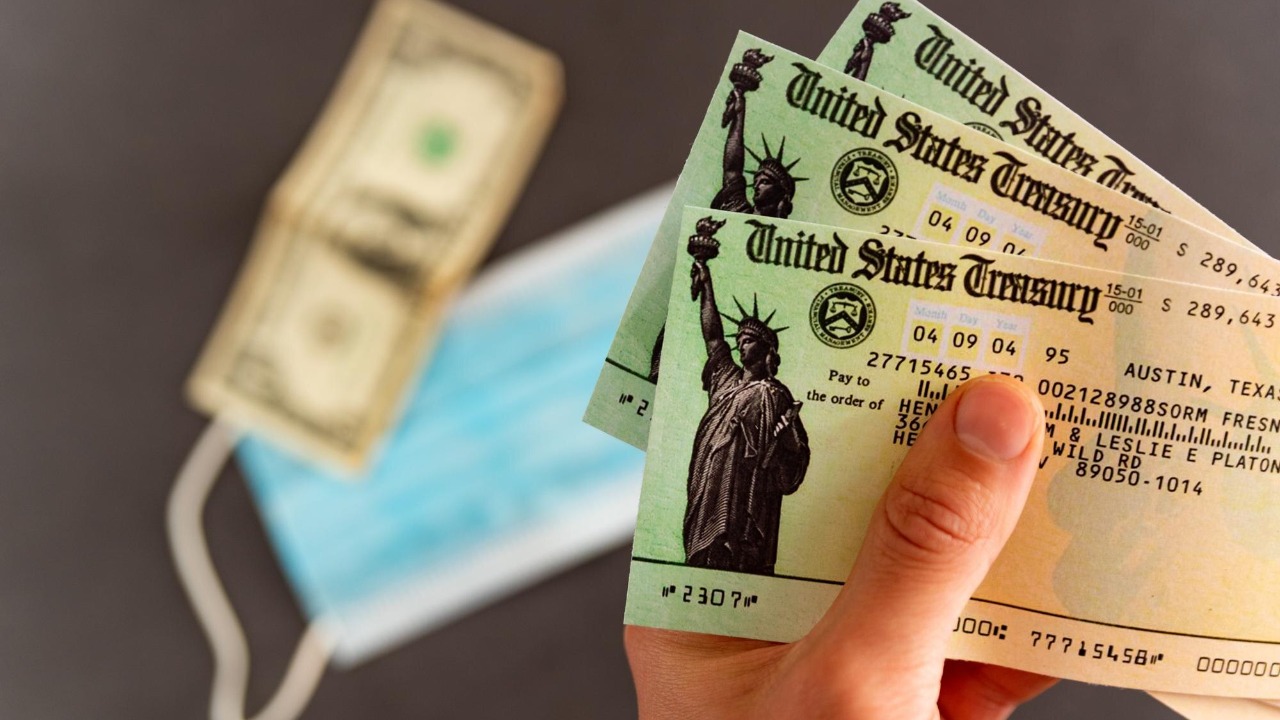
The distribution of stimulus checks during the pandemic was a lifeline for many Americans, providing crucial financial relief in a time of uncertainty. However, while these payments offered short-term benefits, they also came with long-term costs that are often overlooked. By delving into the unforeseen consequences of the economic impact payments, we can better understand the broader implications on individuals and the economy.
The Immediate Impact of Stimulus Checks

For millions of Americans, stimulus checks were essential in alleviating financial hardship. These payments allowed individuals to cover essential expenses such as housing, food, and medical bills during a period when many faced reduced income or unemployment. Reports from various agencies indicate that these funds provided a critical financial buffer, preventing severe economic distress for numerous households.
Beyond individual relief, stimulus checks played a significant role in boosting consumer spending. At a time when businesses were struggling to stay afloat, the influx of cash from these payments helped stabilize local economies. Consumers were able to continue purchasing goods and services, which in turn supported businesses through an unprecedented economic downturn. Additionally, studies have shown a notable reduction in poverty rates during the pandemic, attributing much of this success to the timely distribution of stimulus payments.
Long-Term Economic Consequences

While stimulus checks provided immediate relief, they also contributed to an increase in the national debt. The funding required to issue these payments has added significantly to the country’s financial obligations, raising concerns about the implications for future fiscal policy. Policymakers now face the challenge of balancing debt management with the need for continued economic support.
Another consequence of stimulus checks is their potential role in fueling inflation. As the economy began to recover, the combination of increased consumer demand and supply chain disruptions led to rising prices. Some economists argue that stimulus payments, while necessary, have contributed to these inflationary pressures, making the cost of living a growing concern for many Americans.
Furthermore, the labor market experienced disruptions as a result of the influx of cash. Some businesses reported difficulties in rehiring workers, attributing this to the financial cushion provided by stimulus checks. While many individuals returned to work, the temporary financial security may have lessened the urgency for some to re-enter the workforce, impacting labor market dynamics.
Administrative and Logistical Challenges
The process of distributing stimulus checks was not without its challenges. Issues such as incorrect bank details, unclaimed checks, and fraudulent claims created significant administrative hurdles. The IRS and other agencies worked tirelessly to address these problems, but inefficiencies and errors were inevitable given the scale of the undertaking. The IRS continues to offer support to those who faced issues with their payments.
Access to stimulus checks also varied among different communities, with marginalized groups often facing greater barriers. Efforts to address these disparities included outreach programs and policy adjustments, but the challenges highlighted the need for more equitable distribution mechanisms. Tax Outreach provides resources to help individuals understand their eligibility and access payments.
The experiences gained from these logistical challenges offer valuable lessons for future aid programs. Improvements could include more robust systems for verifying eligibility, streamlined processes for addressing errors, and enhanced communication with recipients. By learning from these challenges, future economic aid could be distributed more efficiently and equitably.
Behavioral and Social Impacts

The receipt of stimulus checks has led to noticeable changes in consumer spending and saving habits. While some individuals opted to save the funds for emergencies, others increased their discretionary spending, purchasing items they had previously postponed. This shift in financial behavior reflects a broader trend of reevaluating financial priorities in the wake of economic uncertainty.
Public perceptions of government support during crises have also been influenced by the distribution of stimulus checks. For many, the payments represented a tangible form of assistance, reinforcing the idea that government intervention can provide crucial support in times of need. However, for those who faced delays or were deemed ineligible, the experience may have led to frustration and skepticism about the effectiveness of such programs.
The psychological effects of receiving financial relief were significant as well. For recipients, the reduction in financial stress was palpable, allowing them to focus on other aspects of life during a challenging period. Conversely, those who encountered difficulties accessing their payments may have experienced increased anxiety, highlighting the importance of timely and efficient distribution systems.
Policy Implications and Future Considerations

Evaluating the effectiveness of stimulus checks as a tool for economic relief is essential. While the payments provided immediate support, other approaches, such as expanded unemployment benefits or targeted assistance programs, may offer more sustainable solutions. The pandemic has provided a unique opportunity to assess the relative merits of various relief strategies.
Questions about the sustainability of similar large-scale financial interventions in future crises remain. SmartAsset explores the financial implications of such measures and the potential strain on government resources. Policymakers must consider the long-term viability of repeating these interventions and explore alternative solutions to address future economic challenges.
Broader economic reforms may be necessary to tackle systemic issues exposed by the pandemic, such as income inequality and healthcare accessibility. By addressing these root causes, the need for emergency financial measures could be reduced. For example, enhancing access to affordable healthcare and implementing policies that promote wage growth could provide more lasting economic stability for individuals and families.
The experience of stimulus checks during the pandemic offers valuable insights into the complexities of economic relief. By understanding both the immediate benefits and the long-term costs, policymakers can better prepare for future crises and ensure that aid reaches those who need it most efficiently and effectively.

Cole Whitaker focuses on the fundamentals of money management, helping readers make smarter decisions around income, spending, saving, and long-term financial stability. His writing emphasizes clarity, discipline, and practical systems that work in real life. At The Daily Overview, Cole breaks down personal finance topics into straightforward guidance readers can apply immediately.

