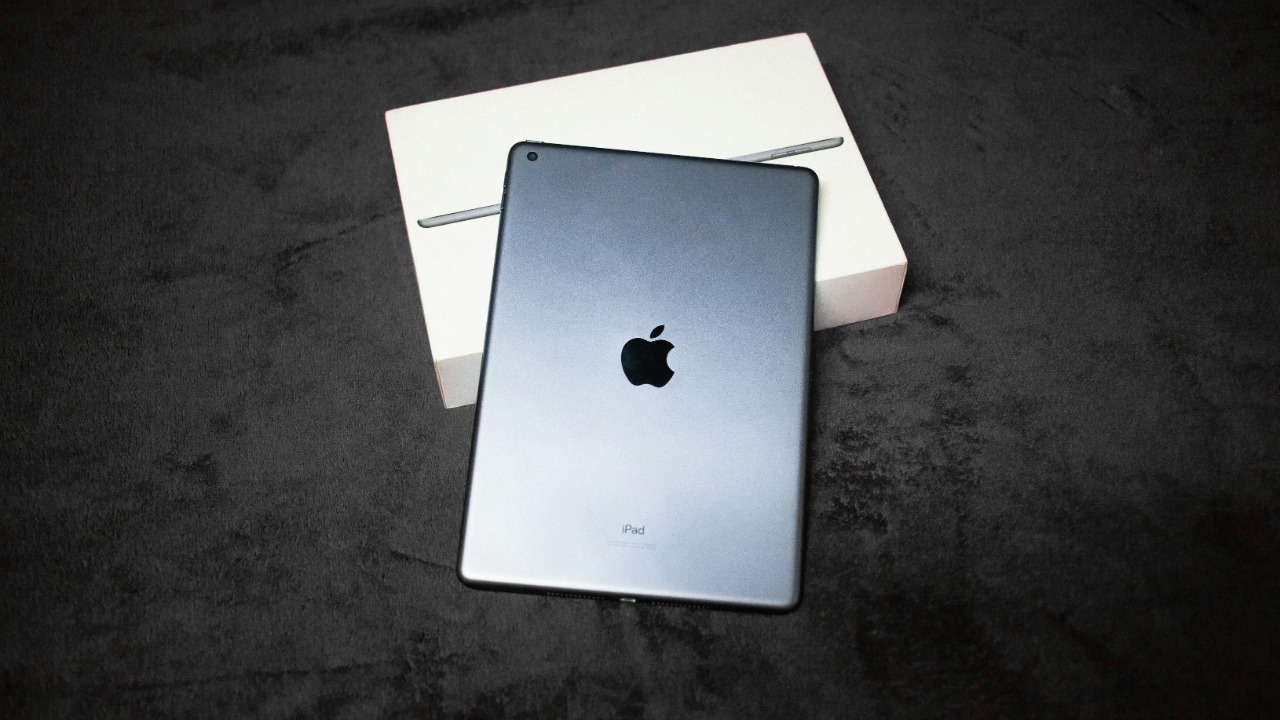
For a brief window in November, Italian electronics chain MediaWorld appeared to be running the deal of the decade: premium iPad Air tablets priced for pocket change instead of flagship money. What began as a spectacular bargain quickly turned into a consumer rights flashpoint, as the retailer blamed a technical glitch and urged buyers to hand their devices back or pay hundreds more. The saga has turned a simple pricing error into a test of how far a company can go in trying to unwind its own mistake once customers have already paid and walked away with the goods.
At the heart of the controversy is a jaw-dropping gap between the intended price and what shoppers actually paid, with some models dropping from $1,012 to a tiny fraction of their value. As MediaWorld scrambles to claw back those iPads, customers are weighing not just the legal fine print but also the ethics of keeping a windfall that arrived, quite literally, at the tap of a “buy now” button.
How a glitch turned iPad Airs into near-freebies
The chain’s nightmare began when certain iPad Air models briefly showed up online at a price that looked more like a typo than a promotion. One report describes an iPad Air that fell from $1,012 to just $17 on MediaWorld’s website in late November, a drop so extreme that shoppers rushed to lock in orders before the listing could change. That same window saw the tablets offered for about €15 to loyalty card holders, a figure that effectively turned a high-end device into an impulse buy and made the “Accidentally Sold” label feel almost inevitable once the company realized what had happened.
MediaWorld has attributed the bargain-basement pricing to a technical glitch that mis-tagged the cost of its iPad Air stock, including M3-powered 13‑inch models that would normally sit at the top of Apple’s tablet range. According to coverage of the incident, the retailer in Italy, identified as MediaWorld, rolled out the erroneous offer to its loyalty customers earlier this month, with buyers in Italy snapping up units at a low two-digit price before anyone at headquarters hit the brakes. Another account notes that Mediworld later told Wired Italia that the mispricing of its Air products stemmed from that same glitch, reinforcing the picture of a single technical failure cascading across multiple product listings.
From bargain to backlash: MediaWorld asks for the iPads back
Once the error was spotted, MediaWorld did not simply cancel pending orders and apologize. Instead, the company began contacting customers who had already received their iPad Air units, asking them either to return the devices or to pay the difference between the glitch price and the intended retail figure. One detailed account notes that the retailer sent out an email 11 days after the purchases, stating that the $17 price was “clearly incorrect” and inviting buyers to either ship the tablets back or authorize an extra charge, a move that turned an unexpected bargain into a drawn-out dispute over what a completed sale really means.
Italian coverage of the case underscores how unusual that approach is for a major chain. Reports describe how the retailer, identified as an European electronics brand, leaned on contract language and error clauses to justify its request that customers either surrender their iPad Air units or top up the payment. Another account of the same sequence, dated Nov 26, 2025, highlights how the company framed the $17 figure as an obvious mistake and tried to steer customers toward what it cast as a fair resolution, even as many buyers felt they had already completed a legitimate purchase.
Customers push back, citing law, fairness and basic trust
For shoppers who thought they had scored a once-in-a-lifetime deal, the follow-up emails landed like a bait-and-switch. Many customers argue that once MediaWorld accepted payment, confirmed the orders and delivered the iPad Air units, ownership transferred and the retailer lost the right to rewrite the price after the fact. Italian reporting notes that MediaWorld is an Italian retailer that mistakenly sold iPad Air models for just 15 euros, then waited Eleven days before sending its recall request, a delay that only strengthened customers’ sense that the deal was done and dusted.
Online, the backlash has been even sharper, with some users dissecting the situation through the lens of both law and game theory. One widely shared discussion framed the episode as a classic prisoner’s dilemma, arguing that, Ignoring the legal nuances, it is in every individual customer’s interest to keep the iPad while hoping others return theirs, even if that collective behavior undermines trust in the long run. That thread, posted on Nov 24, 2025, captures the mood of buyers who see MediaWorld’s plea as an overreach and who are now weighing not just what they can do under consumer law, but what they feel they should do in terms of basic fairness.
Legal gray zones and the fine print of “obvious errors”
Behind the emotional arguments sits a more technical question: when is a price so clearly wrong that a retailer can legally walk it back after a sale? Many online stores include clauses that allow them to cancel orders in the event of “obvious errors,” especially when a product worth hundreds of dollars suddenly appears for a tiny fraction of its usual cost. In MediaWorld’s case, the gap between $1,012 and $17, or between a standard euro price and €15, is so extreme that the company is leaning heavily on the idea that no reasonable customer could have believed the offer was intentional, even if the checkout process completed without a hitch.
Yet the way the chain handled the fallout may matter as much as the wording of its terms. One detailed analysis of the case notes that the incredible offer appeared to loyalty card holders and that the company later confirmed the glitch in a statement that effectively admitted it had Accidentally Sold the iPads for €15, Then It Asked for Them Back. Another report, dated Nov 27, 2025, points out that the iPad Air price drop from $1,012 to $17 happened in November, around the same period when Black Friday sales typically begin, which may have made the discount look more like an aggressive promotion than a glitch to some shoppers. That timing complicates the argument that the error was self-evident, especially for loyalty customers accustomed to seeing steep, time-limited deals.
What the MediaWorld saga signals for future online deals
As the dispute drags on, the MediaWorld case is already shaping how both retailers and consumers think about online pricing mistakes. For chains that rely on aggressive promotions to drive traffic, the episode is a reminder that a single misconfigured field can turn a seasonal sale into a reputational crisis, especially when the product involved is a marquee device like the Air. Some analysts have suggested that companies may respond by tightening their e-commerce systems, adding extra checks on unusually low prices and clarifying in their terms exactly what happens if a glitch slips through.
For shoppers, the lesson is more ambiguous. On one hand, the MediaWorld saga shows that even a confirmed order and a delivered device may not be the final word if a retailer later claims an obvious error. On the other, the public backlash and the scrutiny from outlets that have tracked the story since Nov 25, 2025 suggest that companies risk serious damage to trust when they try to claw back windfall deals after the fact. As Mediworld’s own explanation to Wired Italia makes clear, the retailer is now juggling not just the financial hit from a glitch, but the longer-term cost of convincing customers that the next too-good-to-be-true offer is actually safe to click.
More From TheDailyOverview
- Dave Ramsey says these two simple questions show whether you’re rich or poor
- Retired But Want To Work? Try These 18 Jobs for Seniors That Pay Weekly
- IRS raises capital gains thresholds for 2026 and what’s new
- 12 ways to make $5,000 fast that actually work

Grant Mercer covers market dynamics, business trends, and the economic forces driving growth across industries. His analysis connects macro movements with real-world implications for investors, entrepreneurs, and professionals. Through his work at The Daily Overview, Grant helps readers understand how markets function and where opportunities may emerge.

