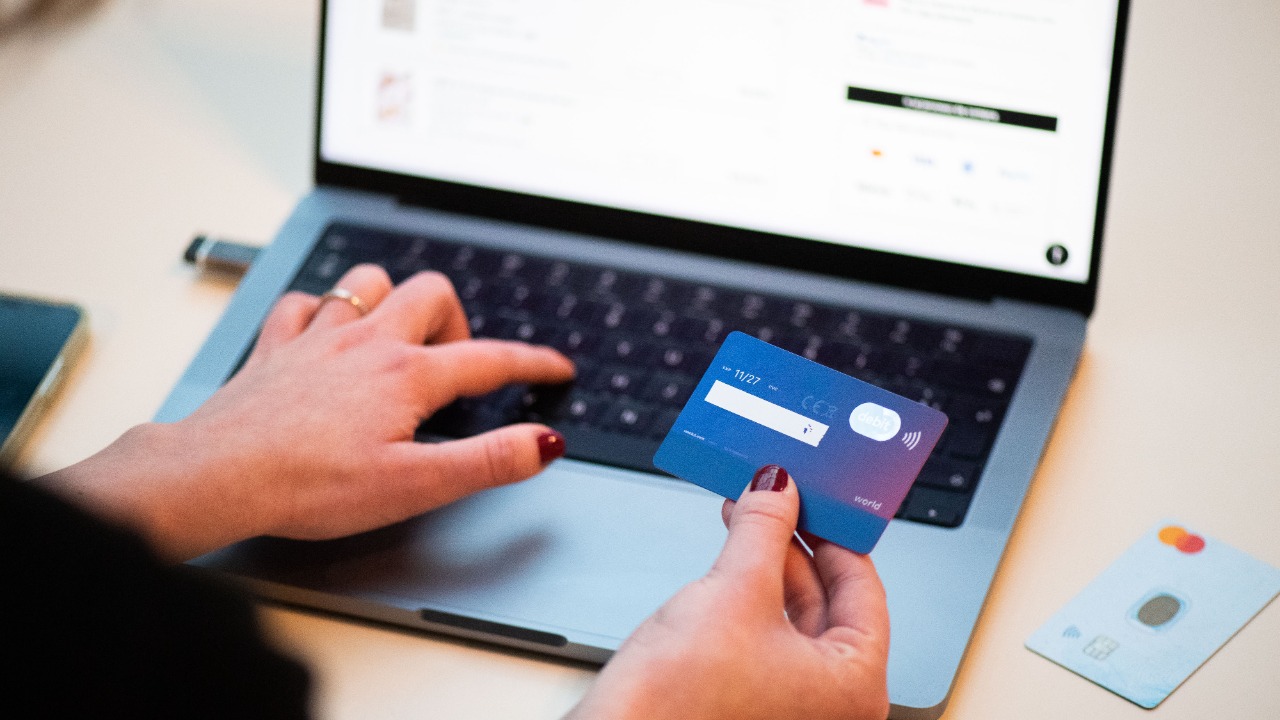
Saving a card with a favorite retailer or app can feel like a harmless shortcut, but it quietly changes the risk profile of every purchase you make afterward. Instead of exposing your card only at checkout, you are trusting that merchant to guard a highly prized target for criminals around the clock.
When I look at how often card data fuels fraud, it is clear that the convenience of one‑click payments comes with tradeoffs that are easy to underestimate. Understanding what actually happens when a business keeps your card “on file” is the first step to deciding when the shortcut is worth it and when you are better off typing those numbers in each time.
Why merchants want to store your card in the first place
From a merchant’s perspective, keeping your card on file is about smoothing out friction so you buy more, more often. Card details saved to an account make it easier to process future and recurring transactions, whether that is a streaming subscription, a grocery delivery plan, or a rideshare app that charges you automatically at the end of each trip. That convenience is not just about speed at checkout, it also reduces the odds that you will abandon a cart because your wallet is in another room.
Industry guidance notes that this kind of storage is often framed as a customer perk, but it primarily serves the business by making repeat purchases and subscriptions almost effortless. As one breakdown of storing card information explains, merchants lean on card‑on‑file setups to streamline future and recurring charges, which is why you see the same prompt on everything from food delivery apps to airline websites. A parallel overview of how merchants retain your details underscores that this is now a standard part of digital commerce, not an edge case.
What “card on file” really means for your data
When you click “save this card,” you are not just storing a number in your browser; you are authorizing a company to hold sensitive payment credentials inside its own systems or with a payment processor. In many setups, the merchant does not keep the raw number but instead relies on tokenization, where your card is represented by a surrogate value that can be used for future charges. Even then, the underlying account data still exists somewhere in the payment chain, and that is what criminals are ultimately trying to reach.
For businesses, the biggest risk attached to card‑on‑file programs is a data breach that exposes those stored credentials. One analysis of card‑on‑file security is blunt about this, describing a breach that lets criminals steal customer card data as the primary threat companies face when they keep payment details. That is why serious merchants invest in encryption, access controls, and regular security reviews, but as long as your card is stored, the risk is managed, not eliminated.
The breach problem: even big brands are targets
Consumers often assume that a familiar logo equals airtight security, yet history shows that even large, well‑resourced retailers can be compromised. When attackers break into an e‑commerce platform, they are not just after email addresses; saved payment profiles are a high‑value prize. If your card is attached to an account that is hit, you may never have typed the number during that specific visit, but the stored record can still be swept up in the theft.
Security specialists warn that even well‑known retailers can be hit by cyberattacks, and if your card is saved to your account, that data could be compromised along with everything else. Another advisory on why you should avoid storing card information on websites stresses that the convenience of a saved card is offset by the possibility that a single breach exposes every payment method you have ever entrusted to that platform. In other words, the more places you let keep your card, the more doors you create for attackers.
How stolen card data actually gets abused
Once card information is stolen, it rarely sits idle. Criminals trade and test those numbers in bulk, looking for accounts that still work and credit lines that have not yet been frozen. One common tactic is “carding,” where attackers run small, often automated test charges to see which cards are live before moving on to larger fraudulent purchases or selling the validated numbers to others.
Technical breakdowns of what carding involves note that the information stolen typically includes cardholder names, credit card numbers, expiration dates, and CVV numbers, all of which can be harvested through e‑skimming, physical skimming, or malware attacks. On the merchant side, guidance on how to protect your ecommerce site from card testing fraud explains that these attacks bombard payment gateways with small transactions, turning stolen data into confirmed, exploitable accounts. For cardholders, the result can be a string of mysterious charges that start small and escalate quickly if they go unnoticed.
Why third‑party wallets are not a magic shield
Many shoppers assume that routing payments through a digital wallet or payment platform automatically makes everything safer, including stored cards. In reality, these services change where your risk sits rather than eliminating it. When you link a credit card to a wallet and then save that wallet with multiple merchants, you are centralizing your exposure in one place that becomes extremely attractive to attackers.
Analysts who look at whether you should be using a credit card through PayPal point out that using your card to make purchases can be risky, especially online, because digital payments carry a higher risk for scams, fraud, and cyberattacks. A separate overview of storing credit card information through such services notes that since card data could be compromised if someone gains access to your account by guessing the password, you need to create unique, strong passwords for every account. In other words, a wallet can reduce how often you share your card number, but it also raises the stakes if that single login is ever breached.
The password problem: your login is now a payment key
Once your card is tied to an online profile, your password effectively becomes a key to your wallet. If someone can guess or steal that password, they may not need your physical card or even your full number to start spending in your name. That is why weak or reused passwords are such a critical, if often overlooked, part of the risk when you let merchants keep your payment details.
Security guidance is explicit that Use Strong, Unique Passwords if you create or log into an online shopping account, particularly when retailers suffer breaches and attackers try credential stuffing. Another consumer‑focused warning urges shoppers to Use strong, unique passwords for every online account, especially retail sites where you store payment information, because a single reused login can unlock multiple saved cards at once. When I weigh whether to let a site remember my card, I factor in not just the merchant’s security, but also how confident I am in the strength and uniqueness of the password guarding that account.
What merchants are supposed to do to protect stored cards
Behind the scenes, businesses that keep card data are expected to follow strict technical and procedural rules. Payment Card Industry (PCI) standards require merchants to encrypt cardholder data, limit who can access it, and regularly test their defenses. Compliance does not guarantee safety, but it sets a baseline that separates responsible operators from those treating your card number like any other piece of customer data.
One primer on PCI compliance stresses that Your responsibility as a merchant is to use the available security tools correctly and maintain secure business practices, such as using strong passwords and keeping systems patched. A separate guide for e‑commerce operators notes that Credit card number and data is one of the most crucial pieces of information used for fraud, and that generated or stolen credit card data can be abused when companies fail to control the risks of data leaks and internal frauds. When I see a merchant talk openly about PCI compliance, tokenization, and regular audits, I am more comfortable letting them store a card than I am with a bare‑bones site that never mentions security at all.
How to decide when the convenience is worth it
Not every “save card” prompt deserves the same answer. For recurring bills that are hard to miss, such as a monthly internet plan or a Netflix subscription, the convenience of automatic payments may outweigh the incremental risk, especially if the provider has a strong security track record. For one‑off purchases from unfamiliar sites, the calculus shifts, and typing your card manually or using a virtual card number can be a safer compromise.
Consumer security advice often suggests drawing a line between accounts you use constantly and those you visit rarely. One set of recommendations flatly urges shoppers to avoid storing your credit card information on websites, arguing that every additional saved card increases the fallout if a single account is compromised. Another reminder that even well‑known retailers can be hit by cyberattacks reinforces the idea that brand recognition is not a security guarantee. In practice, I reserve card‑on‑file privileges for a short list of services I rely on constantly and that demonstrate serious security hygiene.
Practical steps to limit damage if something goes wrong
Once you understand the risks, the goal is not to swear off online shopping, but to limit how much harm any single incident can cause. That starts with basic hygiene: strong, unique passwords, multi‑factor authentication, and regular reviews of which merchants currently have your card saved. Many accounts quietly accumulate old cards over years of use, and pruning that list reduces the number of places where a breach could expose you.
Security checklists aimed at shoppers emphasize that Since credit card information could be compromised if someone gains access to an account by guessing the password, you should create unique, strong passwords for every account. Holiday fraud advisories echo that guidance, urging people to Use Strong, Unique Passwords and monitor statements closely, particularly when retailers suffer breaches. When I combine those habits with alerts from my bank and a willingness to cancel and reissue a card at the first sign of trouble, storing a card with a carefully chosen merchant becomes a calculated risk rather than a blind leap.
More From TheDailyOverview
- Tennessee loses $2.6B megafactory and faces major layoffs
- Retired But Want To Work? Try These 18 Jobs for Seniors That Pay Weekly
- What to do with your pennies after the U.S. stops minting them
- Home Depot CEO warns of a troubling customer trend in stores

Silas Redman writes about the structure of modern banking, financial regulations, and the rules that govern money movement. His work examines how institutions, policies, and compliance frameworks affect individuals and businesses alike. At The Daily Overview, Silas aims to help readers better understand the systems operating behind everyday financial decisions.

