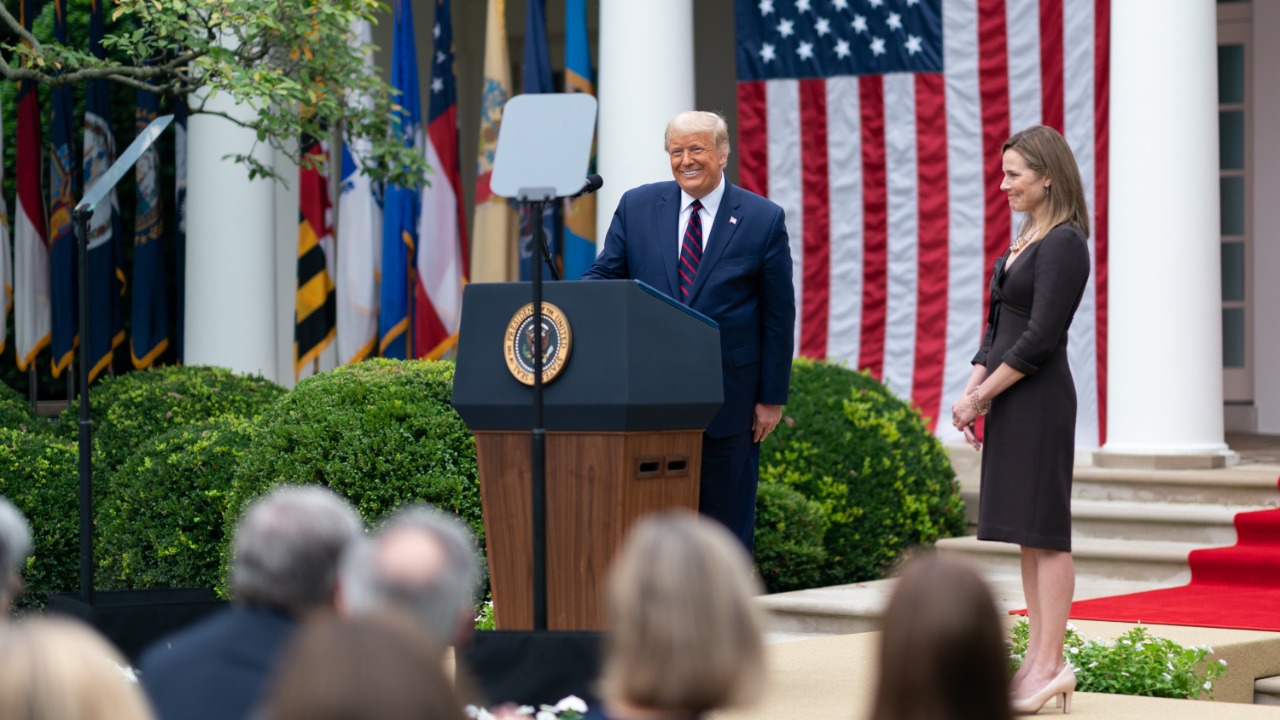
The U.S. Supreme Court is poised to make a pivotal decision on the legality of President Trump’s tariffs, a case that has been described as the “most important case ever” by observers. This legal battle, which has captured national attention, centers on a challenge by a small toymaker from Chicago against the emergency tariffs imposed by Trump. The outcome of this case could significantly impact the future of U.S. trade policy and presidential power.
Origins of the Tariff Dispute
The controversy began with President Trump’s decision to impose tariffs as a measure to address trade imbalances. These tariffs quickly escalated into a landmark legal challenge, spearheaded by a small toymaker from Chicago. This company, feeling the economic strain of the tariffs, filed a lawsuit that has now reached the Supreme Court. The case gained significant traction on November 2, 2025, when it was brought to national attention, highlighting the stakes involved for both small businesses and the broader economy.
The future of U.S. trade talks hangs in the balance as the Supreme Court prepares to review the case. Previous rulings in lower courts have set the stage for this high-stakes showdown, with the potential to redefine the scope of presidential authority in trade matters. As the case progresses, the implications for international trade negotiations and domestic economic policy are profound, with many stakeholders closely monitoring the developments.
Trump’s Response and Court Preparations
In a surprising turn of events, President Trump recently backtracked on his plans to attend the Supreme Court arguments regarding the tariffs. This decision, announced on November 3, 2025, marks a strategic shift as scrutiny over the tariffs intensifies. The change in Trump’s plans underscores the heightened tension surrounding the case and the potential ramifications of the court’s decision.
Preparations for the Supreme Court showdown have intensified, with updates on November 3, 2025, adding urgency to the proceedings. The administration is vigorously defending the emergency tariffs, arguing their necessity and scope. The confirmation of the court’s involvement on November 4, 2025, has further amplified the stakes, as the justices prepare to weigh in on the balance of power between the executive branch and judicial oversight.
Potential Impacts on Power and Trade
The Supreme Court’s ruling could significantly limit presidential power in shaping trade policy. This potential shift has been a focal point of debates, with discussions on November 3, 2025, highlighting the tension between the court’s duties and executive actions. The outcome of this case could redefine the boundaries of presidential authority, setting a precedent for future administrations.
For businesses like the Chicago toymaker, the stakes are incredibly high. The case has been labeled as “most important” due to its potential economic impact, with broader implications for industries affected by the tariffs. The decision could either alleviate or exacerbate the financial pressures faced by companies reliant on international trade.
As the legality of Trump’s tariffs is scrutinized, the potential to reshape U.S. trade policy looms large. Reports from November 2-4, 2025, highlight the uncertainties surrounding global negotiations, with the Supreme Court’s decision poised to influence the direction of future trade agreements. The outcome will not only affect domestic economic policy but also the U.S.’s position in the global market.
More From TheDailyOverview
- Dave Ramsey warns to stop 401(k) contributions
- 11 night jobs you can do from home (not exciting but steady)
- Small U.S. cities ready to boom next
- 19 things boomers should never sell no matter what

Grant Mercer covers market dynamics, business trends, and the economic forces driving growth across industries. His analysis connects macro movements with real-world implications for investors, entrepreneurs, and professionals. Through his work at The Daily Overview, Grant helps readers understand how markets function and where opportunities may emerge.

