
Suze Orman, a renowned personal finance expert, provides essential guidance on preparing for the anticipated rise in healthcare costs. With health insurance expenses projected to increase significantly in 2026, Orman emphasizes the importance of strategic financial planning to mitigate these looming costs. Her insights are particularly timely given the current economic pressures impacting personal finances, as highlighted in recent reports.
Understanding Rising Healthcare Costs

The projected increase in healthcare expenses is driven by several factors, including inflation and policy changes. These elements are expected to contribute to significant premium hikes for health insurance by 2026. According to a report from AOL, these rising costs will particularly affect middle-class households, who may find themselves more financially vulnerable over the long term. Suze Orman stresses the importance of understanding these trends to better prepare for their impact.
Specific metrics indicate that health insurance premiums are set to rise, placing additional financial strain on families. The anticipated cost escalations underscore the need for individuals to reassess their financial strategies. Orman highlights the potential long-term vulnerability of middle-class households, urging them to take proactive measures to safeguard their financial well-being in light of these developments.
Suze Orman’s Core Preparation Strategies
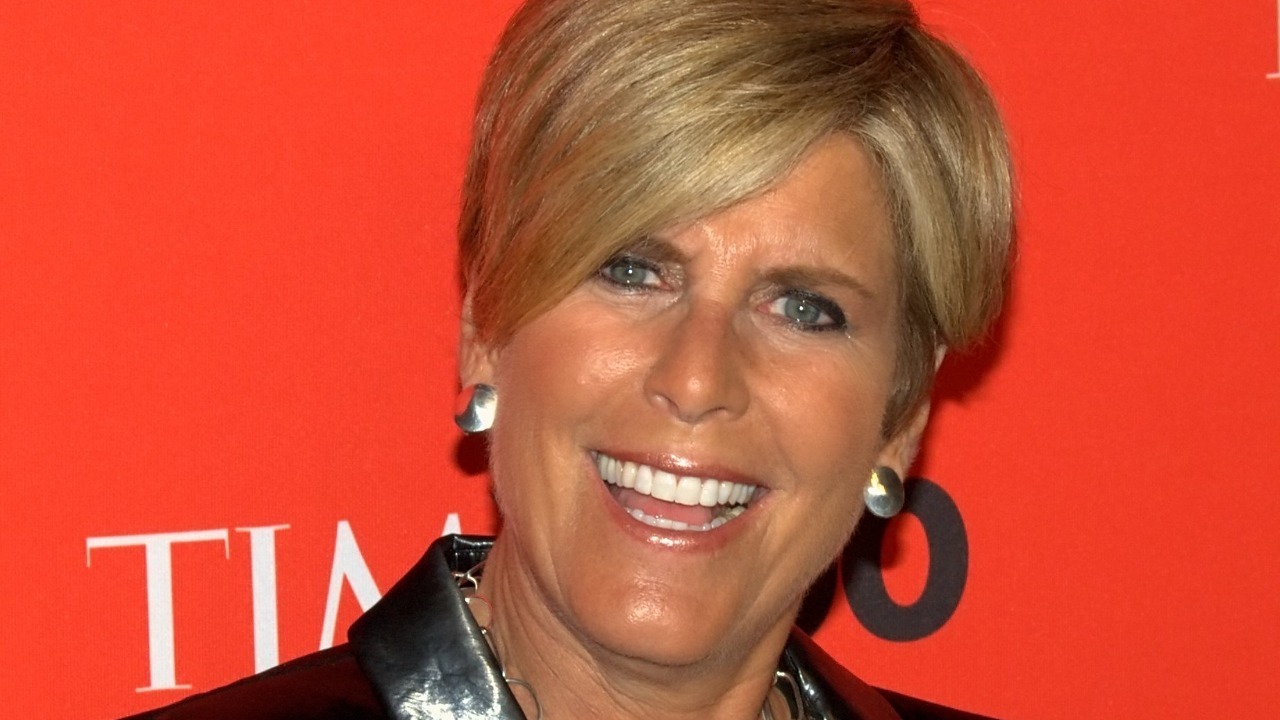
One of Suze Orman’s key recommendations is to build an emergency fund specifically for healthcare needs. This fund should provide liquidity to cover unexpected medical bills, which can arise as healthcare costs continue to climb. Orman emphasizes the importance of having readily available funds to address these unforeseen expenses, as noted in her advice shared on Yahoo Finance.
Orman also advises individuals to review and optimize their current health insurance coverage. As costs rise toward 2026, it is crucial to ensure that there are no gaps in coverage that could lead to significant out-of-pocket expenses. This involves a careful examination of existing policies and making necessary adjustments to align with future financial goals. Additionally, Orman suggests lifestyle adjustments, such as prioritizing preventive care, to help reduce overall healthcare expenses.
Practical Steps for Health Insurance in 2026
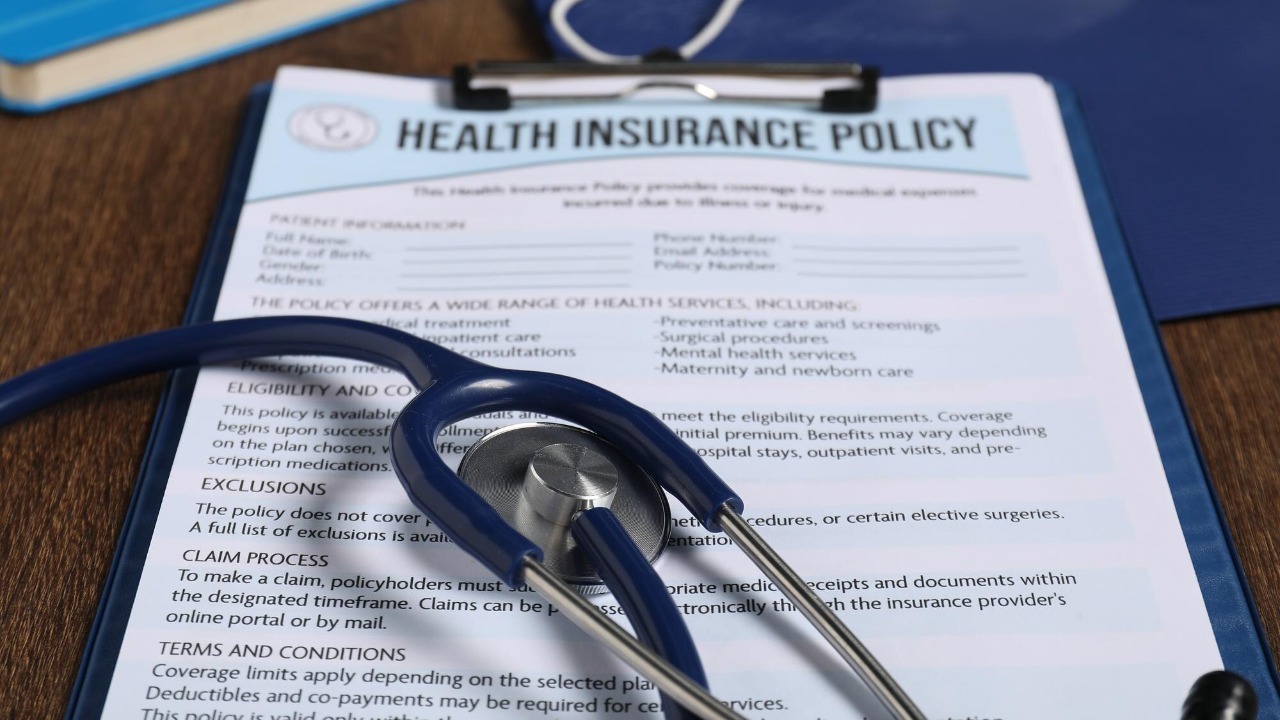
As the 2026 surge in healthcare costs approaches, shopping for affordable health insurance plans during open enrollment becomes increasingly important. According to AOL, individuals should explore options like high-deductible health plans paired with health savings accounts. These plans can offer a cost-effective way to manage healthcare expenses while maintaining necessary coverage.
Orman also highlights the importance of comparing employer-sponsored plans with individual plans to determine which option offers the best value. With the potential affordability challenges in 2026, individuals must carefully evaluate their choices to ensure they are making the most financially sound decision. This strategic approach can help mitigate the impact of rising healthcare costs on personal finances.
In addition to selecting the right insurance plan, Orman advises individuals to take advantage of wellness programs often offered by insurers. These programs can provide incentives for maintaining a healthy lifestyle, which can lead to lower premiums and out-of-pocket costs. Engaging in regular health screenings and preventive measures can also help catch potential health issues early, reducing the need for more expensive treatments down the line. This proactive approach not only supports better health outcomes but also contributes to financial savings.
Furthermore, Orman suggests that individuals stay informed about policy changes that could affect their insurance options. Keeping abreast of legislative developments and understanding how they impact healthcare coverage can empower individuals to make informed decisions. This knowledge is crucial for navigating the complexities of the healthcare system and ensuring that one’s insurance plan remains both comprehensive and cost-effective in the face of rising expenses.
Long-Term Financial Safeguards

Beyond immediate concerns about 2026 insurance hikes, Suze Orman advocates for increasing retirement savings to account for future healthcare demands. By bolstering retirement funds, individuals can better prepare for the long-term financial implications of healthcare expenses. This strategy is crucial for maintaining financial stability as costs continue to rise, as detailed in Orman’s insights shared on Yahoo Finance.
Additionally, Orman recommends focusing on debt reduction to free up funds for medical expenses. By reducing debt, individuals can allocate more resources toward healthcare needs, ensuring they are better equipped to handle the financial challenges posed by escalating costs. This proactive approach to managing personal finances is essential for navigating the evolving landscape of healthcare expenses.
Orman also emphasizes the importance of diversifying investment portfolios to include assets that can hedge against inflation, which is a significant driver of rising healthcare costs. By investing in inflation-protected securities or other stable assets, individuals can protect their purchasing power over time. This strategy helps ensure that their savings will be sufficient to cover future healthcare expenses, even as costs increase.
Moreover, Orman advises individuals to consider long-term care insurance as part of their financial planning. This type of insurance can provide coverage for services that are not typically included in standard health insurance, such as assistance with daily living activities. By securing long-term care insurance, individuals can safeguard their assets and reduce the financial burden on their families should they require extended care in the future. This foresight is crucial for maintaining financial security and peace of mind as healthcare needs evolve.

Nathaniel Cross focuses on retirement planning, employer benefits, and long-term income security. His writing covers pensions, social programs, investment vehicles, and strategies designed to protect financial independence later in life. At The Daily Overview, Nathaniel provides practical insight to help readers plan with confidence and foresight.

