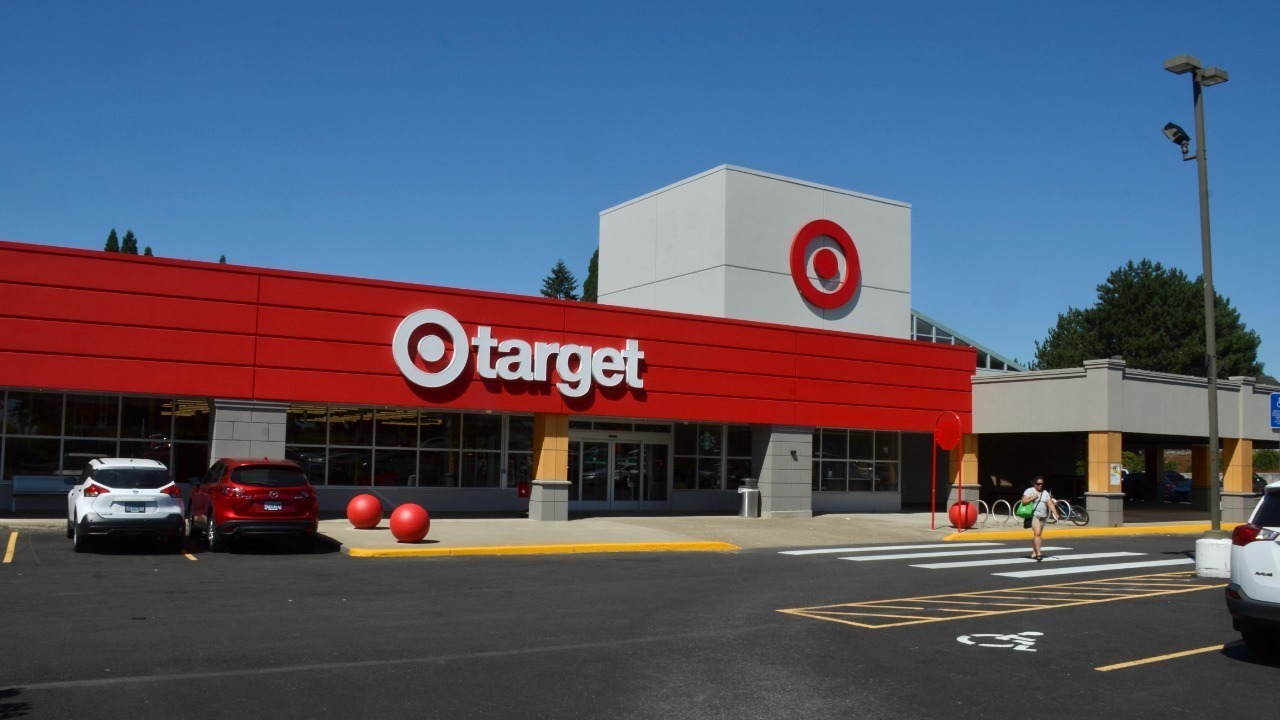
Target Corporation eliminated 500 corporate and field positions on February 9, 2026, just eight days after a CEO transition that capped months of boycott pressure and sliding sales. The cuts, split between district management and supply chain operations, arrived as new chief executive Michael Fiddelke began reshaping the retailer’s leadership structure. Together, the layoffs, the executive shakeup, and the ongoing consumer backlash over diversity policies form a converging set of pressures that few major retailers have faced simultaneously.
Fiddelke’s First Move: 500 Roles Eliminated
The layoffs announced on February 9 removed roughly 100 district roles and 400 supply chain positions, according to reporting that detailed the internal breakdown of the cuts. Target framed the reductions as a way to redirect spending toward its physical stores, a signal that the company sees its roughly 1,900 locations as the primary vehicle for recovery. The decision to cut supply chain staff in particular carries risk: thinning logistics headcount ahead of seasonal inventory cycles could strain fulfillment at a time when the retailer can least afford empty shelves or delayed shipments.
The 500 job cuts represent a fraction of Target’s global corporate workforce, but the timing amplifies their significance. These were not routine efficiency trims. They landed in the first full week of a new CEO’s tenure, alongside broader executive departures and reporting-line changes that reshaped the company’s senior ranks. The speed suggests Fiddelke entered the role with a restructuring plan already drafted, not a listening tour, and that investors were being offered a visible signal of cost discipline early in his tenure.
Cornell Steps Down, Fiddelke Steps In
Brian C. Cornell, who had led Target since 2014, stepped down as CEO effective February 1, 2026, according to a Target SEC filing that also confirmed Cornell would continue serving as Executive Chair. The filing detailed compensation terms tied to Fiddelke’s appointment, establishing the financial framework for the leadership handoff and underscoring that this was a planned transition rather than a sudden ouster. Cornell’s shift to a board-level role rather than a full departure means he retains influence over strategy even as Fiddelke takes operational control, an arrangement that can either stabilize transitions or create competing power centers if visions diverge.
Fiddelke, who previously served as chief financial officer, inherits a company whose recent trajectory has been defined more by controversy than by growth. His background in finance rather than merchandising or marketing signals that Target’s board prioritized cost discipline and capital allocation over brand reinvention at this stage of the turnaround. The leadership restructuring under Fiddelke extended well beyond the CEO title, with executive changes, new reporting lines, and retirements reshaping the leadership team in ways that concentrated decision-making authority and created a leaner inner circle around the new chief executive.
Boycott Pressure and the DEI Backlash
The layoffs and CEO change did not happen in a vacuum. Target had been contending with a sustained consumer boycott over its diversity, equity, and inclusion policies, a campaign that gained organized momentum when Rev. Jamal Bryant called for a full Target boycott. Bryant, a prominent pastor, positioned the effort as a values-driven stand, and the campaign drew participation from communities that had previously been loyal Target shoppers. The boycott drew attention not just from consumers but from investors watching whether activist pressure could measurably dent a major retailer’s revenue and brand reputation.
What makes Target’s situation distinct from other corporate boycotts is the collision of pressures from opposing directions. The company initially faced backlash from conservative consumers over Pride-themed merchandise in 2023, which led Target to scale back some displays. That retreat then triggered a counter-boycott from progressive shoppers and civil rights leaders like Bryant, who viewed the pullback as a capitulation. The result was a retailer caught between two mobilized consumer blocs, losing foot traffic from both sides of a cultural divide that most competitors managed to avoid. This double-edged backlash complicated any simple course correction, since moves to placate one group risked inflaming the other.
Weak Sales Link the Crisis Together
The boycott did not operate in isolation from Target’s financial performance. The company faced weak sales that predated the most intense boycott activity but were compounded by it, according to reporting that tracked the chronology of events. Cornell’s departure, initially announced in 2025, came after quarters of disappointing results that eroded confidence among shareholders and analysts and raised questions about whether Target’s merchandising mix and pricing strategy were still resonating with a more cautious consumer. In that context, the leadership transition and subsequent layoffs look less like isolated decisions and more like chapters in a broader restructuring story.
At the same time, retail spending patterns were shifting across the sector, with consumers trading down to discounters, stretching paychecks, and pulling back on discretionary purchases such as home décor and apparel. Target, which positions itself as an affordable-but-aspirational brand, was particularly exposed to that behavioral shift, sitting between the rock-bottom prices of dollar stores and the premium cachet of higher-end retailers. The boycott accelerated a decline that was already underway, turning a manageable sales dip into a crisis that demanded leadership change and structural cost cuts. Separating boycott impact from macroeconomic headwinds is difficult without granular sales data that Target has not publicly disclosed at the store or category level, leaving outside observers to piece together the narrative from earnings commentary and traffic trends.
Supply Chain Gamble and What Comes Next
The decision to concentrate 400 of the 500 job cuts in supply chain roles deserves scrutiny beyond the headline number. Retail supply chains operate on tight tolerances, and removing experienced staff from distribution and logistics networks can create bottlenecks that take months to surface. If Target’s spring and back-to-school inventory cycles encounter disruptions, the near-term savings from payroll reductions could be outweighed by lost sales and customer frustration. Conversely, if automation investments and process changes allow the company to maintain service levels with fewer people, the cuts could signal a longer-term shift toward leaner operations that competitors may feel pressure to match.
For workers and communities, the layoffs are another reminder of how quickly white-collar and field management roles can be restructured when corporate priorities change. Professionals affected by the cuts will be entering a job market where large employers are simultaneously trimming headcount, though sectors such as logistics, technology-enabled retail, and e-commerce still advertise openings on platforms like specialist job boards. For Target, the path forward will hinge on whether Fiddelke can stabilize sales, navigate the polarized politics around DEI, and prove that aggressive cost-cutting will not undermine the in-store experience that once differentiated the brand. The coming year will test whether this combination of leadership change, structural layoffs, and cultural controversy marks the bottom of Target’s current cycle, or merely another step in a longer, more uncertain reset.
More From The Daily Overview
*This article was researched with the help of AI, with human editors creating the final content.

Grant Mercer covers market dynamics, business trends, and the economic forces driving growth across industries. His analysis connects macro movements with real-world implications for investors, entrepreneurs, and professionals. Through his work at The Daily Overview, Grant helps readers understand how markets function and where opportunities may emerge.